
The full-time Finance MBA program at Fudan International School of Finance offered C.A.R.E. in China: Culture, Arts, Responsibility and Ethics, a specially designed course for international students aiming to deepen their understanding of Chinese culture through immersive learning. Moving beyond textbooks, the course engaged students in workshops and field trips that covered tea culture, city walk, Chinese opera, and culinary arts—to inspire cultural appreciation and cross-cultural competence essential for future global leaders in finance.
The students’ reflections of the course speak powerfully to the impact of this hands-on approach. Here are some of their voices.
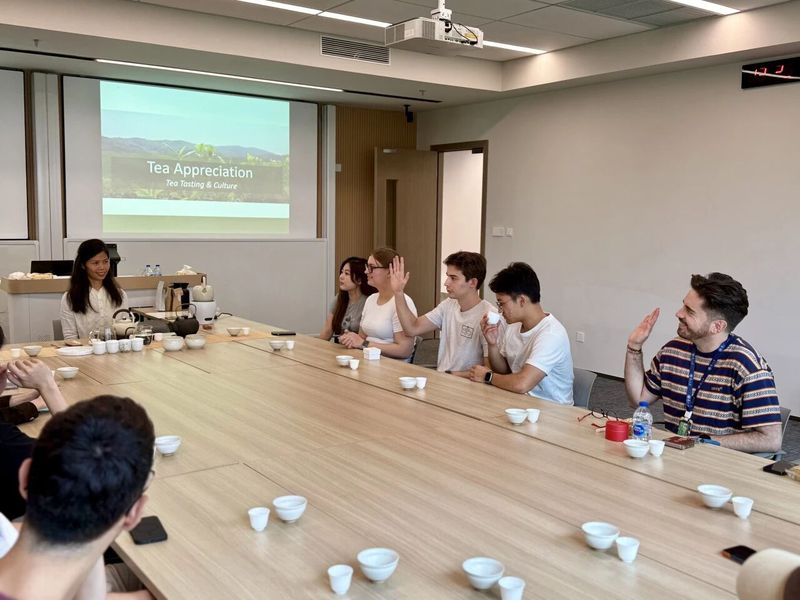
Tea Appreciation
1. Pablo Carpanetti Anaiz (Chile)

“I have heard my whole life about Chinese tea and tea ceremonies, but to be honest I never had the opportunity to experience being part of a tea ceremony and being served not just as a student, but as a guest. Learning about the different tea leaf, their different flavors and textures, the water temperature we should use and to breath with every sip, was truly a wonderful experience to me.”
2. Ng Yi Hong (Malaysia)

“I learned that tea is not just a drink in China, but a symbol of respect, patience, and harmony. The process of preparing and serving tea felt calm and meaningful. This experience helped me understand how cultural practices can also reflect life values.”
City Walk Along Shanghai’s Riverfront
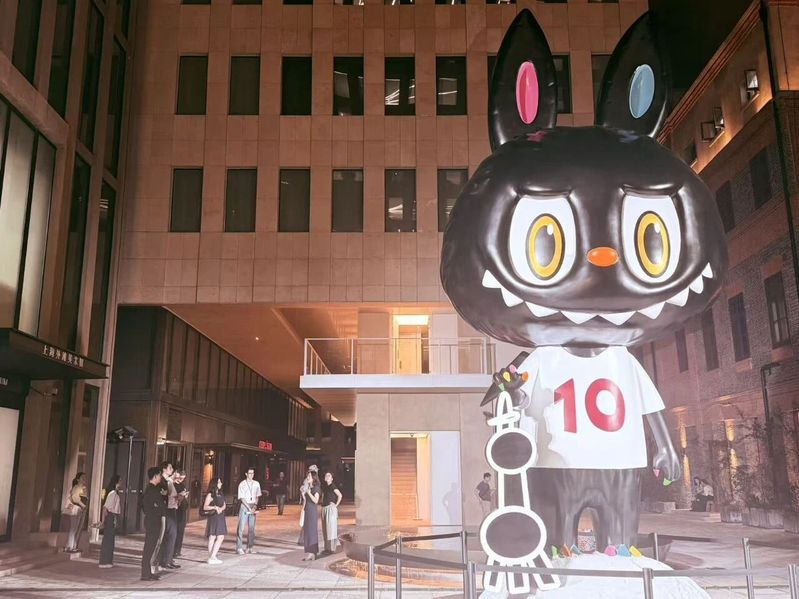
1. Stevita Karli (Indonesia)
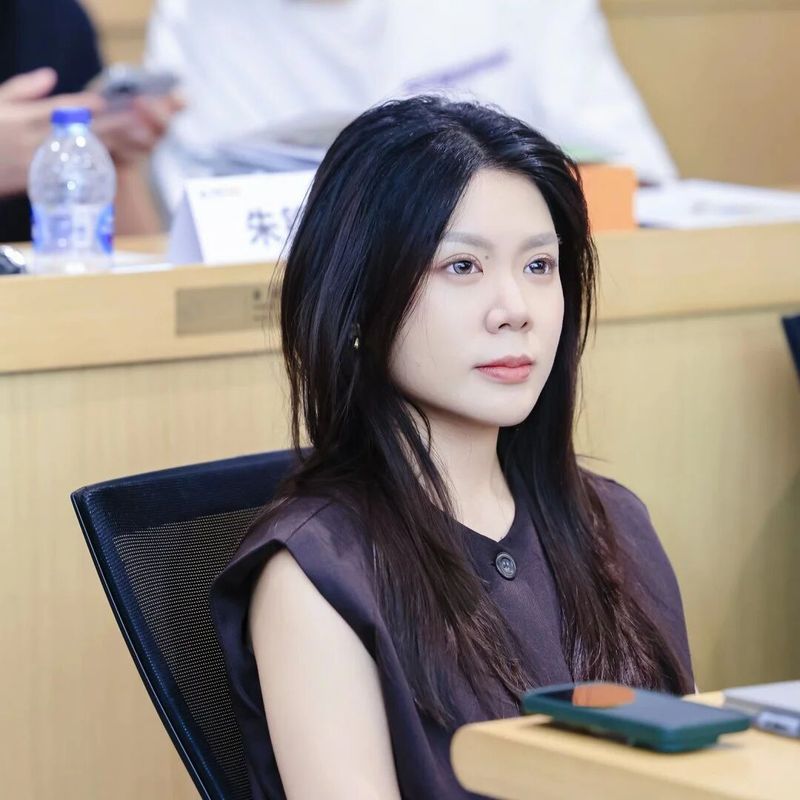
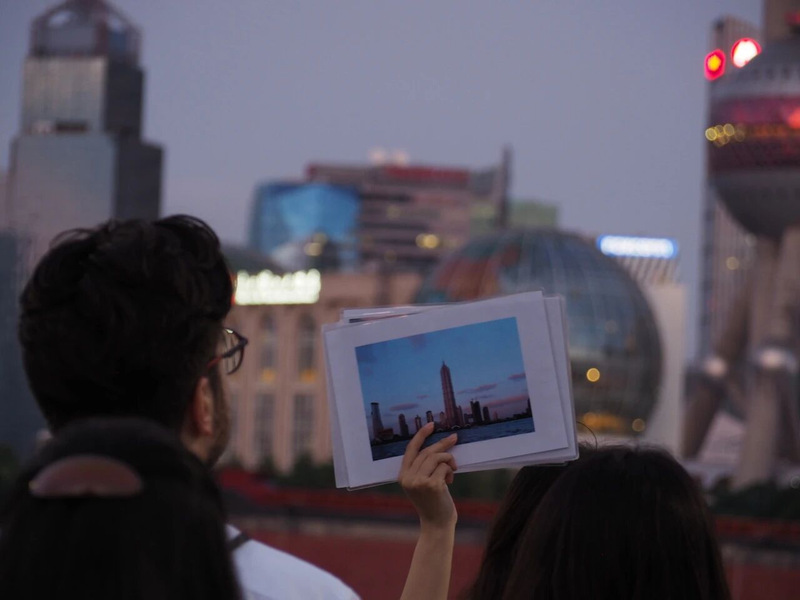
“As we walked from the Bund to the Rock Bund, we didn’t just look at buildings; we deciphered the story of Shanghai’s ambition, its colonial history, and its future hopes represented in stone, glass, and steel. This way of learning, where the city itself served as our textbook, made the ideas of urban change and identity formation clear and personal. It showed how global financial centers also act as cultural layers, continually being rewritten.”
2. Virada Wanichprasertporn (Thailand)
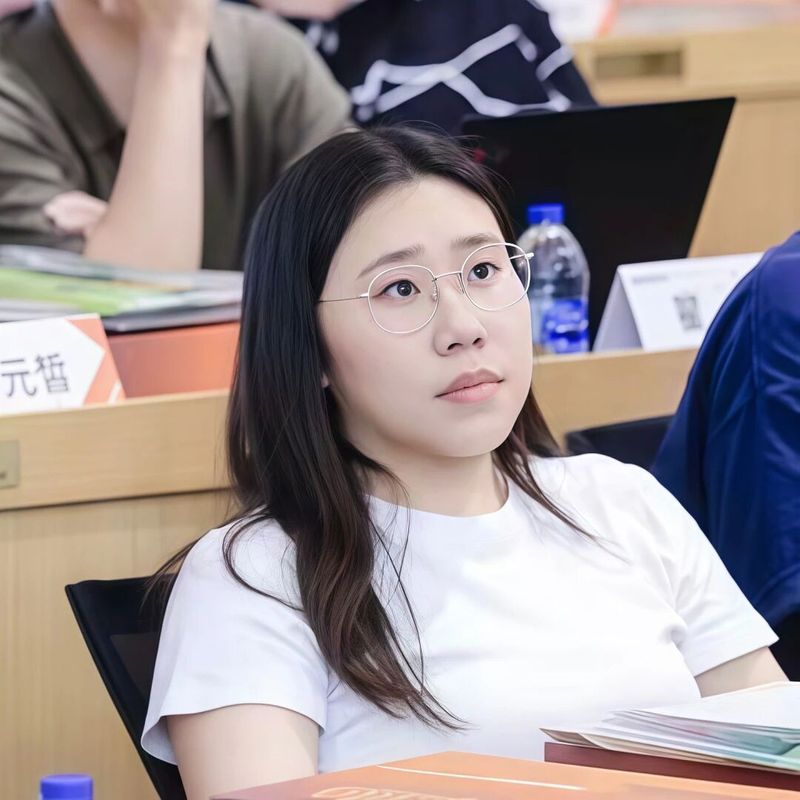
“Walking through the city center and observing the architecture gave me a better understanding of how the city has developed over time. This helped me understand how history and modern life coexist in the same urban space.”
Chinese Opera Workshop
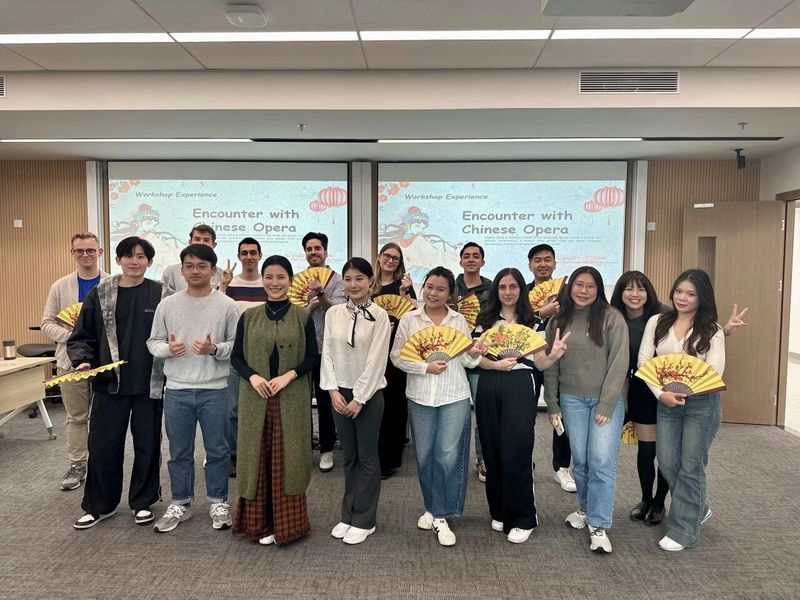
Verginia Khalafyan Cramer (Netherlands)
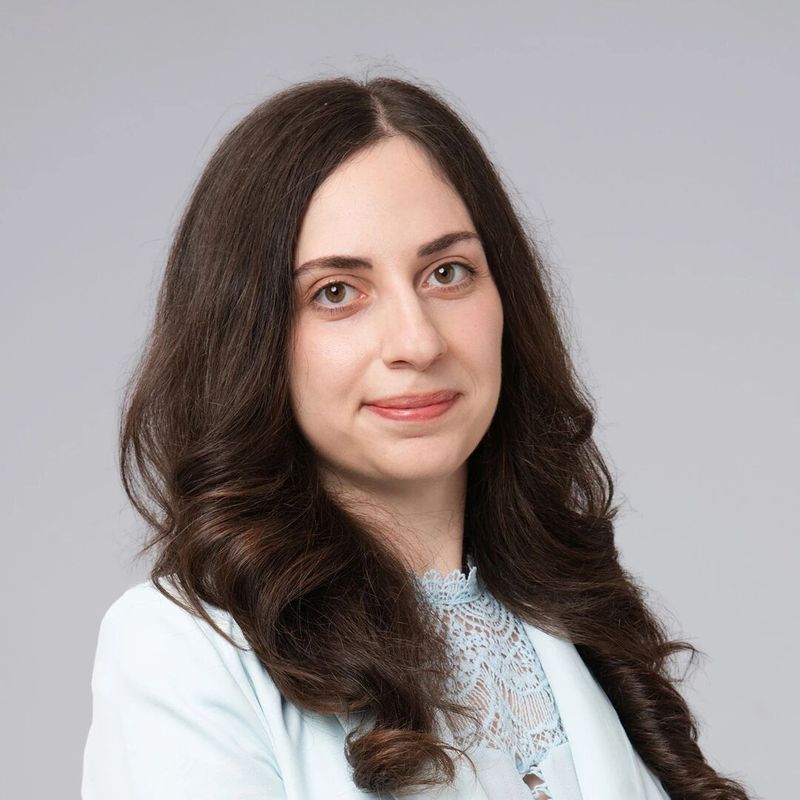
“Before this class, I knew very little about Beijing opera and honestly found it difficult to understand. However, after learning about the meanings behind facial makeup, costumes, gestures, and vocal styles, I started to appreciate how expressive and symbolic this art form is. Trying out some basic movements myself made me realize how challenging it is and how much training performers must go through. This class did not only help me understand Beijing opera better, but it also motivated me to experience it in real life. After the class, I became interested in watching a full Beijing opera performance. This made me feel excited because learning in class inspired me to continue exploring Chinese culture on my own.”
Chinese Cooking Class
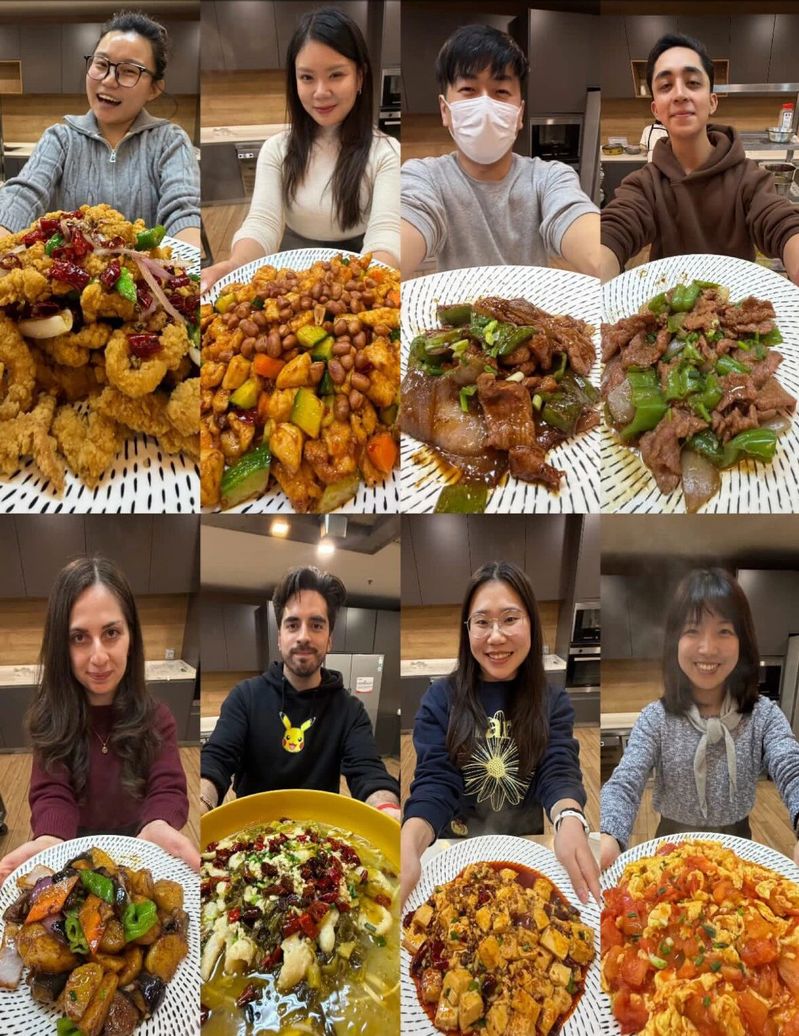
1. Miyeli Lee (South Korea)
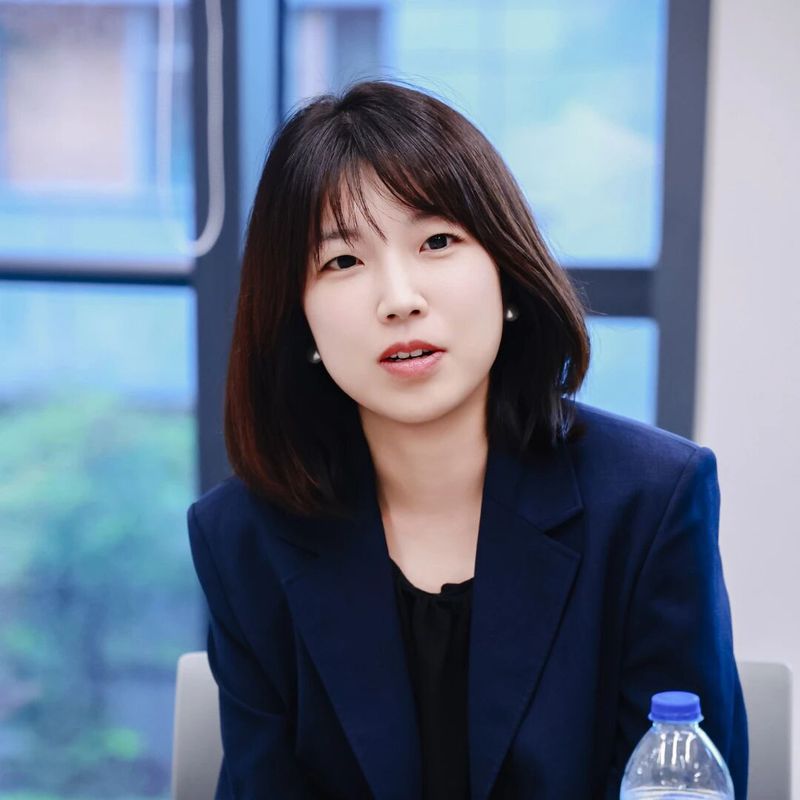
“Beyond the cooking itself, what stood out most was the atmosphere of collaboration and enjoyment. Sharing food that we had prepared together created a sense of connection and warmth. This class demonstrated how cuisine can serve as a powerful bridge between cultures, allowing people to communicate and bond without relying solely on language.”
2. Stevita Karli (Indonesia)
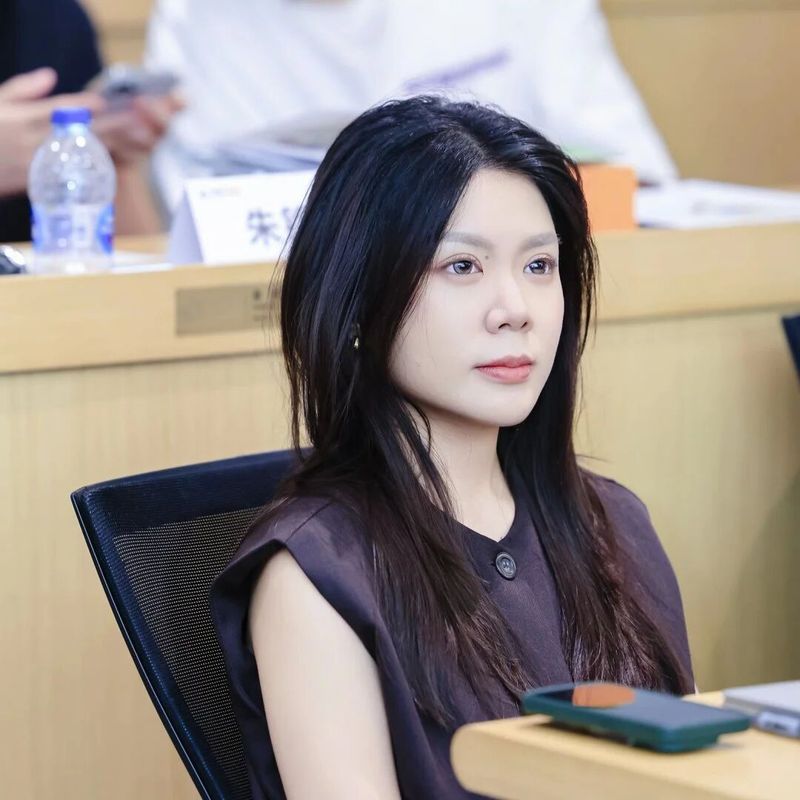
“Cooking and then enjoying the meal with my classmates turned cultural appreciation into a warm and memorable experience. It showed that the heart of a culture often beats in its kitchens.”
3. Ng Yi Hong (Malaysia)

“Cooking together with classmates strengthened social interaction and cultural exchange. It reminded me of how food connects people and brings cultures together.”
4. Verginia Khalafyan Cramer (Netherlands)
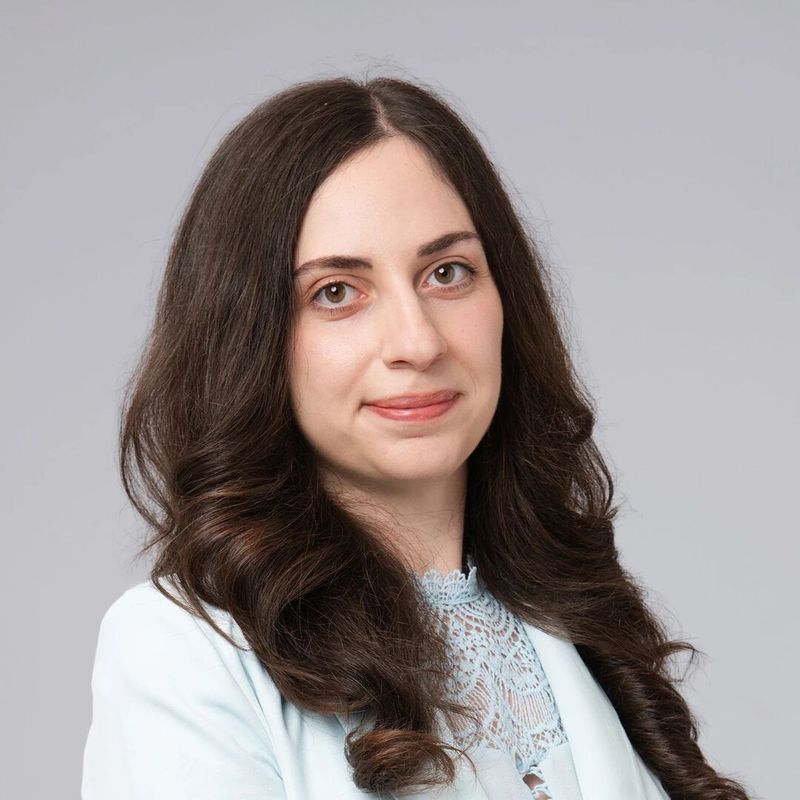
“After the class, I attempted to cook 地三鲜 by myself, using what I had learned. Being able to recreate the dish at home made me feel proud and showed me that cultural learning can continue beyond the classroom.”
On Immersive Cultural Learning
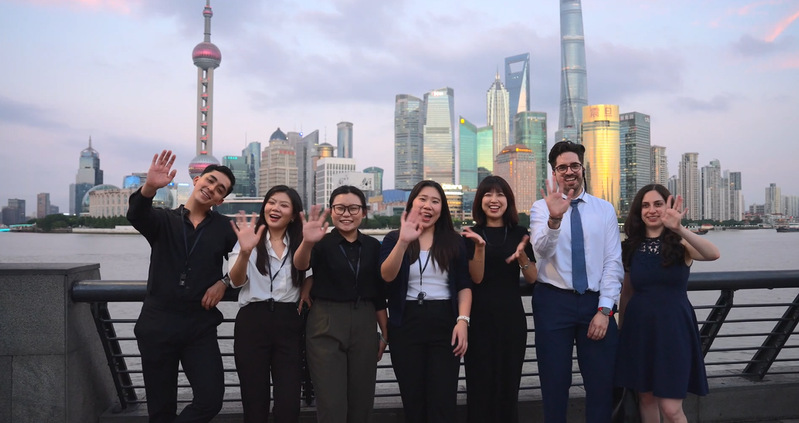
The course successfully turned cultural concepts into lived experiences, allowing students to touch, taste, perform, and reflect.
1. Pablo Carpanetti Anaiz, Chile
“I’ve been living in China for 1 year already, and I have experienced many cultural experiences, as well as cultural shocks. But I must say that I really enjoyed the activities organized by C.A.R.E. in CN, because it wasn’t just something you looked from behind or from far away, they were experiences that allowed us to get totally immerse into the Chinese culture. By being able to experience it in real life, dancing, touching, tasting, it is completely different and will always remain in our minds.”
2. Stevita Karli, Indonesia
“As a student in the FISF FMBA FT+ program, I joined this course expecting a structured, academic overview of Chinese cultural history. Instead, I gained a far more engaging and impactful understanding of contemporary China through its daily practices, artistic expressions, and urban landscapes.”
3. Miyeli Lee, South Korea
“These experiences challenged my preconceived notions and encouraged me to look more carefully at the cultural meanings embedded in ordinary places and activities. As a result, my view of China has become more nuanced, empathetic, and reflective. I now approach cultural differences with greater curiosity and respect, recognizing that true understanding often begins with participation and openness.”
4. Ng Yi Hong, Malaysia
“The CARE CN classes have changed the way I view Chinese culture and my role as an international student. I have learned to be more open-minded, observant, and respectful toward cultural differences. These experiences taught me that culture is best understood through direct involvement rather than assumptions.”
From Cultural Insight to Professional Relevance
1. Dennis Alexander Arias Solis, Ecuador
“Understanding better the Chinese culture has become an important resource to adapt and succeed on a business / professional and social context. This class gave me something to talk about on business meetings, made me remarkable in social contexts comparing to other foreigners.”
2. Stevita Karli, Indonesia
“It has equipped me with not just knowledge but with a more empathetic and comprehensive way to view China's role in the global financial scene, making me a more thoughtful and responsible future leader.”
3. Ng Yi Hong, Malaysia
“I believe what I have learned from the CARE CN program will stay with me beyond my studies in China and help me interact with people from different backgrounds with greater understanding and confidence.”
Through C.A.R.E. in China, Fudan International School of Finance continues to foster not only financial expertise but also culturally aware, responsible, and globally-minded graduates. The course stands as a testament to the school’s commitment to holistic education—where finance meets culture, and learning extends far beyond the classroom.
(END)
Compiled and edited | Cynthia LI
Featuring | International students from FISF FMBA FT+, Class of 2025