
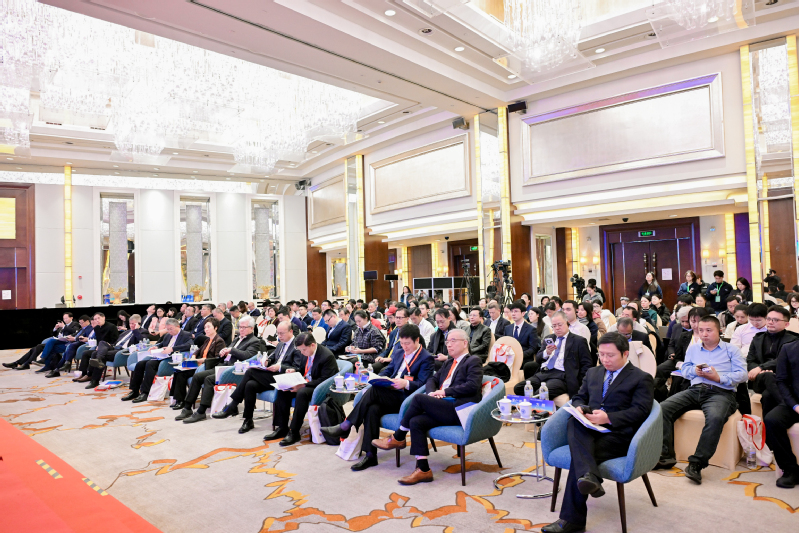
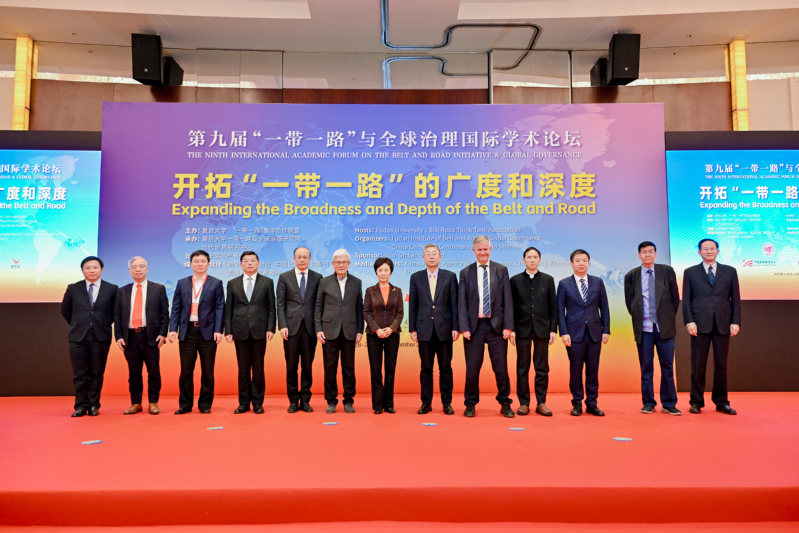
On November 28, the 9th International Academic Forum on the Belt and Road and Global Governance commenced at Fudan University, centering on the theme “Expanding the Broadness and Depth of the Belt and Road”.
By convening experts from international think tanks and seasoned entrepreneurs with practical experience, the Forum shares China’s development insights, deepens civilizational dialogue, and fosters common development. It also acts as a crucial window for the international community to gain a comprehensive understanding of China.
The Forum was co-hosted by Fudan University and the Silk Road Think Tank Association of International Department of Central Committee of the CPC, and organized by the Fudan Institute of Belt and Road & Global Governance and the China Center for Contemporary World Studies.
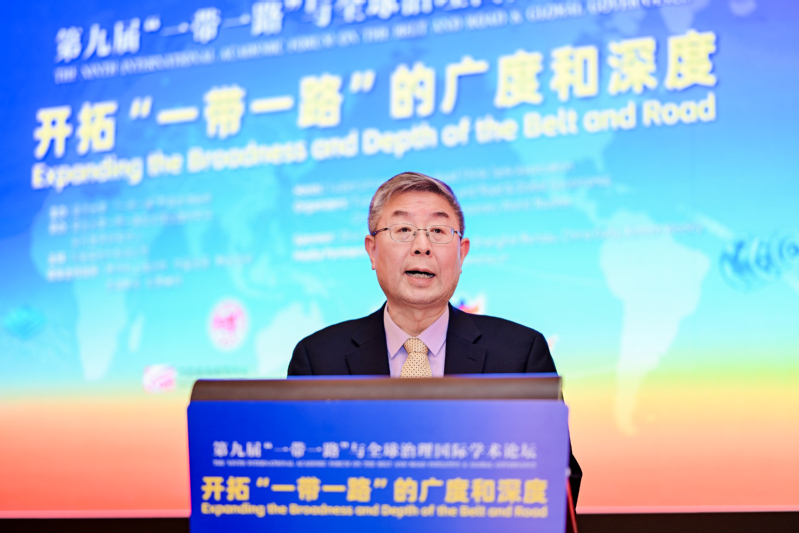
MA Hui, Vice Minister of the International Department of the CPC Central Committee, noted that over the past decade, the Belt and Road Initiative has evolved from a Chinese proposal into global practice, transitioning from a broad vision to detailed implementation. The 15th Five-Year Plan emphasizes China’s commitment to expanding high-standard openness and promoting high-quality BRI cooperation. To address complex international challenges, he proposed four key measures: deepening strategic alignment, strengthening innovation-driven development, improving connectivity and industrial integration, and advancing people-centered projects.
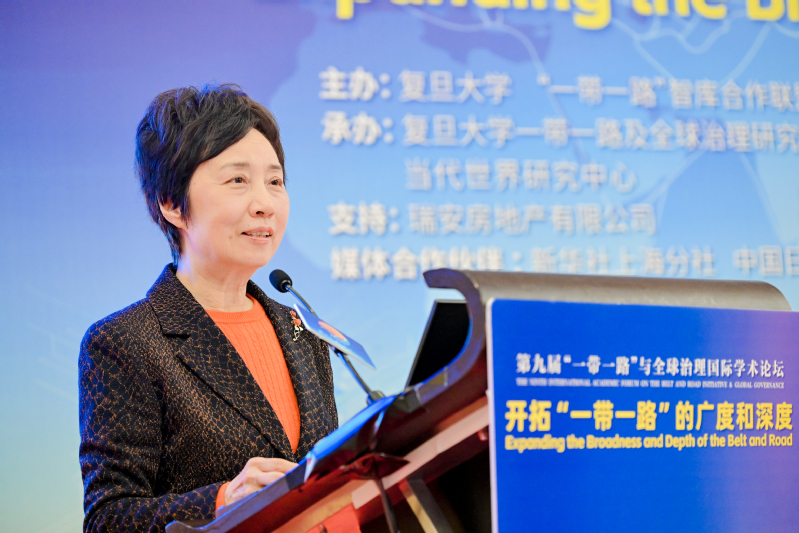
JIAO Yang, former Chairperson of the Fudan University Council and Vice President of the China Education Association for International Exchange, and Dean of the Fudan Institute of Belt and Road & Global Governance, stated that the Belt and Road Initiative, since 2013, has achieved significant infrastructure connectivity and rules alignment. Now entering its second decade, the focus is on high-quality development in industry, technology, and education, alongside advancing the Digital and Green Silk Roads. She emphasized aligning the Initiative’s expansion with China’s new quality productive forces, higher-standard opening-up, and global governance reform, ultimately contributing to a community with a shared future for mankind.
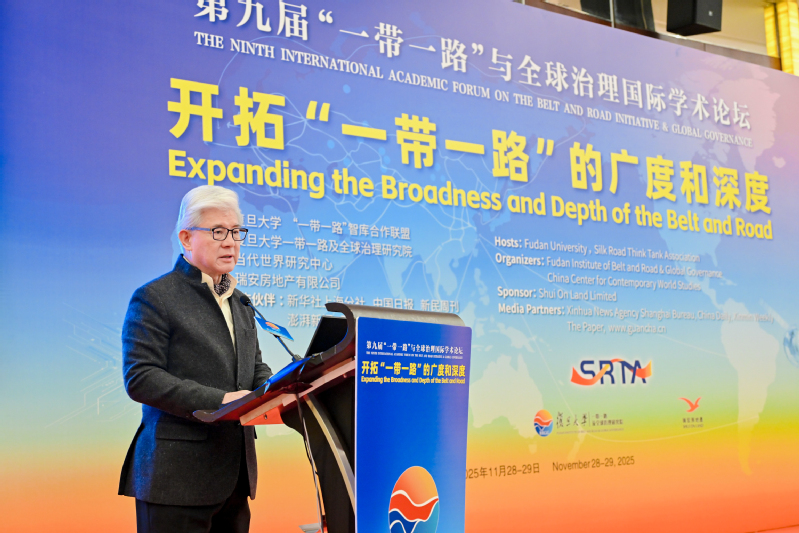
Vincent Hong Sui LO, Chairman of Shui On Group, stated that Belt and Road cooperation has evolved from infrastructure export to a paradigm where Chinese enterprises connect global resources. He proposed advancing RMB internationalization through the BRI, suggesting that Shanghai and Hong Kong could jointly develop a dual-center system that combines cross-border circulation of sovereign currencies with the liberalization of offshore financial markets. The Belt and Road Initiative now integrates trade, investment, and industrial collaboration, with private enterprises leading overseas expansion to drive localized growth. He highlighted the need to strengthenShanghai’s professional services with Hong Kong’s expertise and cultivate global talent through universities.
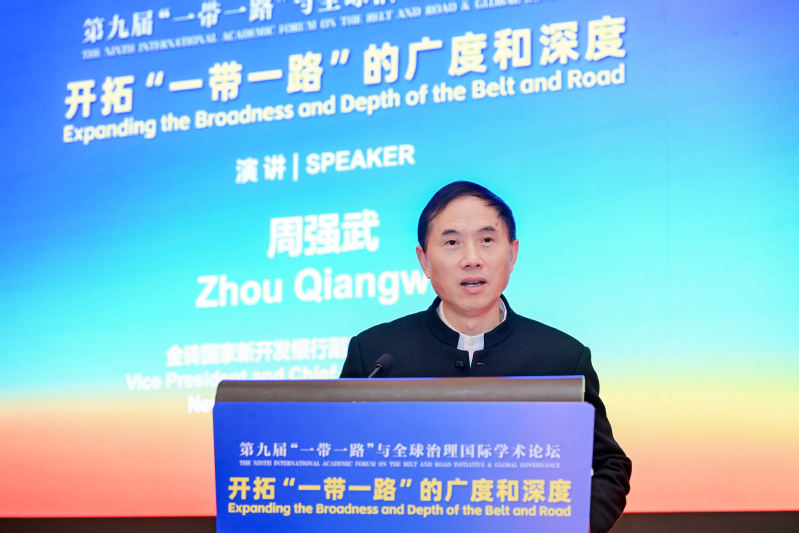
ZHOU Qiangwu, Vice President and Chief Administrative Officer, New Development Bank (NDB) stated that the NDB, through sovereign respect, tailored frameworks and local currency financing, has delivered quality projects advancing sustainable development. He highlighted the Global South’s growing influence and mature cooperation, noting the NDB as a key BRICS achievement. He reiterated China’s consistent support for the Global South and multilateralism. As challenges grow, the world expects China to contribute more to peace and development, an expectation rooted in its commitment to equity and common development, evidenced by tangible platforms like the Belt and Road Initiative.
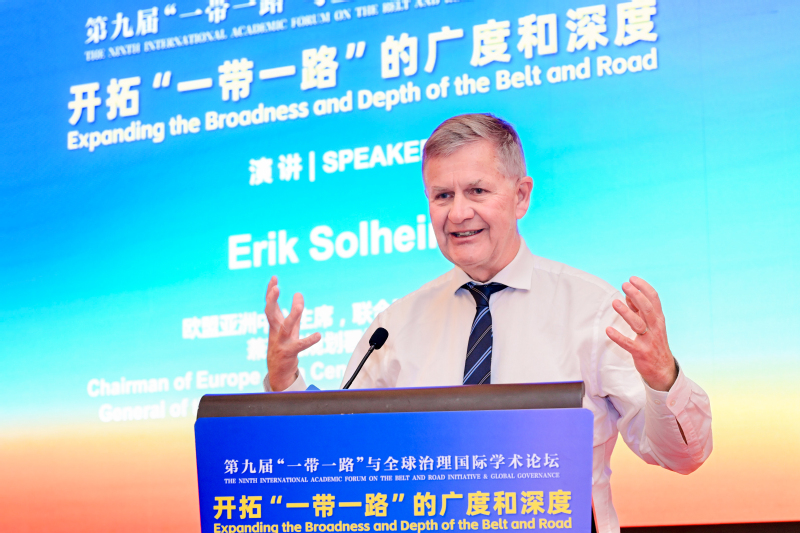
Erik Solheim highlighted that the core of development finance lies in mutual benefit, a principle actively embodied by the Belt and Road Initiative. He cited the Mombasa-Nairobi Railway for boosting Kenya’s GDP and creating numerous jobs for Kenyans. Reflecting on China’s transformation from poverty alleviation to a green transition leader, he noted that its governance approach—viewing green development as an opportunity—offers valuable lessons. To tackle youth unemployment in Africa and India, he urged Chinese firms to transfer technology and establish local manufacturing. He further advocated enhancing soft connectivity in areas like customs, education, and cultural heritage, emphasizing that global unity is essential to solving shared challenges.
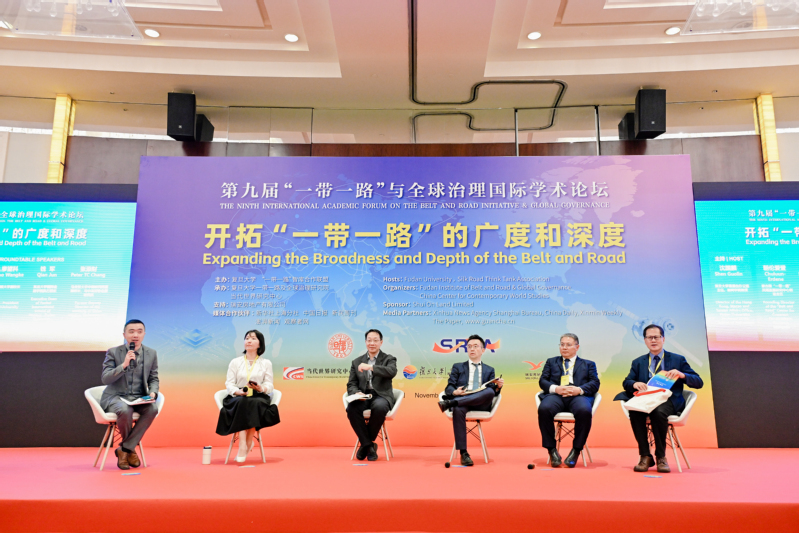
A subsequent roundtable dialogue brought together Chinese and international scholars to discuss regional cooperation, cross-cultural exchange, and resource coordination for high-quality Belt and Road development.
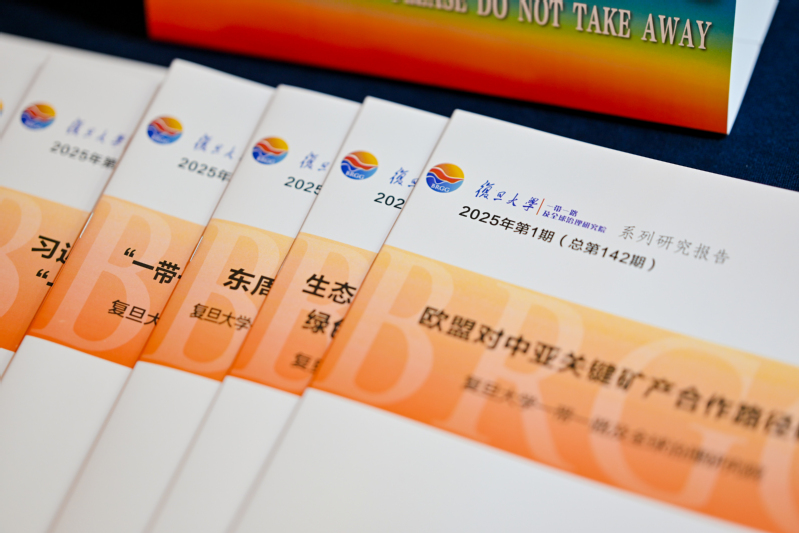
The Forum released 21 research reports, including Innovation in Theory and Practice of the Belt and Road under the Guidance of Xi Jinping’s Diplomacy Thought. Parallel events included the Belt and Road Entrepreneurs Forum and sessions on themes such as Global South market cooperation, innovations in “soft connectivity”, and the application of international law.
(END)
Writer: FU Can
Editor: WANG Mengqi, LI Yijie