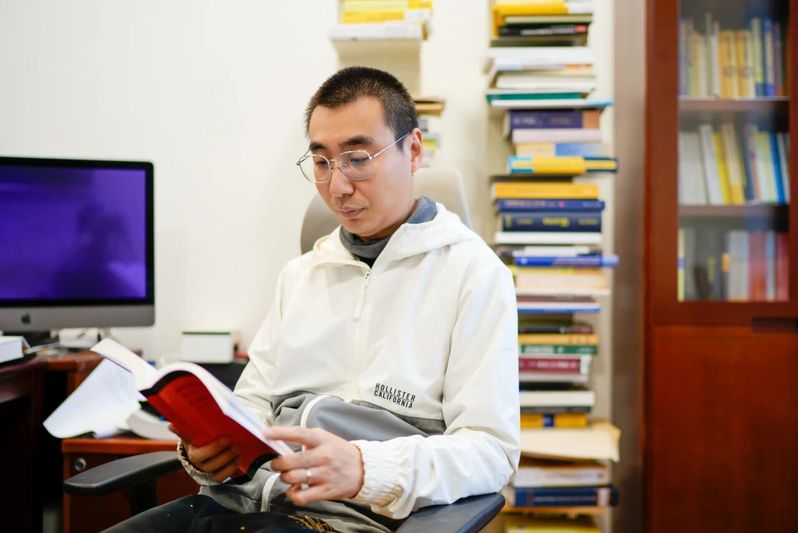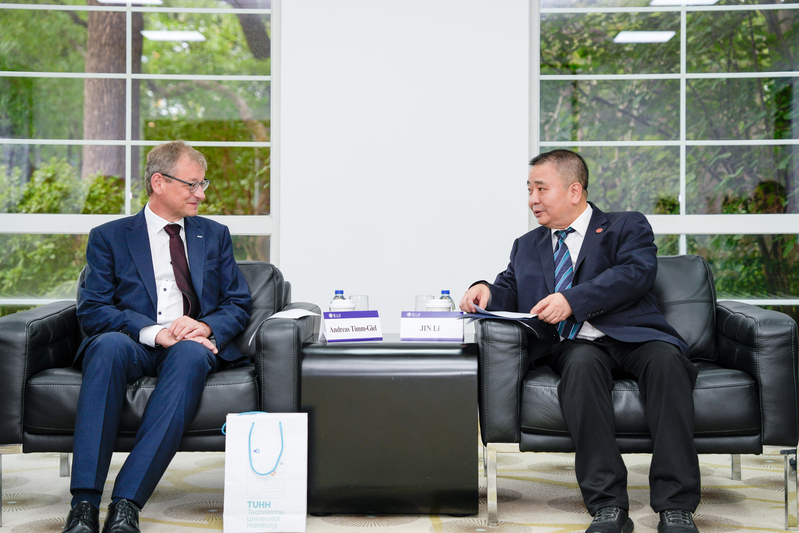

A growing cohort of finance professionals from Southeast Asia is choosing to advance their careers at Fudan University's Full-time Finance MBA program (FMBA FT+) in Shanghai. They come not just for a degree, but to position themselves at the nexus of regional growth and global finance.
What drives this choice, and what unique value do they find? Here, three students from Indonesia, Malaysia, and Thailand share their journeys in their own words.



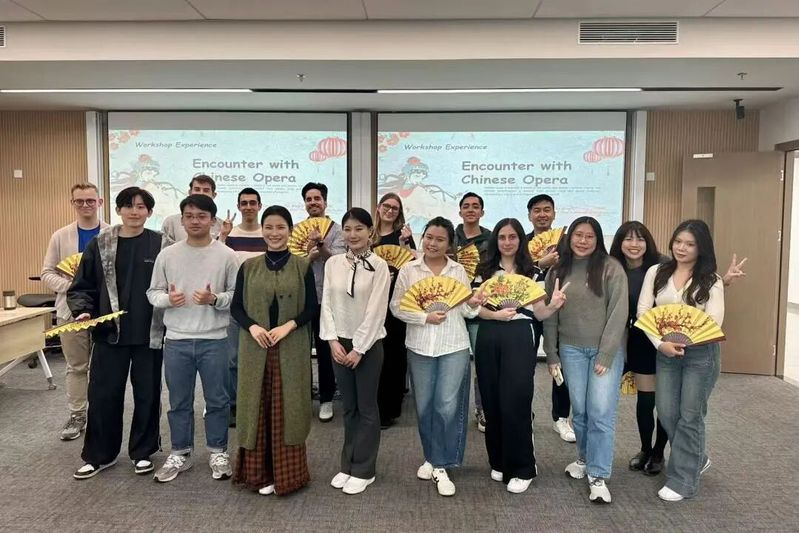
Listed alphabetically by name.
1. Stevita Karli
Pepperdine University
Marketing Industry
Indonesia
FMBA FT+ 2025 Class

Q1: How do you integrate your diverse background into your FMBA goals?
A: My background in psychology helps me understand human behavior and leadership dynamics, while my experience in education and supply chain management grounds me in structured thinking and real operational challenges. Through FMBA FT+, I aim to integrate these perspectives to become a business leader who can make data-driven decisions while remaining deeply people-oriented, especially in complex, cross-functional environments.
Q2: How do educational experiences compare between the U.S. and China?
A: Studying in the U.S. provided me with a strong foundation in critical thinking and independent learning, but I sought deeper exposure to Asia’s rapidly evolving business landscape. Fudan appealed to me because it offers rigorous academic training while being embedded in Shanghai, allowing me to learn business not only in the classroom but also through direct engagement with China’s dynamic market.
Q3: How have Fudan helped you to achieve your post-graduation goals?
A:The FMBA has given me access to industry-focused coursework, diverse peer perspectives, and networking opportunities that connect theory with real business practice. Outside the classroom, I actively seek cross-industry insights, strengthen my financial and analytical skills, and stay engaged with regional business trends to prepare for long-term leadership roles.

2. Virada Wanichprasertporn
University of the Arts London
Entrepreneurship
Thailand
FMBA FT+ 2025 Class

Q1: How has FMBA FT+ reshaped your diverse experiences?
A: The FMBA has helped me see the core of how businesses truly operate, especially from a financial perspective. Since I didn’t come from a finance background, the program has been eye-opening in helping me connect real business decisions with financial logic. It has changed the way I think about growth, risk, and strategy.
Q2: What made you want to pursue a second master's degree at Fudan?
A: Even though I already hold a master’s degree, I chose the Fudan FMBA because I wanted a much stronger and more practical foundation in finance and core business skills. This program goes beyond theory and really focuses on how decisions are made in real companies. That practical focus is what makes the FMBA stand out from my previous academic experience.

Q3: What has been your favorite class in the program so far, and why?
A: My favorite class so far is Financial Accounting. Although it was completely new to me at the beginning, I was surprised by how engaging it is. Learning how to ‘read’ a business through its financial statements has been incredibly useful and has changed how I evaluate companies.
3. Ng Yi Hong
The University of Salford
Financial Service Industry
Malaysia
FMBA FT+ 2025 Class
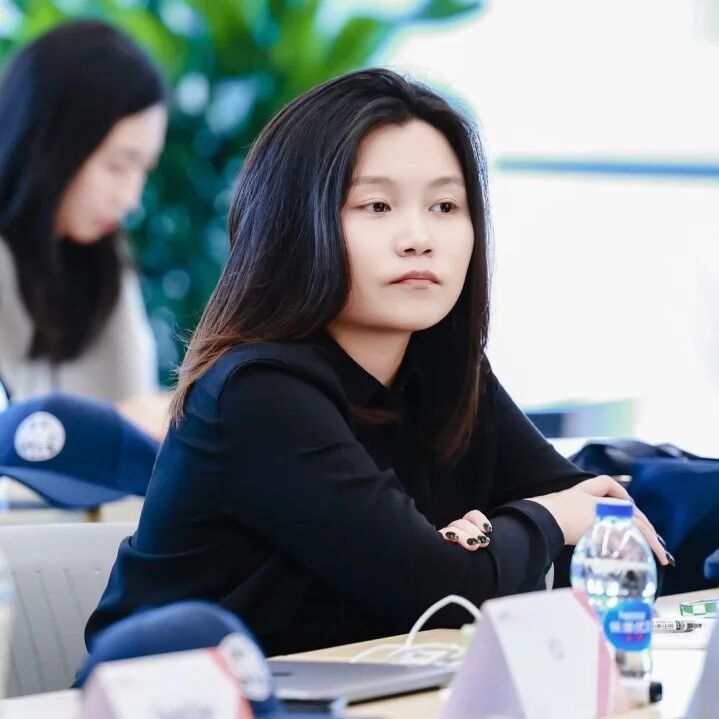
Q1: What inspired you to choose a full-time MBA?
A: I was inspired to move from a specialized audit role at EY to pursue the FMBA because I see a clear opportunity to shift my career toward finance—a field I’m passionate about, having studied Finance in my undergraduate degree. This program particularly attracted me as it blends business and finance, which aligns perfectly with my academic background and professional aspirations.
Q2: What aspect of studying in Shanghai has been most meaningful for you?
A: As a Malaysian Chinese, the most meaningful aspect of studying in Shanghai has been experiencing the distinct culture and pace of life here, which is completely different from what I’m used to in Penang. It has given me a valuable perspective on both my own heritage and life in the Chinese Mainland.

Q3: What do you enjoy most about Shanghai's dynamic environment?
A: So far, what I enjoy most about Shanghai’s dynamic environment is the incredible convenience of daily life, thanks to platforms like Meituan, Dianping, and Didi. They really streamline everything and make adapting to the city both efficient and enjoyable.
Making the Decision (Tips on Applying to Fudan’s FMBA FT+)
Stevita Karli
Be clear about your personal ‘why’ before applying—an FMBA is most impactful when it aligns with your long-term vision, not just as a credential. I would also encourage Southeast Asian professionals to embrace discomfort, as studying in a different business culture can be challenging but incredibly transformative both professionally and personally.
Virada Wanichprasertporn
The most crucial advice I would give is to fully embrace the people in the program. The class size is relatively small, which makes it easy to build close relationships, and the cohort is very international. You get to learn alongside classmates from diverse nationalities and professional backgrounds, which adds a lot of value both inside and outside the classroom.
Ng Yi Hong
I would advise professionals from Southeast Asia considering the FMBA FT+ to fully embrace the diverse learning environment. The class brings together people from around the world and across China, and the professors' backgrounds along with the resources provided by the school create a uniquely enriching experience that is well worth the commitment.
(END)
Source: Fudan International School of Finance