The artist talk for the “Neo-Chinese Style” dance drama Azure After The Rain took place on the evening of March 11 at Fudan’s Xianghui Theatre.
Presented by Shanghai Dance Theatre, the work explores the life of LI Qingzhao, the renowned poet of the Song Dynasty. The session engaged faculty and students in a dialogue on interpreting classical literary spirit through contemporary dance theatre and portraying the emotional landscape of a female scholar on stage.
Li, the renowned poet of China’s Song Dynasty, stands as an extraordinary Chinese female literary figure not merely for her exceptional literary achievements, but for her unyielding resilience. The dance drama, which premiered in October 2024, weaves 15 of her celebrated Ci poems(词)throughout a choreographic narrative that traces her tumultuous life journey and brings her timeless poetic imagery to life.
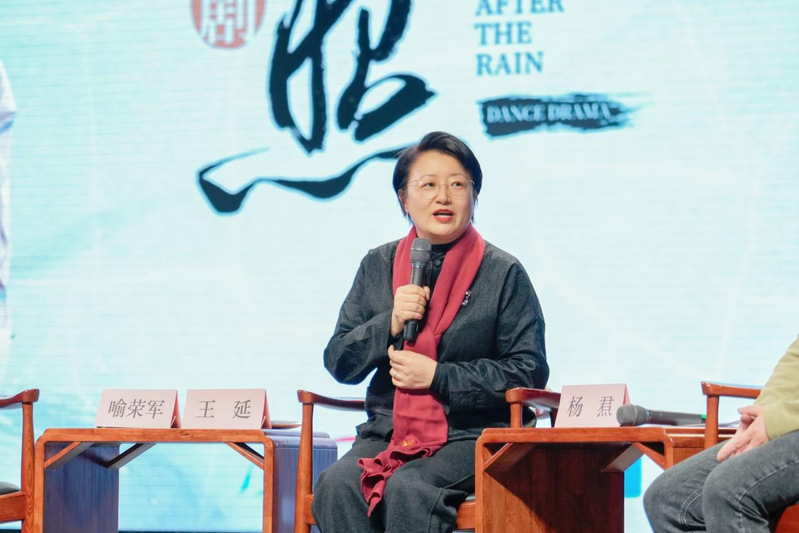
“Contemporary dance theatre is the most beautiful and multidimensional form of theatrical expression,” said WANG Yan, Director of the Shanghai Dance Theatre and producer of Azure After The Rain. “Through the aesthetics of the modern stage, we aim to integrate Li’s life experiences, poetic legacy, and the refined elegance of Song Dynasty culture into a cohesive artistic vision.”
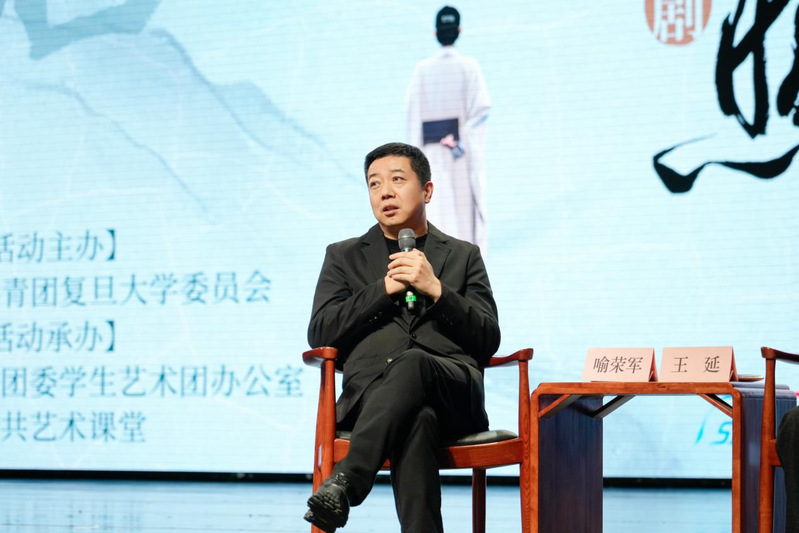
Playwright YU Rongjun described the creative process as a gradual journey of entering the poet’s world. Through sheer poetic talent and artistic brilliance, she emerged from historical obscurity to become a towering literary figure who transcended her time. “You will see her solitude, her vulnerability, and her resistance,” Yu noted. “She is not a symbol, but a living, breathing human being.”
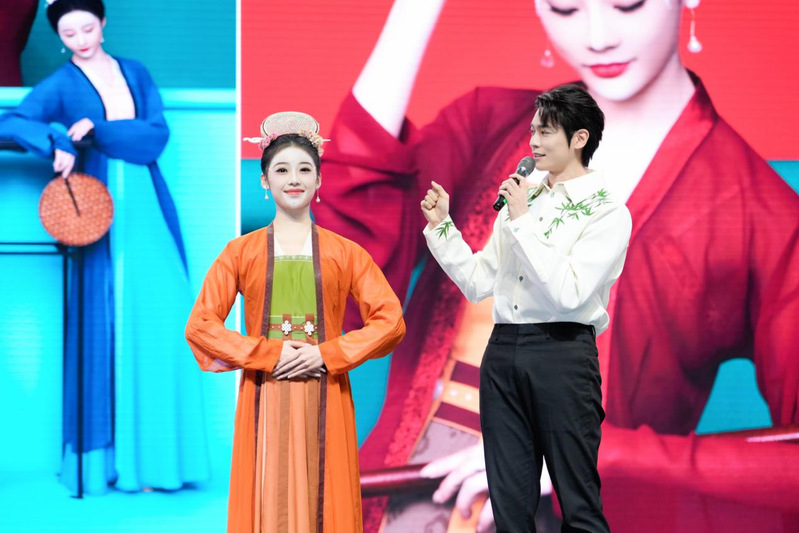
The stage design of Azure After The Rain embodies the aesthetic elegance of the Song Dynasty. Through a video montage, the audience gained a preliminary glimpse into Song culture—elements such as street vendors (mai huo lang), the “three-white” makeup (san bai zhuang), and pearl adornments (zhen zhu zhuang) were all brought to life on stage. The performers also gave the audience an up-close look at typical Song Dynasty women’s hairstyles and makeup, capturing the refined grace and timeless Eastern beauty of the era.
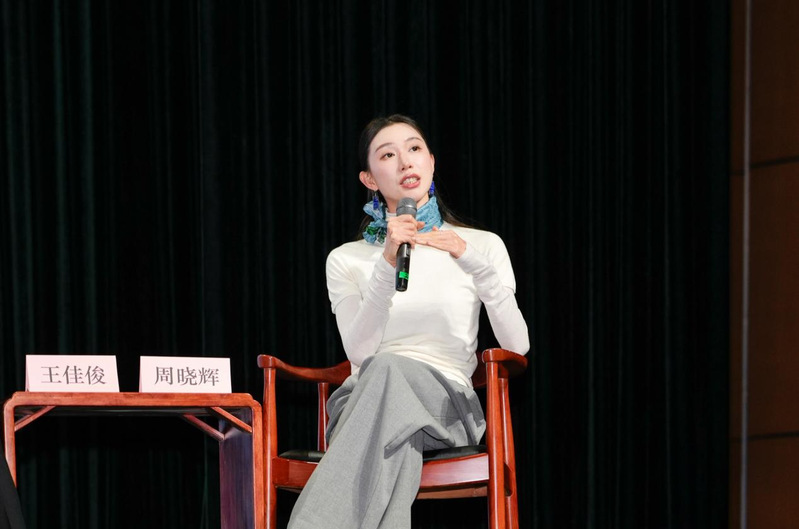
For ZHOU Xiaohui, the dancer portraying Li, the role has become an intimate exploration of the poet’s inner life. Through the Ci poems composed at different stages of her life, Zhou gradually accessed her spiritual world, translating emotional depth into physical language to present audiences with a Li Qingzhao who defies conventional definition —incisive and avant-grande.
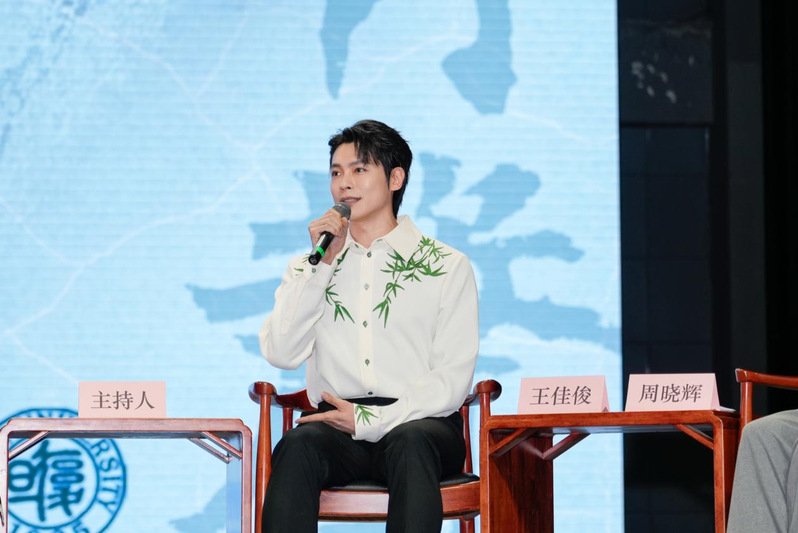
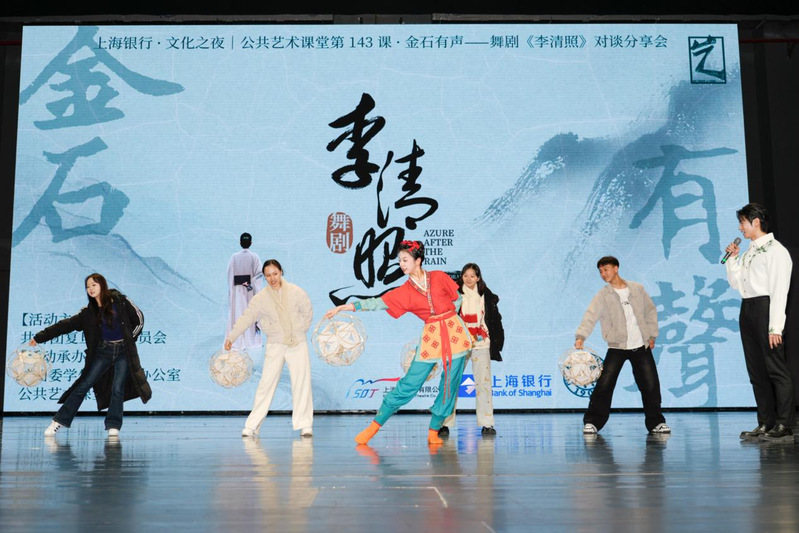
WANG Jiajun, who portrays ZHAO Mingcheng, the husband of LI Qingzhao, noted that the figure remains elusive—historical records are scant. “This grants us creative freedom, but also demands imagination and poses challenges.” He highlighted the “rolling lantern” (gun deng), an intangible cultural heritage from the Southern Song Dynasty, inviting audience members onstage to learn simple movements.
Transforming Li from a historical figure to a theatrical presence posed significant challenges. The creative team ultimately anchored the production in three conceptual pillars: artistic brilliance, moral integrity, and personal freedom. From the precocious literary talent of her youth, through the resilience forged amid national collapse and personal loss in middle age, to the transcendent spiritual state of her later years compiling Catalogue of Inscriptions on Metal and Stone(《金石录》)—— “Li moved toward independence and freedom through extremes of both happiness and suffering. Her pursuit of autonomy resonates profoundly with the aspirations of women today.” Yu noted.
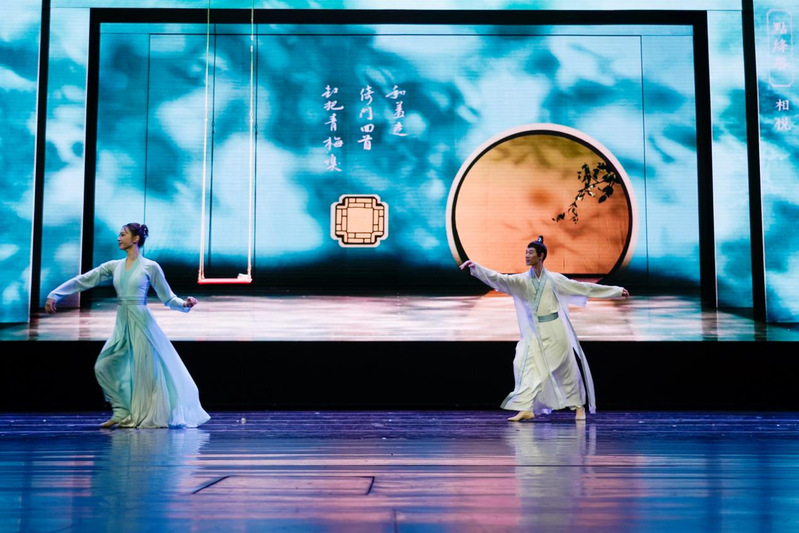
Rather than a distant, untouchable legend, this art production presents the poet as flesh and blood, a woman of her time and, ultimately, of ours.
(END)
Writer: HU Jinqi
Editor: WANG Mengqi, LI Yijie