
Recently, China’s National Medical Products Administration officially approved the registration application for Neural Electronic Opportunity (NEO), an implantable brain-computer interface (BCI) hand motor function compensation system developed by Neuracle Medical Technology (Shanghai) Co., Ltd. This marks the world's first implantable BCI Class III medical device to receive market approval.
As one of the lead institutions for this clinical trial, Fudan University Huashan Hospital which hosts China’s National Center for Neurological Disorders, collaborated with 11 top-tier medical institutions across the country to complete 32 cases of high-level clinical validation. With authentic and reliable clinical data, they have opened a door of hope for millions of paralyzed patients with spinal cord injuries around the globe.
BCI reboots nerves
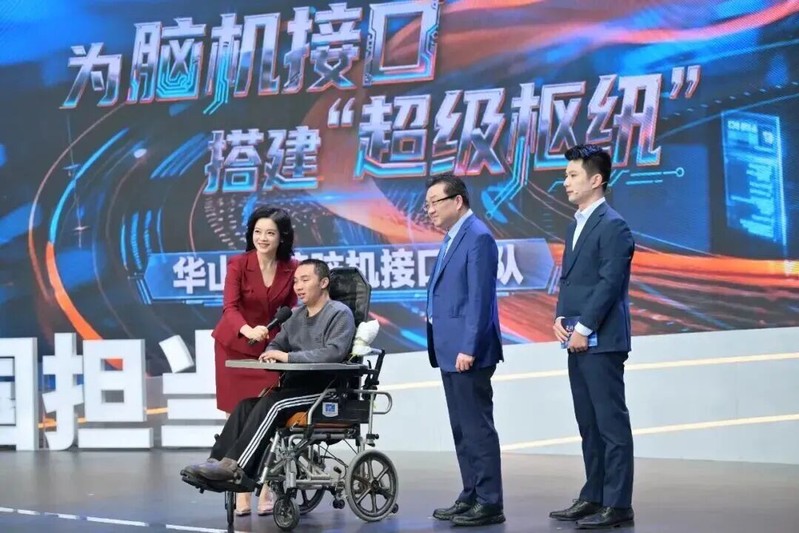
Dong, 40, is a witness to this integration of technology and life. Six years ago, a sudden car accident resulted in severely impairment under his neck, and he lost grasping ability in both hands and struggled to stand. Dong’s rehabilitation then remained stagnant for four years. Conventional medicine suggested that the potential for recovery was minimal.
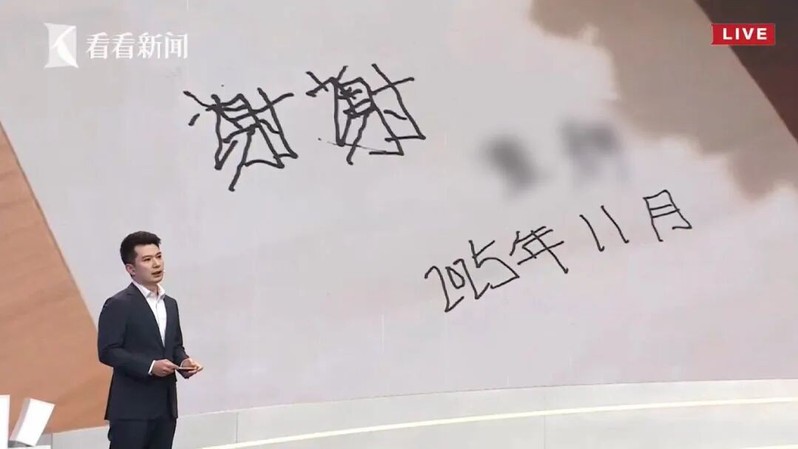
A silver lining appeared after Dong underwent a BCI implantation surgery at Huashan Hospital on November 6, 2024. He had since started to engage in intensive, precise training for at least six hours daily. With the assistance of BCI and pneumatic gloves, Dong gradually rebuilt the neural connections between his brain and hands. One month later, he was able to lift a cup with the help of pneumatic gloves for the first time. Two years later, he removed his BCI device. Without any device assistance, Dong supported his right hand with his left and wrote his name, stroke by stroke—“小董” (Xiao Dong)—and then solemnly added “谢谢” (Thank You).
"Dong’s recovery is no mere stroke of luck. It suggests that the human brain's neural circuits exist. After BCI implantation and intensive training, these circuits can be formed. "said MAO Ying, President of Huashan Hospital and Executive Director of the National Center for Neurological Disorders at Huashan Hospital, who led the clinical trial.
Mao said that national multi-center clinical trial led by Huashan Hospital has enrolled 32 patients in rehabilitation stagnancy like Dong, Under a clinical trial system with unified standards and rigorous quality control, the improvement rate for their hand grasping function reached 100%. Some patients showed clear signs of neural plasticity even after the device was removed.
"The magnitude of change brought about by BCI in recent years has opened a new possibility for us. We know there is light ahead. Following this path, it is possible to reclaim lost brain functions with the technology." Mao stated.
From groundwork to leadership
While the breakthrough may seem unexpected, it builds on a decade of dedicated work by Huashan Hospital in the field of BCI. Achievements in brain-computer interface technology depend on the deep integration and collaborative efforts of multiple disciplines, including materials science, artificial intelligence, integrated circuits, and clinical medicine.
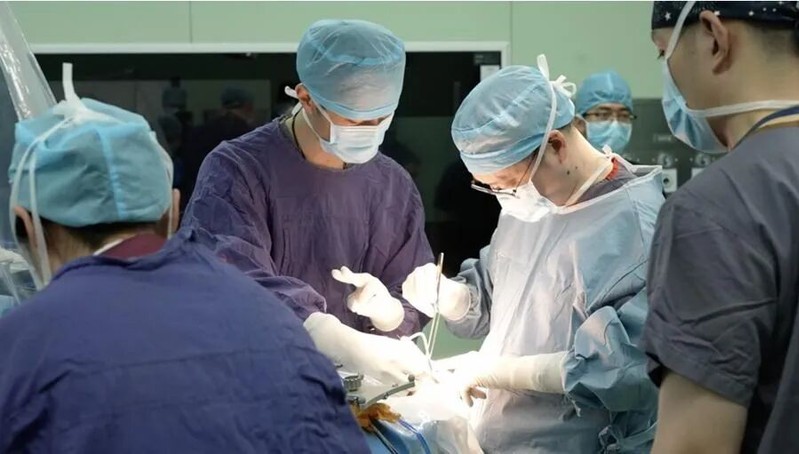
The Huashan Hospital team is conducting the first clinical trial of BCI products at Neuracle Medical Technology (Shanghai) Co., Ltd
Over the years, the team has developed a brain function localization and navigation system, compressing the time needed to locate the implantation site after craniotomy from several hours to just three minutes. They also initiated the iBRAIN Invasive EEG Data Alliance, aiming to train their own AI model for brain science.
The team has established different quality inspection paths for BCI products at different stages of maturity.
In the past year alone, the team collaborated with nearly 10 top domestic BCI companies, completing dozens of clinical trial surgeries.
Ushering in a new future for brain science
The technological revolution beginning with BCI has arrived. In Mao's view, while new technologies can aid rehabilitation indeed, scientists have also realized that there are far more methods than just this one to address the myriad problems of the brain.
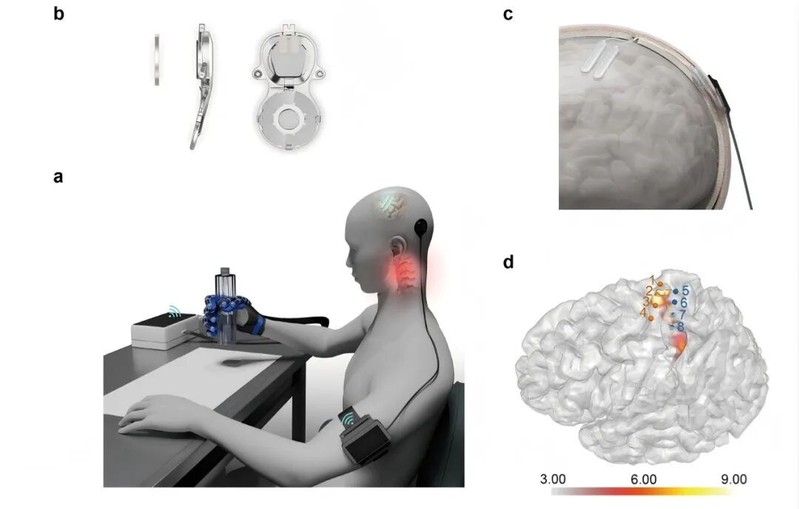
"Beyond EEG signals, physical modalities like sound, light, electricity, magnetism, and biological ultrasound hold promise for integration into the BCI system in the future. We have only opened a window and seen the light of hope. The next step is to find a way to allow patients to regain autonomy and freedom," Mao said.
Experts envisioned that to go further, it's essential to adhere to multi-technology collaboration and combined therapy, integrating the advantages of BCI, electrical stimulation, magnetic stimulation, and so on.
"Every step of exploration today is paving the way for accessible rehabilitation technologies tomorrow, making them truly available, affordable and effective for more patients." Mao concluded.
(END)
Writer: HONG Kaiwei, YANG Xinrui
Editor: WANG Mengqi, LI Yijie