From June 2 to 6, Fudan University hosted the “Starting from Shanghai's Mangroves: To Explore China’s Ecological Wisdom” study program — a key component of the 2026 China-UK Study Tour Pioneering Scheme organized by the Chinese Service Center for Scholarly Exchange (CSCSE) under the Ministry of Education.
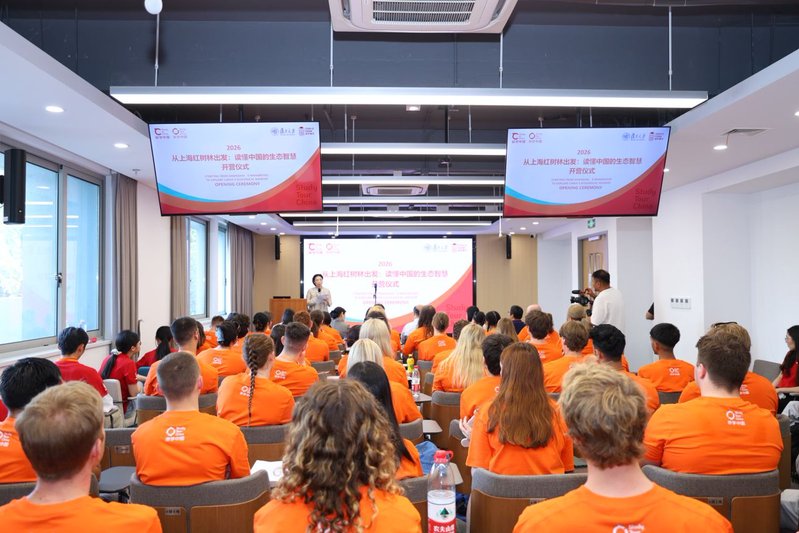
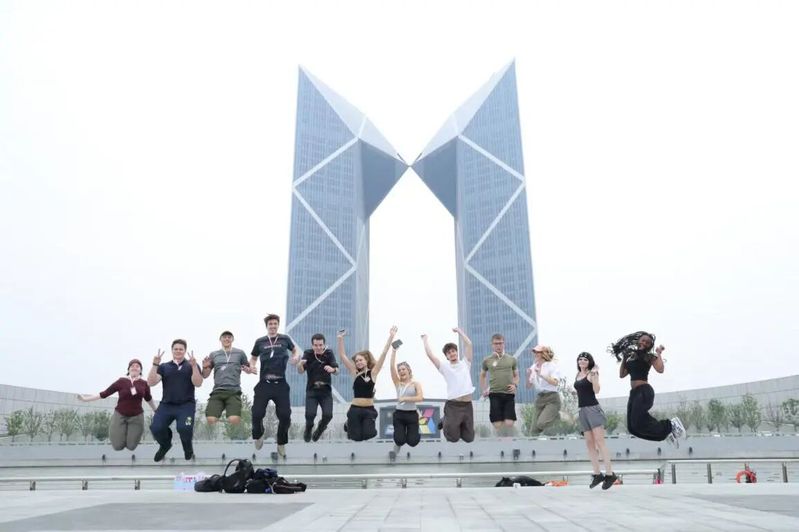
During the 5-Day field learning programme in Shanghai, nearly 60 students from the University of Exeter and the University of East Anglia gathered at Fudan for an immersive journey into China’s ecological philosophy and urban development.
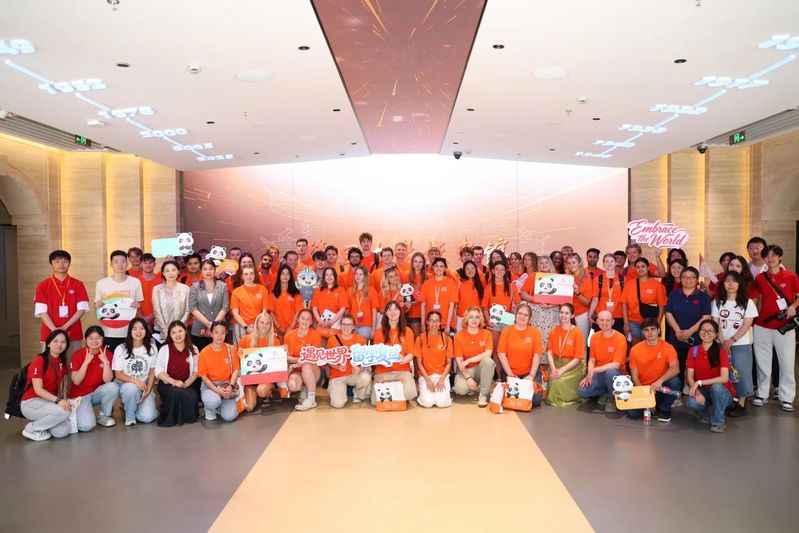
A Program Built on Exploration
Over the course of five days, participants engaged in classroom lectures, field investigations, urban exploration, and cross-cultural exchange.
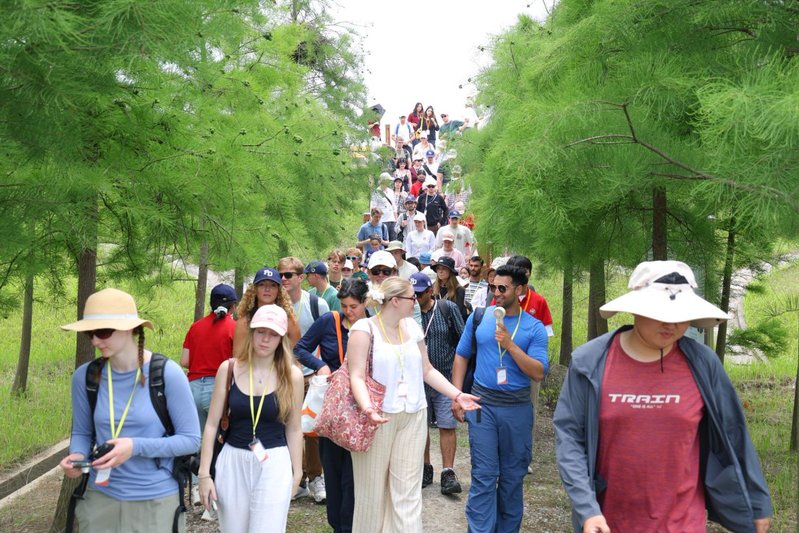
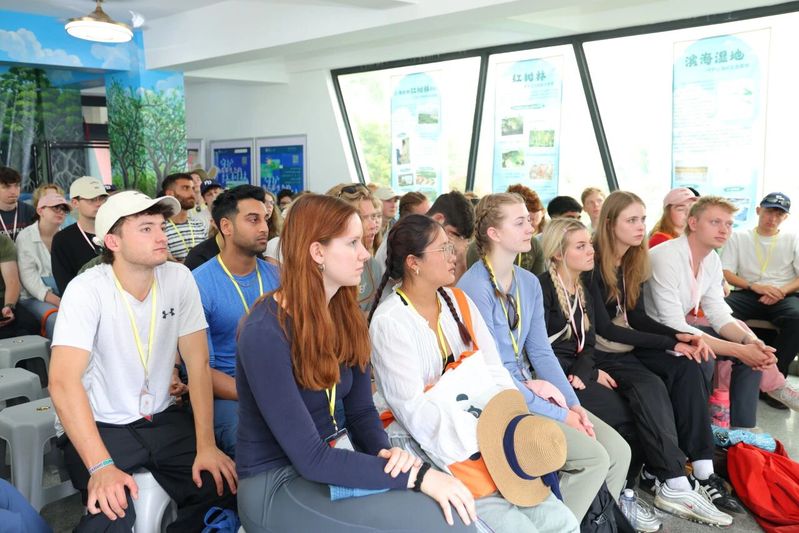

They explored cutting-edge climate adaptation strategies in Lingang, Shanghai's “Sponge City” pilot zone, where they attended a lecture on mangrove migration, participated in hands-on mangrove planting, and investigated the Starry Sky Sponge Park—a “visible sponge system” that achieves 90% annual stormwater runoff control through integrated wetlands, rain gardens, and ecological shorelines.
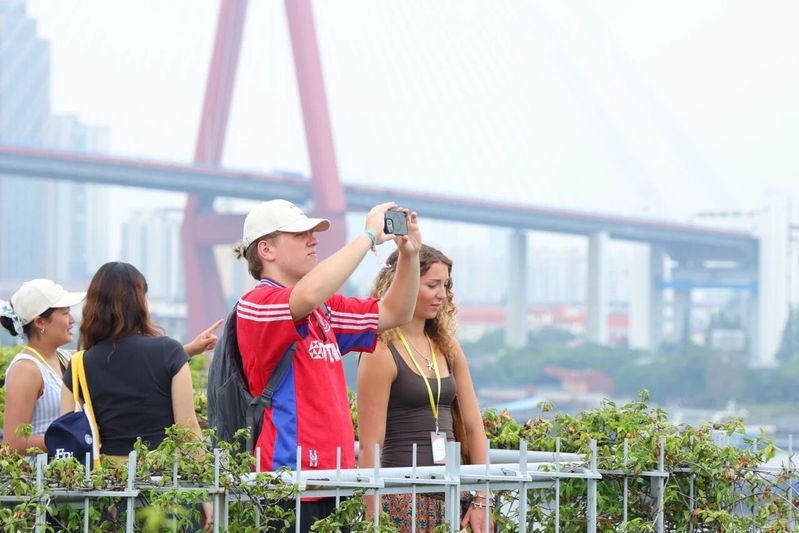
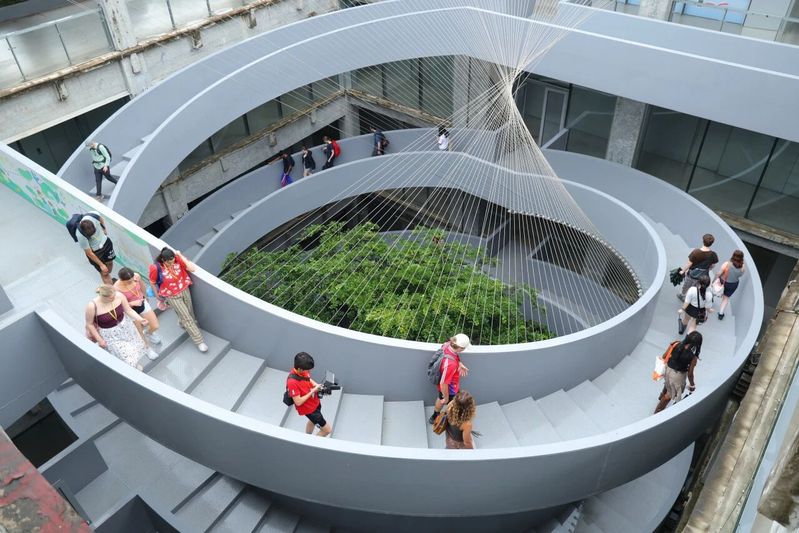
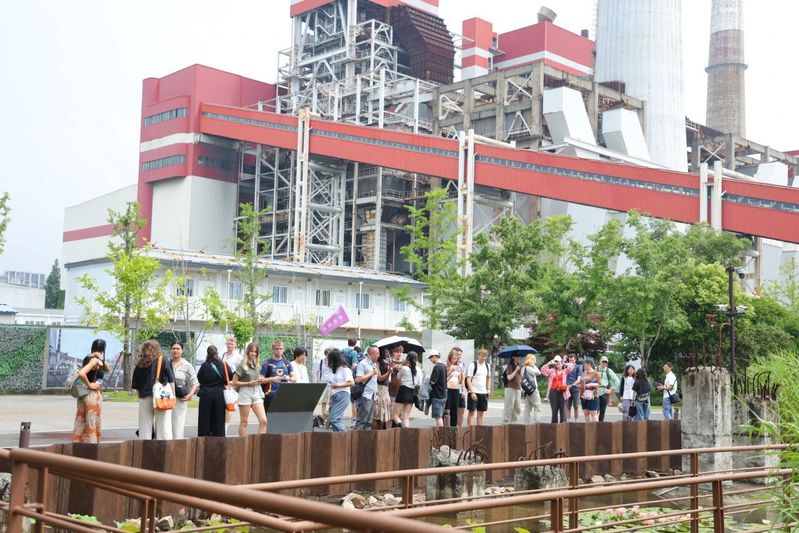
A full-day citywalk then traced Shanghai’s dramatic industrial-to-ecological transformation along the Huangpu River, featuring Fuxing Island’s restoration as an urban “green lung”, the adaptive reuse of century-old industrial infrastructure at Yangshupu Power Plant with solar-powered cultural spaces, Green Hill’s conversion from a tobacco warehouse into a vertical forest with rooftop gardens, and the historic Yangshupu Waterworks now connected to a 45-kilometer public waterfront corridor.
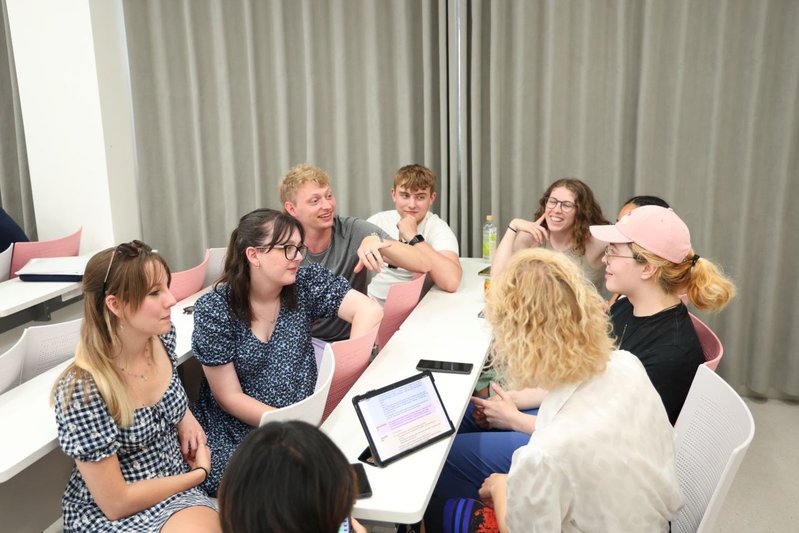
The program concluded with a lecture on China’s ecological civilization framework and independent student productions comparing Chinese and international Nature-based Solutions through group videos and social media content.
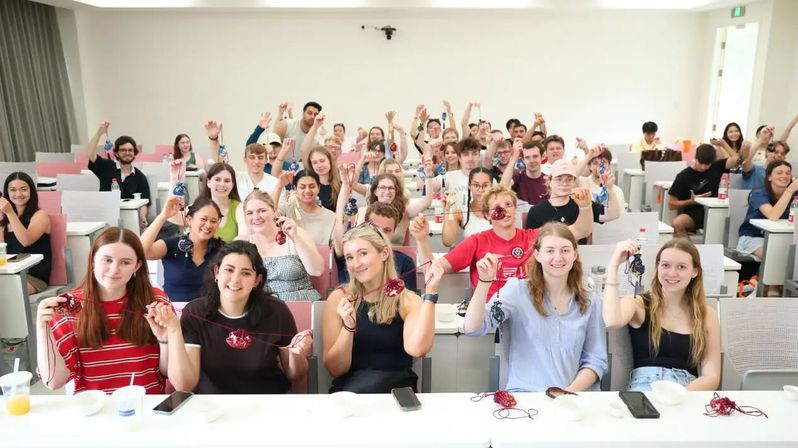
Four thematic lectures explored topics from wetland biodiversity to China’s ecological civilization, interwoven with field investigations across Shanghai’s sponge city pilots, industrial heritage sites, and riverside ecosystems. The program culminated in student group presentations comparing Chinese and international Nature-based Solutions, alongside personal visual stories and social media content.
A Journey Worth Taking
Green Hill stood out as a favourite among students. Francis Andrew Joel from the University of East Anglia shared his impression: “I really like the Green Hill area — that was probably my favourite place. I like having the view of the river, as well as the green space, and there are just lots of natural curving shapes in the area. I like that.”
Caspar Herberg from the University of Exeter noted that no passive information could replace genuine immersion, and that through this experience he came to appreciate the real value of cross-cultural exchange.
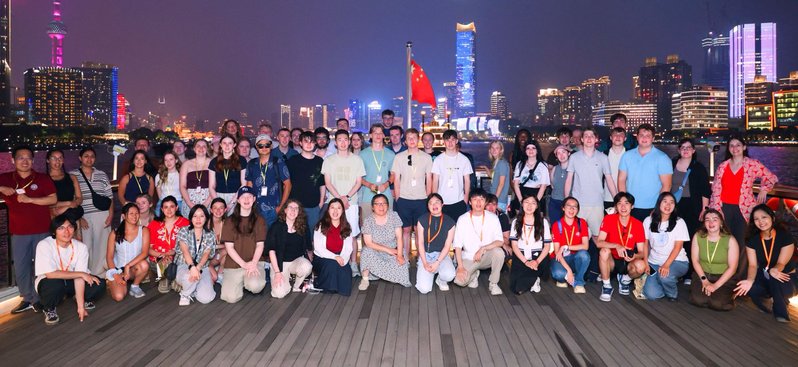
More broadly, students noted that Shanghai’s commitment to ecological thinking feels woven into the city itself, backed by government initiatives that go well beyond what they had experienced at home. When asked to sum up the week, one student simply called it “a fantastic experience”.
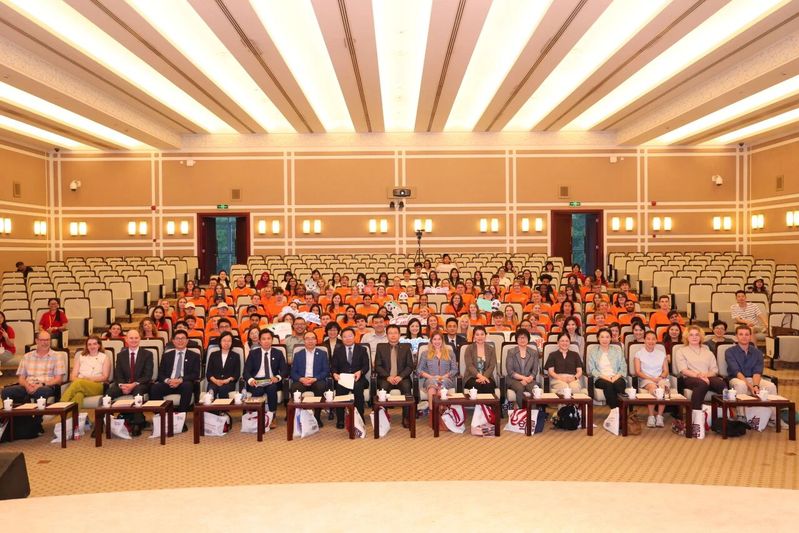
This program offered British students a rare opportunity to experience China’s ecological wisdom firsthand — not through textbooks, but through the city’s landscapes, heritage, and living communities. For Fudan and its partners, it marks a meaningful step toward deeper China-UK dialogue on building a more sustainable world.
Source: International Students Office
Writer: Cheng She Vern
Video: CHENG Yuting
Editor: WANG Mengqi, LI Yijie