
From July 6 to 17, Fudan University 2026 Global Health Summer School was held at the Fenglin Campus, jointly organized by the Fudan Institute for Advanced Studies in Global Health and the Shanghai Institute of Infectious Disease and Biosecurity.
As one of Fudan University's flagship international summer programs for graduate students, this year's program brought together cutting-edge scholars and practice-based innovators. Senior leaders and internationally recognized experts from the World Health Organization (WHO), the Global Fund, Gavi, the Vaccine Alliance, the University of Geneva, the University of Malta, the London School of Hygiene & Tropical Medicine (LSHTM), and other institutions served as faculty. More than 50 outstanding master's and doctoral students and senior undergraduates from multiple countries - China, Australia, Ethiopia, India, Malaysia, Malta, Myanmar, and Thailand - participated with great enthusiasm.
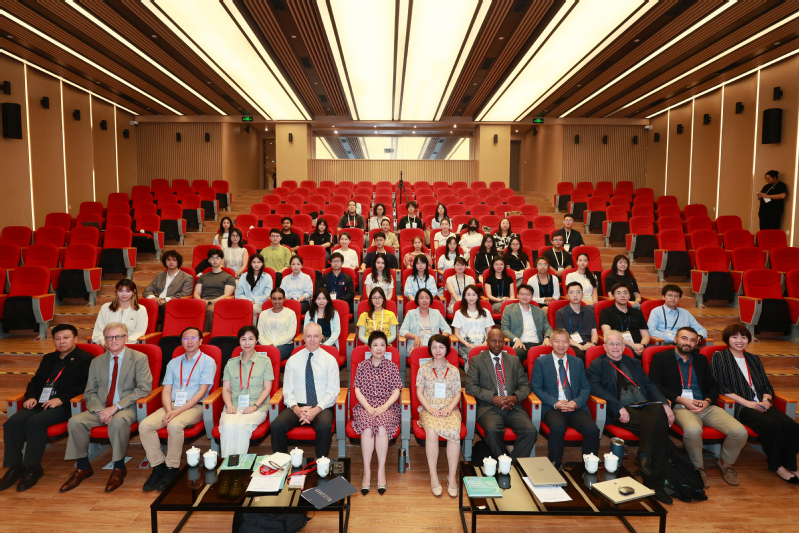
Opening Ceremony
Global Health in Action: A Dynamic Start
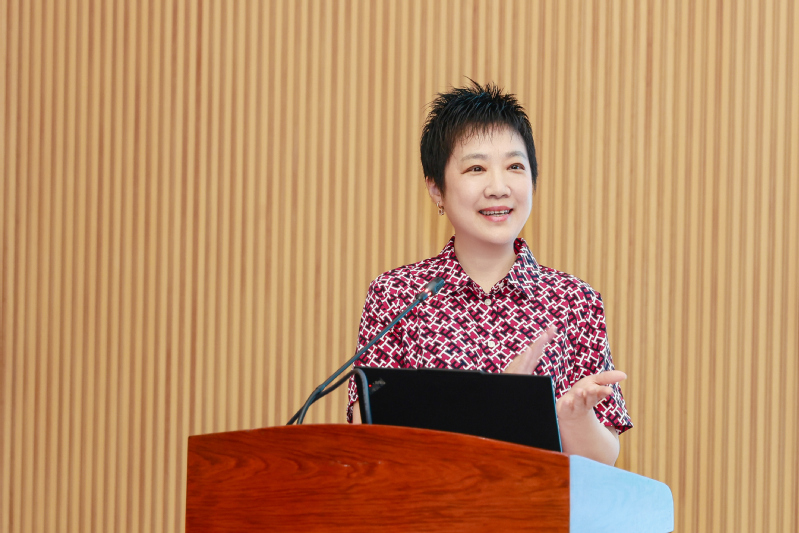
Professor WU Fan, vice dean of Shanghai Medical College, Fudan University, addresses the opening ceremony
At the opening ceremony, Professor WU Fan, vice dean of Shanghai Medical College, Fudan University, welcomed faculty and students from around the world. She noted that the global public health landscape continues to evolve amid intersecting challenges, including climate change, regional conflict, and the concurrent burden of communicable and noncommunicable diseases. Thus, stronger global health cooperation and interdisciplinary talent development are more vital than ever.
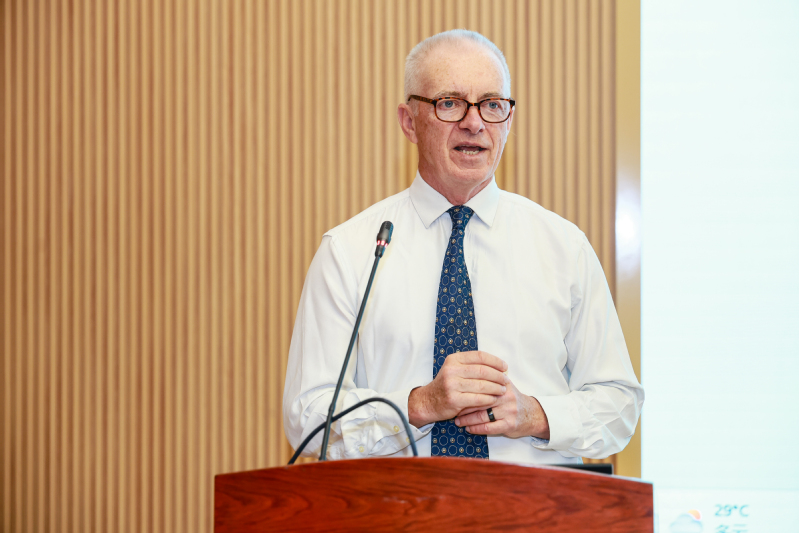 Dr. Anthony Mounts, independent consultant to The Task Force for Global Health, addresses the opening ceremony
Speaking on behalf of the guest faculty, Dr. Anthony Mounts, an independent consultant to The Task Force for Global Health, drew on his extensive experience in global infectious disease control and health security, emphasized that global health challenges transcend national borders and that international cooperation, mutual trust and support, and information sharing are essential to solutions.
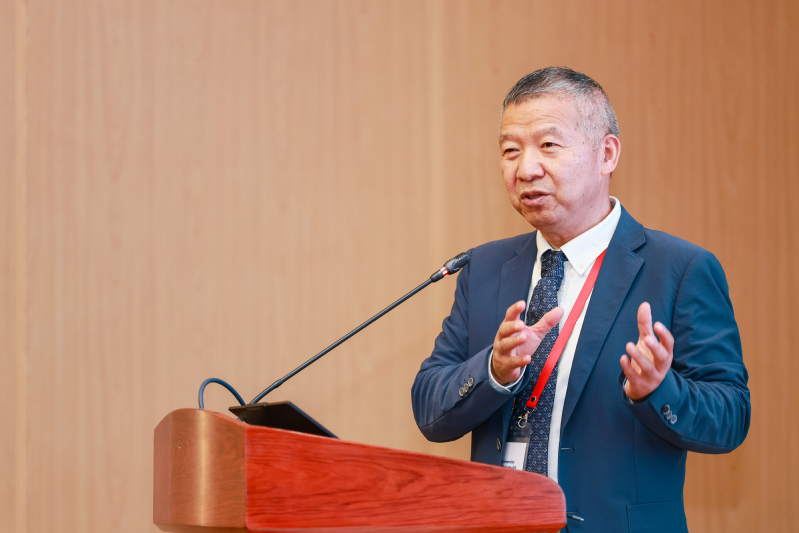 Professor ZHAO Jinkou outlines the course framework and core content
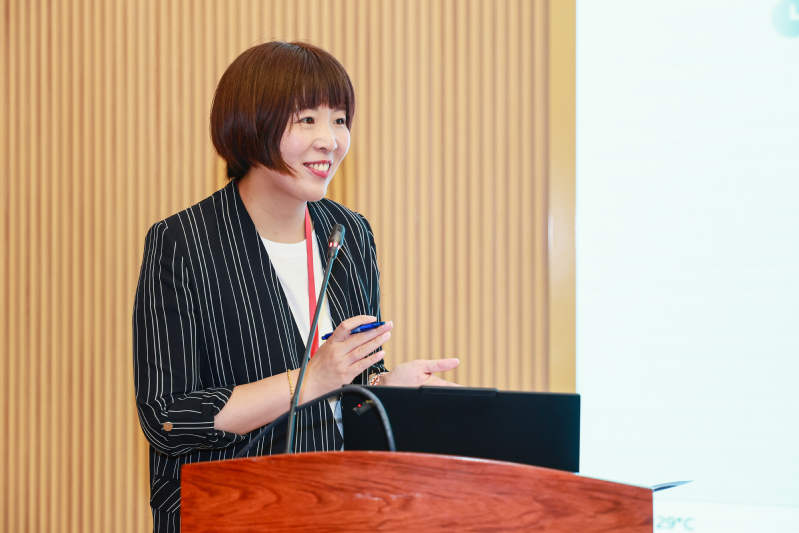 Dr. XU Hongyang hosts the opening ceremony
Expert-Led Courses and Field-Based Learning Broaden Global Perspectives
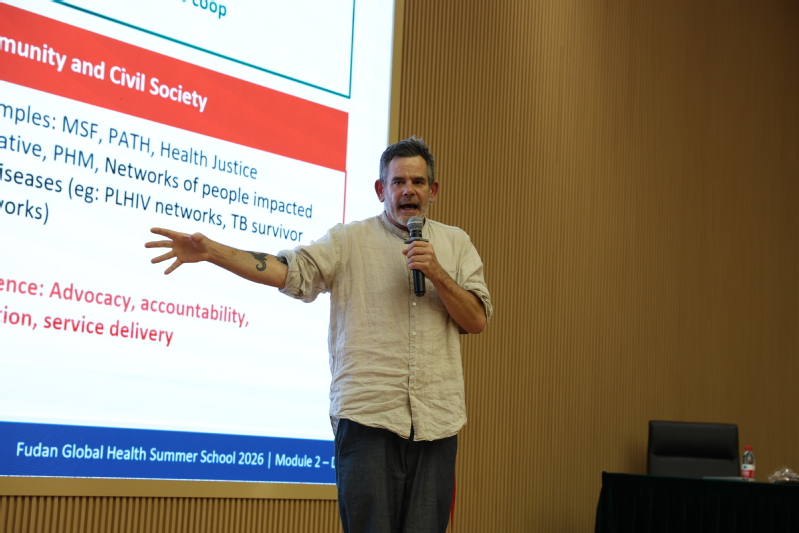 David Traynor, deputy head of the Community, Rights and Gender Department, the Global Fund, delivers a lecture
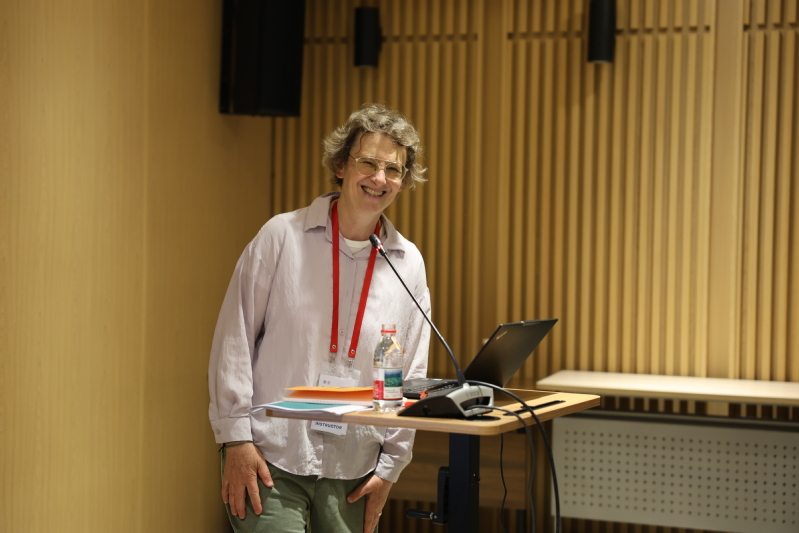 Nina Schwalbe, founder and CEO of Spark Street Advisors, participates in a group discussion
 Matthew Brown, Sergio Vieira de Mello Visiting Chair in the Practice of Post-Conflict Diplomacy, Seton Hall University, School of Diplomacy and International Relations, delivers a lecture
The faculty included Aleksandar Arnikov, senior programme officer, Health Promotion and Assistance at the International Organization for Migration; Dr. Daniel Argaw Dagne, unit head for Prevention, Treatment and Care, Department of Control of Neglected Tropical Diseases, WHO; David Traynor, deputy head of the Community, Rights and Gender Department at the Global Fund; and Nina Schwalbe, founder and CEO of Spark Street Advisors.
Their sessions addressed Addressing Determinants (Migration, Climate Change, etc.) in Disease Prevention and Response, Multiple Disease Elimination for Global and Local Responses, Global Health Stakeholders & Agenda-Setting, and Global Health Governance Architecture, respectively.
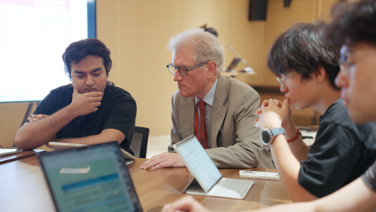
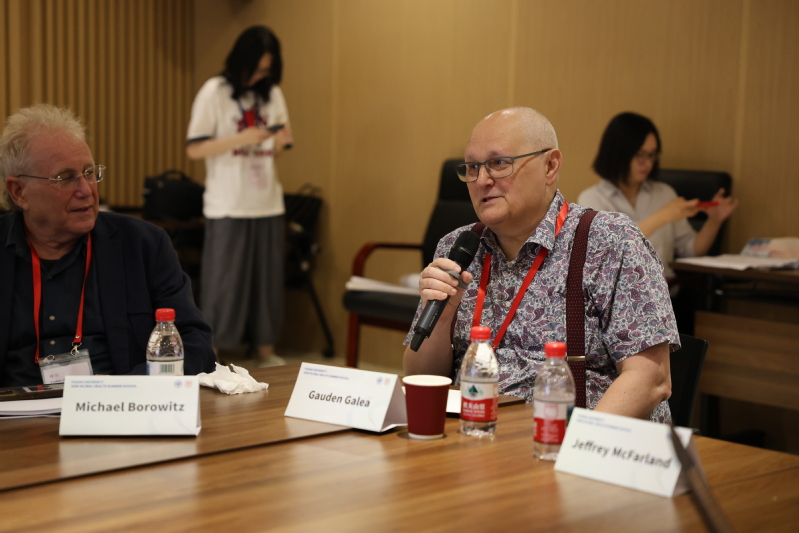 Professor Gauden Galea, fellow of the Faculty of Public Health, Royal College of Physicians (UK), and honorary professor at the University of Malta, participates in a group discussion
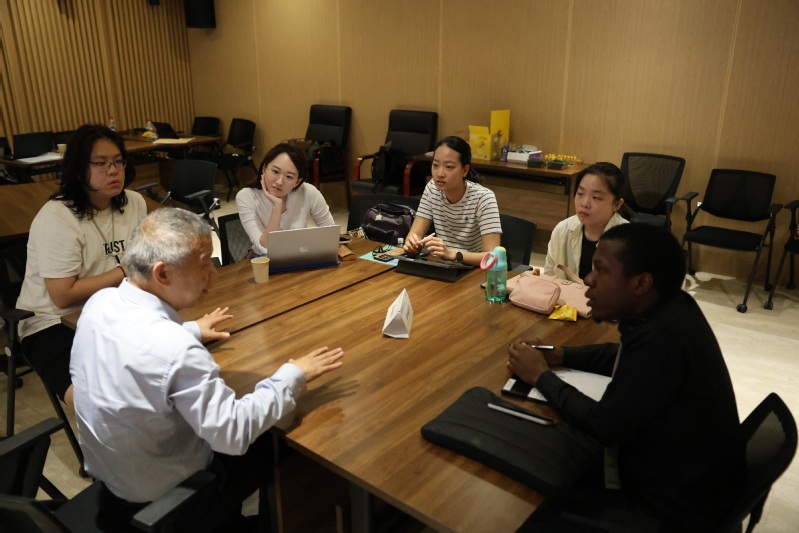
 Jeffrey McFarland, Former Medical Epidemiologist at the United States Centers for Disease Control and Prevention, participates in a group discussion
 Professor ZHAO Jinkou, an expert in global health, responds to questions from participants
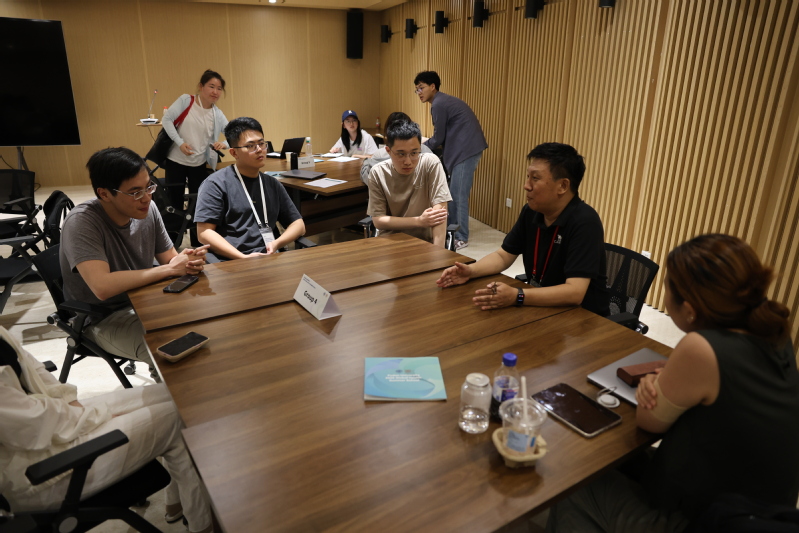 Group activity at the Global Health Summer School
Professor ZHAO Jinkou, outlined the summer school’s four core modules: Global Health Concepts & Programs, Global Health Governance, Global Health Financing, and Global Health Practice. The program used Task-Based Group Learning (TBGL) throughout, combining real-world global health cases with cutting-edge research. Immersive, problem-oriented discussions and highly participatory activities helped participants develop multidisciplinary perspectives and a global outlook while strengthening their ability to analyze and solve real-world problems. A newly introduced mock negotiation exercise further built practical skills in global health diplomacy through scenario-based training.
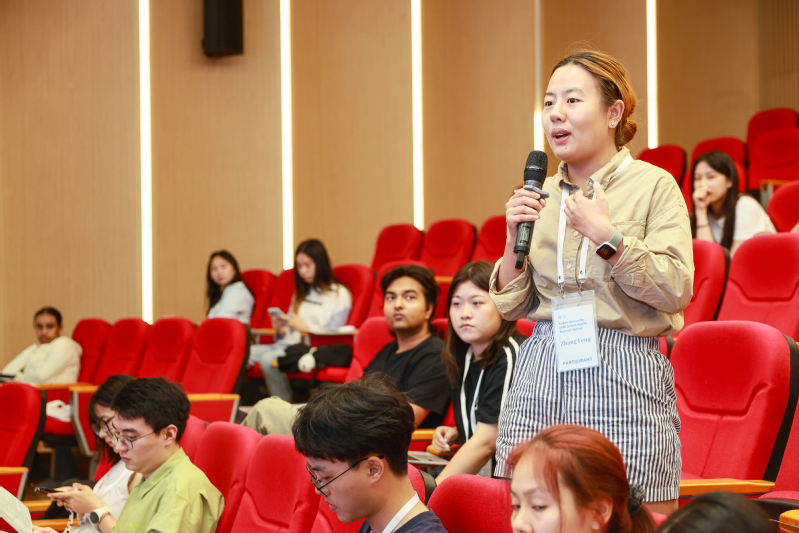
Beyond the classroom, the optional Global Health in the Field module ran alongside the core curriculum. On July 10, participants visited the Jiangsu Institute of Parasitic Diseases, where experts presented case studies on schistosomiasis and tropical disease control in Africa. Laboratory tours gave participants a first-hand view of the technical approaches and operational systems used in tropical disease prevention and control.
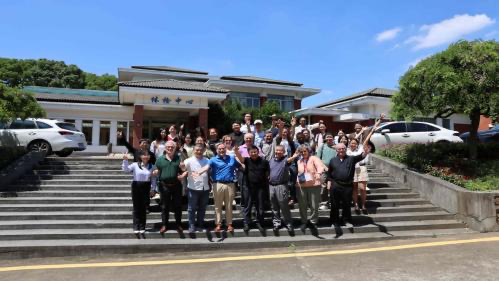
Participants also visited the Shanghai History Museum and the Dapuqiao Subdistrict Community Health Service Center on July 16. By exploring Shanghai's urban development and primary healthcare delivery, they gained a closer understanding of Healthy Shanghai in action, further broadened their multidisciplinary and global perspectives, and strengthened their capacity to analyze and address complex practical challenges.
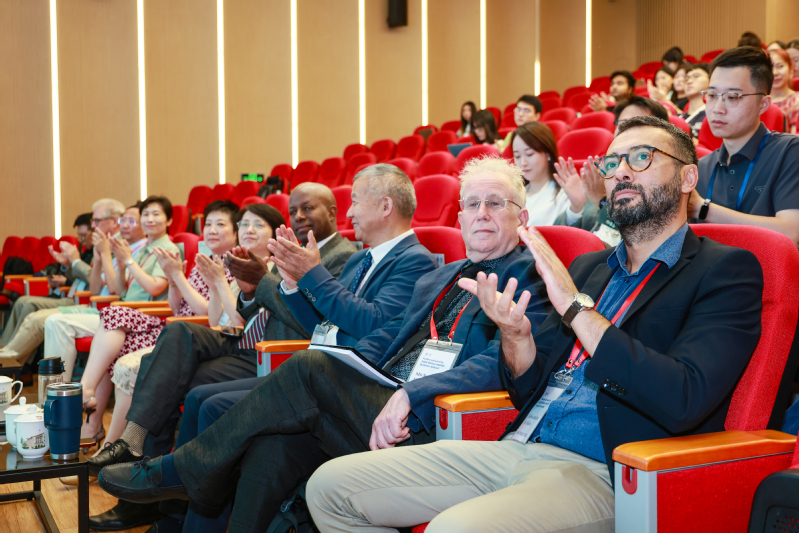
Co-creating the Future of Global Health
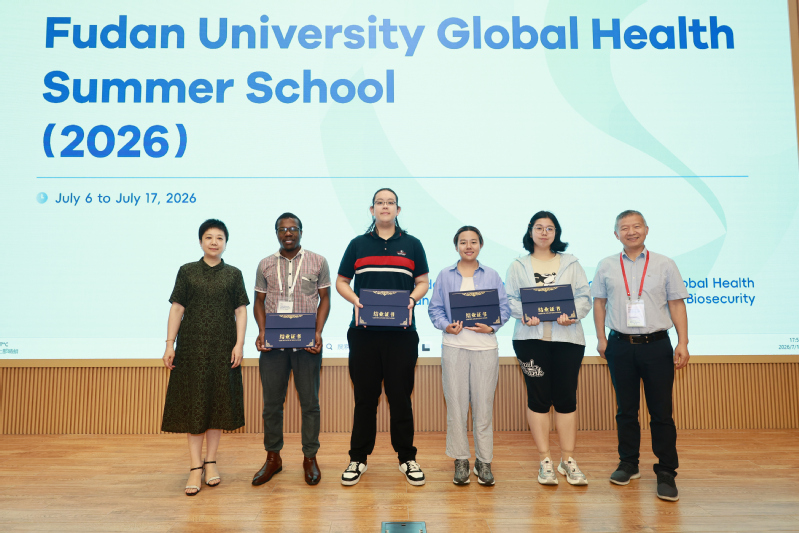
Professor WU Fan and Professor ZHAO Jinkou present certificates of completion to participants
At the closing ceremony, WU Fan and ZHAO Jinkou jointly presented a certificate of completion to each participant. The two-week Summer School concluded with the hope that participants will carry forward the knowledge, cross-cultural perspectives, and spirit of collaboration gained through the program and contribute to the future advancement of global health.
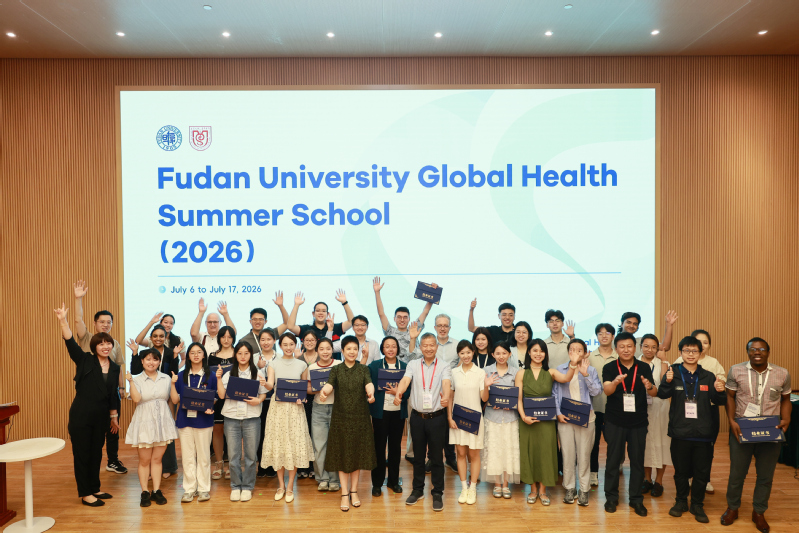
Closing Ceremony
Since the inaugural Global Health Summer School in 2025, the program has brought together more than 100 young scholars from over 10 countries across four continents. Through a diverse, cross-cultural learning platform, it has built a bridge for international exchange and collaboration in global health that combines intellectual depth with a human touch. Through these two cohorts of Fudan's flagship international graduate summer school in the medical track, the Fudan Institute for Advanced Studies in Global Health and the Shanghai Institute of Infectious Disease and Biosecurity will continue to work with leading academic institutions and public health agencies worldwide to build consensus on global health governance. The two institutions will also contribute practical Chinese approaches and Fudan expertise to major global health priorities, including emergency responses to emerging infectious diseases, sustained epidemic prevention and control, and the advancement of universal health coverage.
(END)
Source: Office of International Cooperation of Shanghai Medical College, Fudan University