As graduation season rolls around, Venezuelan student MiliCen Wu is crossing a significant threshold, as a preparatory student ready to step into her undergraduate journey. This month, she will complete Fudan University’s One-Year International Student Preparatory Coursehosted by the International Cultural Exchange School (ICES) and will soon enter the School of Journalism as a freshman majoring in Communication.
For Mili, the preparatory year has been a bridge between worlds—academically, culturally, and personally.

By the time Mili arrived at Fudan, she had already woven together multiple cultural threads: a Venezuelan birthplace, a childhoodin Jiangmen of Guangdong Province, Costa Rican schooling, and an American-style international high school education—a blend of Latin warmth, Chinese roots, and North American structure.
Mili’s decision to apply to Fudan’s Preparatory Course was shaped by a search for balance. She had been torn between staying abroad for high school or returning to China for university. Shanghai offered what she calls “half China, half overseas”—a city that let her reconnect with her heritage while keeping the international exposure she valued.
The program itself matched her needs precisely. The Preparatory Course is designed as a bridging year for international students planning to pursue undergraduate degrees at Fudan. It offers intensive Chinese language training, academic Chinese for university-level writing, and foundation courses in math and sciences—all aimed at closing the gap between high school and university expectations.
For Mili, what mattered most was the structure: the program allowed her to strengthen both her cultural knowledge and academic skills while participating in campus life. It wasn’t just language prep—it was a full immersion that let her test-drive university life before committing.
The Bridge Year
The Preparatory Course’s core curriculum requires all students to take Comprehensive Chinese, Academic Chinese, and Mathematics.
Mili’s Comprehensive Chinese class brought language to life through idiom stories and cultural deep-dives. She remembers one lesson traced four-character idioms back to their historical origins, transforming vocabulary memorization into cultural exploration. “I grew up speaking Chinese at home,” she explains, “but I’d never understood the stories behind the words.”
Debates in Comprehensive Chinese class on topics ranged from “should you call off a wedding if you’ve fallen out of love?” to “should you let them knowif you could foresee a person’s death?”Her fellow classmates came from Malaysia, Indonesia, the UK, Hungary, etc., each bringing different cultural perspectives.
The math course, however, was a different story. Her first test left her stunned—not just because it was hard, but because she'd learned all her math in Spanish.
Her solution was methodical: preview the teacher’s slides before class, watch Chinese mathtutorial videos to fill knowledge gaps, and attend Friday tutoring sessions where a math graduate student would break problems down step by step. “The tutor wasn’t much older than us, so the communication was easy,” she says. “He’d explain the logic in Chinese and switch to English when we got stuck.”
Beyond the Classroom
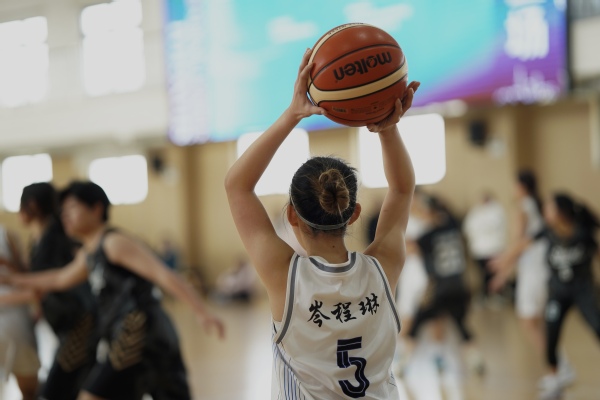
The preparatory year wasn’t all about coursework. For Mili, basketball became her anchor. She joined Fudan’s women’s basketball team, training three times a week from 8 PM to 10:30 PM, and played in Fudan’s “Shuyuan Cup”, where her team won the championship and she was named Best Player.
“Basketball is about teamwork,” she says. “It’s not one person’s game. You need five people working together.”
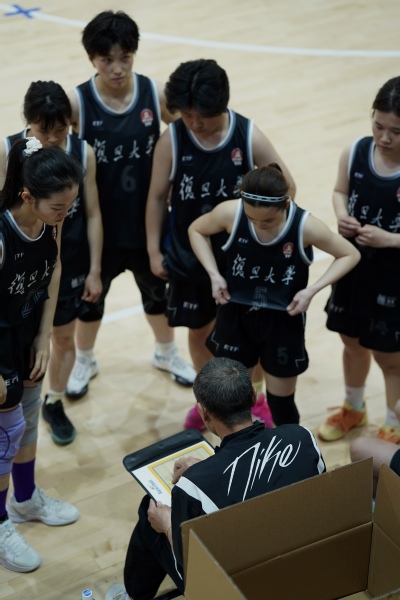
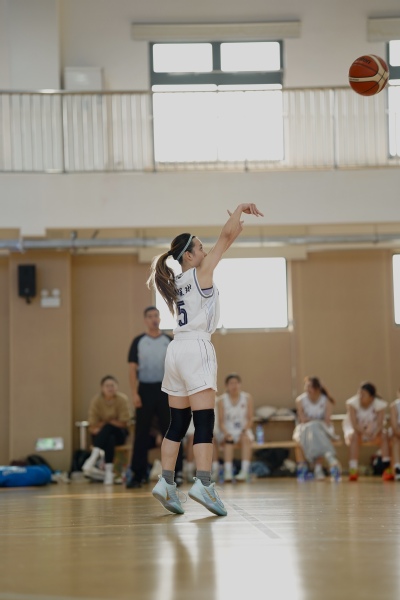
Through the team, she connected with Chinese undergraduates, graduate students, and even PhD candidates who became mentors and friends. They helped with papers, recommended restaurants, and shared stories about campus life. Sports gave her a community when the academic workload felt overwhelming.
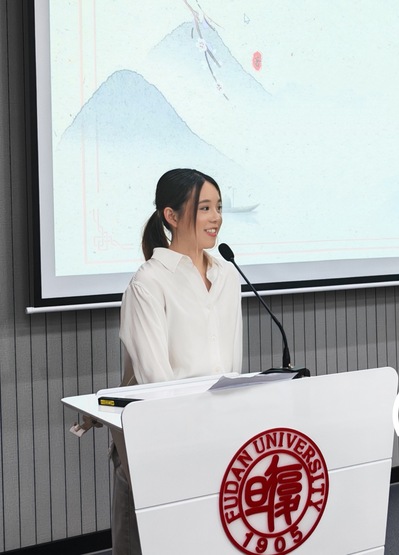
A few weeks ago, she competed in ICES’“China Through My Eyes”speech contestand won first place. “I almost didn’t sign up,” she admits. “But my teacher kept encouraging me. She said, ‘You’ll get a good result.’ Her confidence became my confidence.”
The Cultural Chameleon
One of the most striking things about Mili is how naturally she navigates cultural difference. She grew up in three distinct environments: the family-based Chinese culture, the warm intensity of Latin America, and the individualistic style of North American international schools.
She doesn’t see these as contradictions. “I can switch between them comfortably,” she says. “If I’m in China, I nod and keep a bit of distance. If I’m in Latin America, I kiss them on the cheek and give them a hug.”
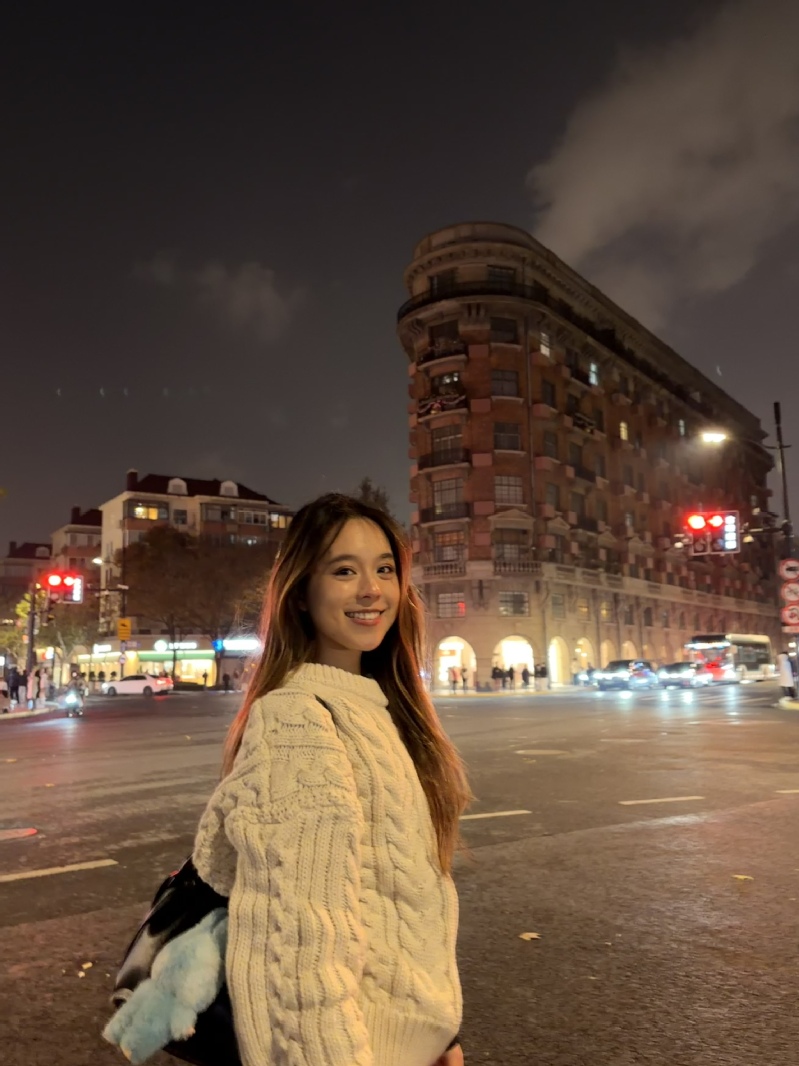
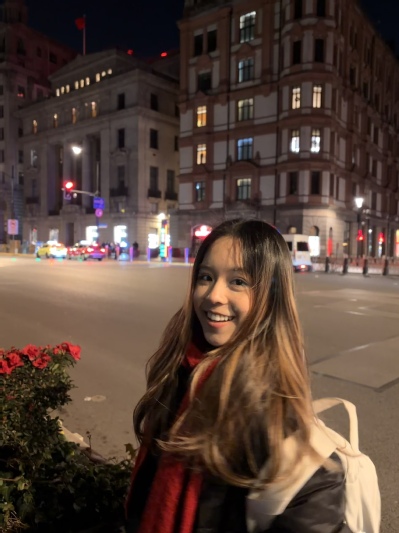
Living in Shanghai has deepened her understanding of China in ways her childhood couldn’t. She rents an apartment off-campus—her first time handling a contract independently, with her brother’s help reviewing the fine print.
“It’s about becoming independent,” she says. “You have to pay attention to hidden costs, check the terms. It’s a different kind of learning.”
From Preppy to Undergraduate
This month, as Mili graduates from the Preparatory Course and looks ahead to her Communication major, she sees a clear through-line connecting her past, present, and future. Thecourse’s curriculum, particularly the Academic Chinese training in research writing, which took her from literature reviews and survey design to full academic essays, has already given her a head start on the skills she’ll needin the School of Journalism.
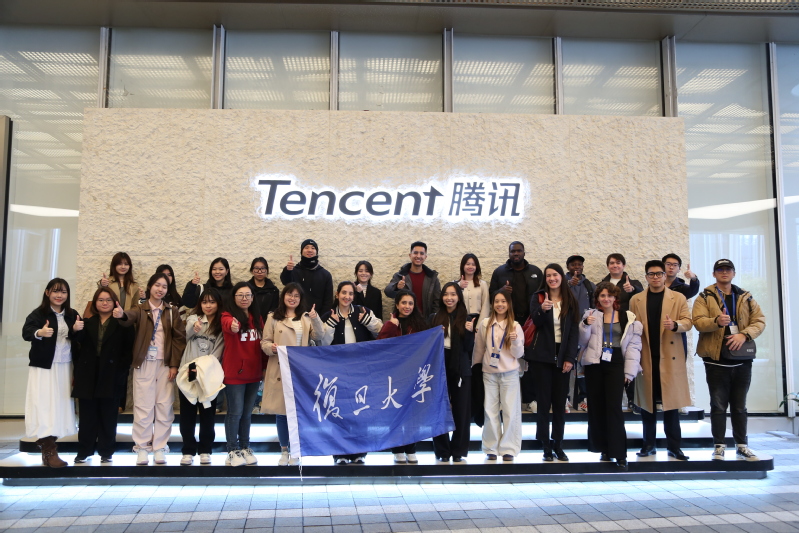
She chose Communication because she believes it will be essential in today’s media-driven economy. Her long-term goal is equally focused: work in China for a few years, then apply what she’s learned to help her parents’ business back in Venezuela grow. She has already begun putting those skills to the test: last semester, she joined a company visit to Tencent, toured the data labs, and wrote an event report that was later publishedon the social media account of Fudan’s International Students Office.
“The preparatory year is indispensable,” she says. “The basketball championship, the Best Player award, the speech contest winare all the things that built my confidence for undergraduate studies.”
What She’d Tell Future Students

Mili’s advice to incoming preparatory students is direct: “Don’t be afraid of the initial gap. It’s completely normal.”
She remembers the first math test that made her doubt herself. She remembers the debates where her logic got tangled because her language systems were fighting each other. She remembers losing to the team they eventually beat in the final.
“Every challenge, every attempt—it all becomes the foundation for your future. Don’t be afraid to try things. Join extracurriculars. Compete. Debate. Make mistakes. And enjoy this moment—you’ll find your direction here.”
For international students weighing their options, Mili’s story offers a clear answer: the preparatory year isn’t just about catching up. It’s about finding out who you can become when you’re given the space to try.
Presented by Fudan University Media Center
Writer: LI Yijie
Editor: WANG Mengqi
Video by LI Yijie