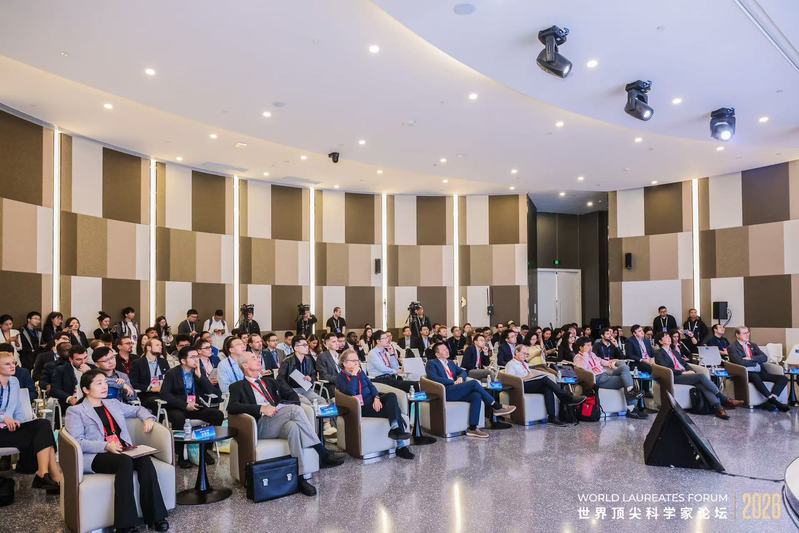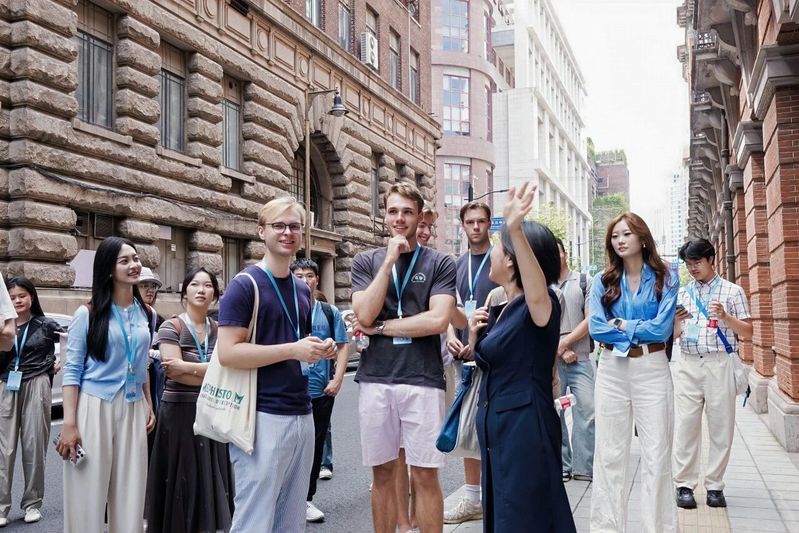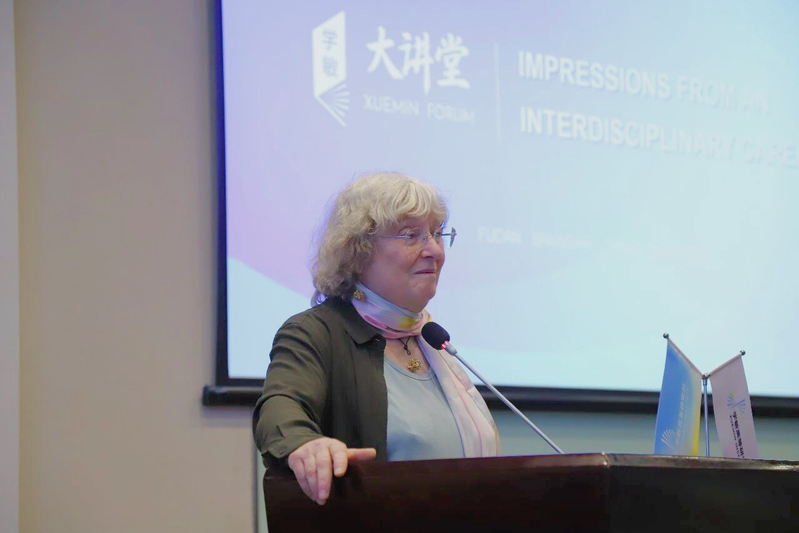
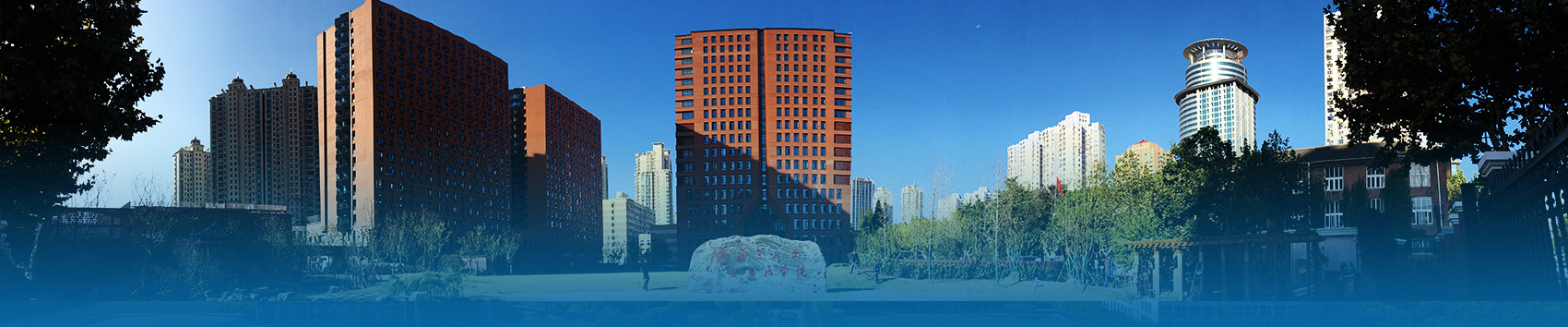
The 2026 World Laureates Forum (WLF) Young Scientists Conference was held on October 30 at the Lingang Center in Shanghai. Under the theme “The Next Decade: Youth Define Questions, Science Reshapes the Future,” it brought together distinguished international scholars and more than 80 young scientists from around the world.
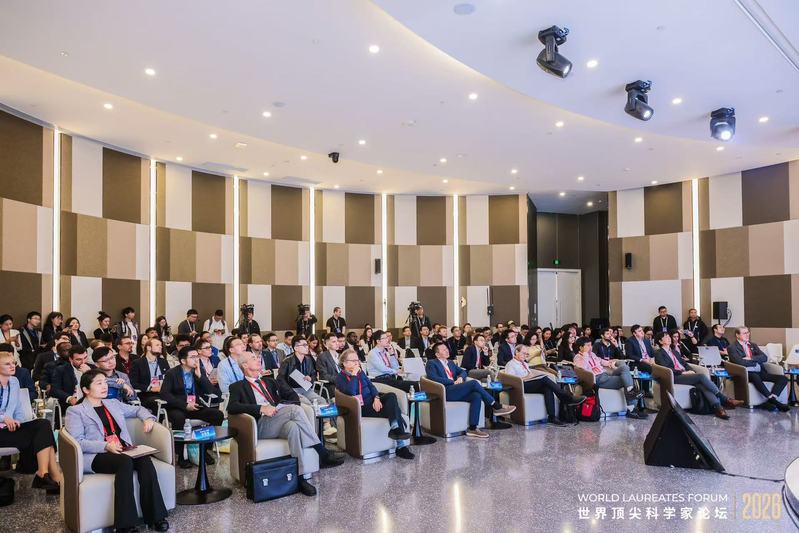
The event was hosted by Fudan University, co-hosted by the Center for Professional Training and Services of the China Association for Science and Technology and the Shanghai World Laureates Association (WLA Development Foundation), and organized by Fudan University’s Xuemin Institute of Advanced Studies and the Shanghai Xuemin Innovation Center.
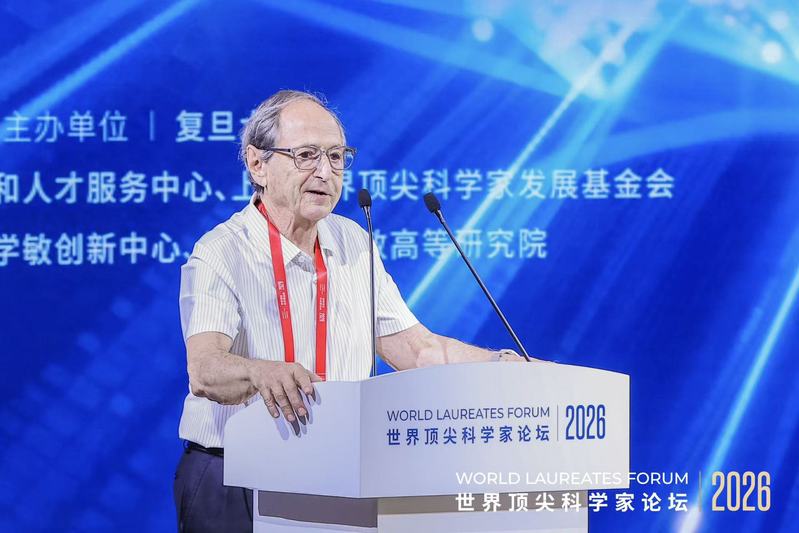
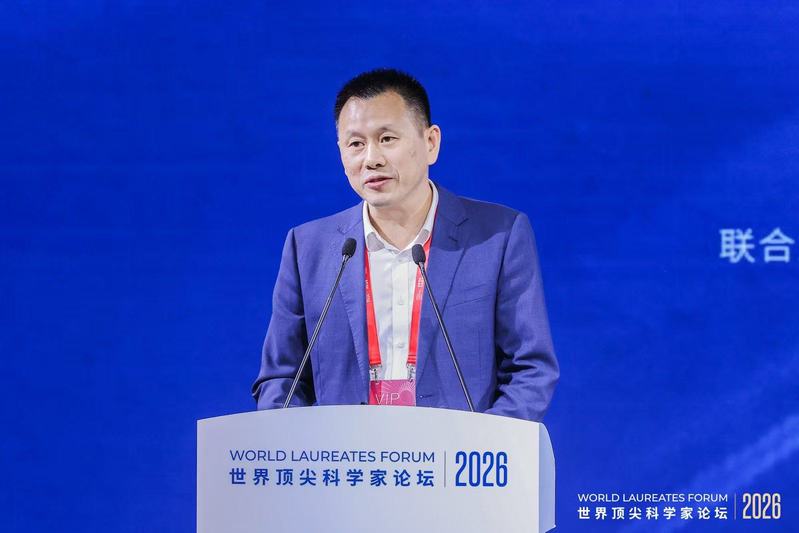
Nobel laureate Michael Levitt and academician of the Chinese Academy of Sciences PENG Huisheng delivered opening remarks, stressing that in the AI era, asking the right scientific questions matters more than ever.
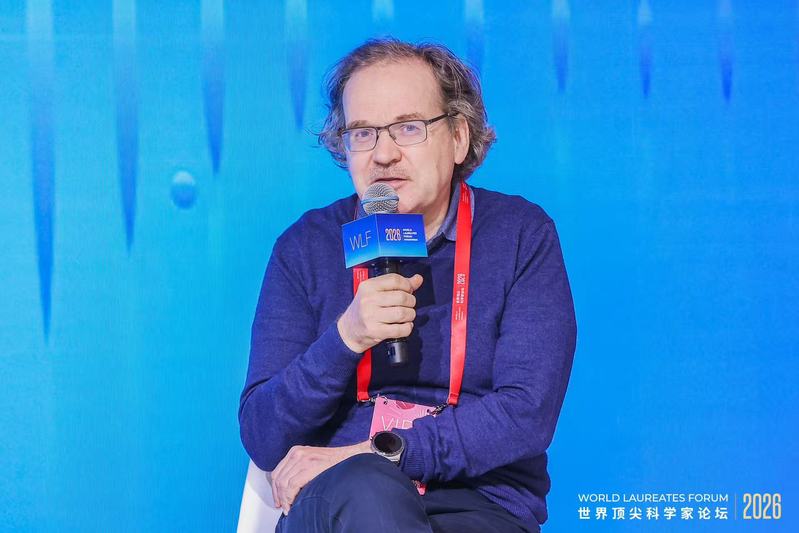
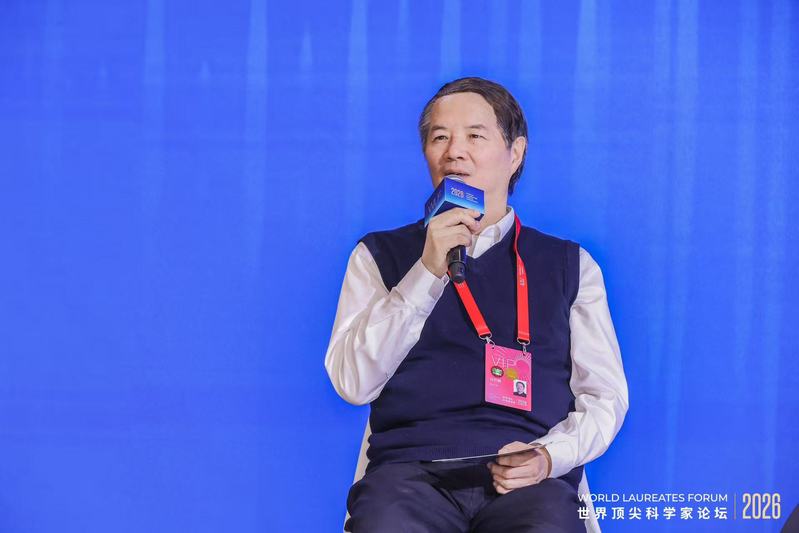
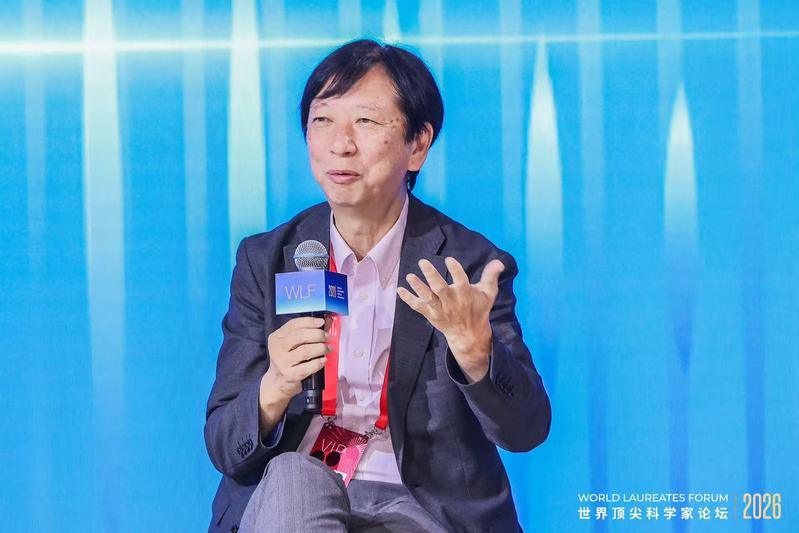
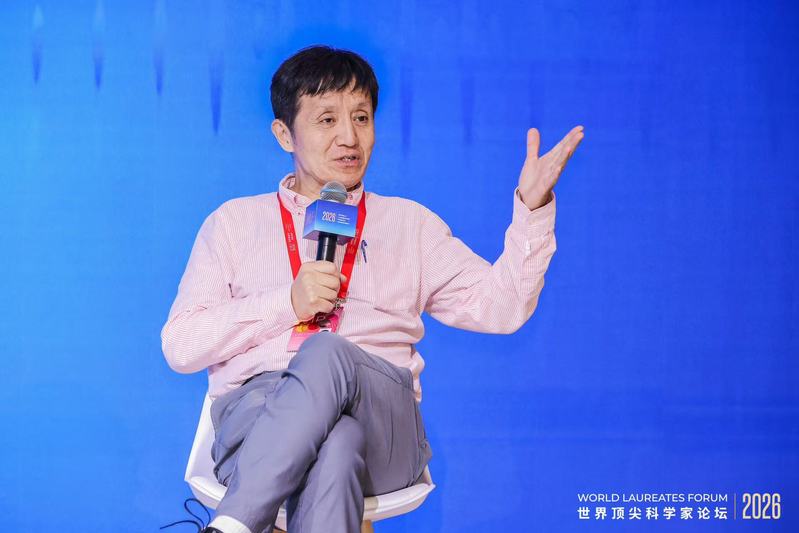
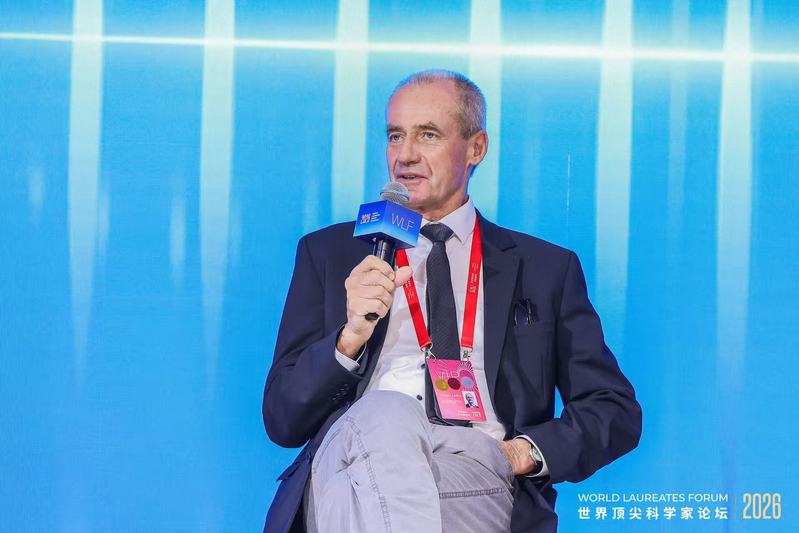
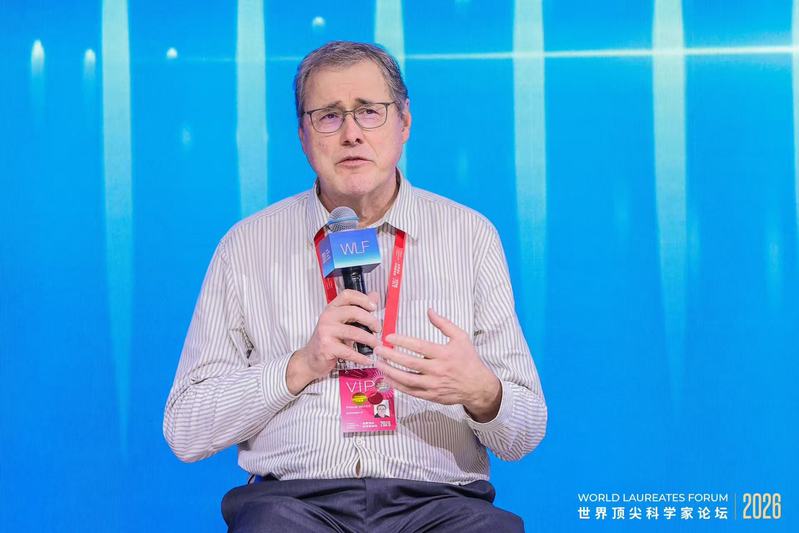
Other leading scientists attending included Pascal Mayer, the 2026 Wolf Prize laureate in Chemistry, honorary chair of the University of Strasbourg Institute for Advanced Study, and co-founder and CEO of Alphanosos; Jürgen Caro, the 2020 Eni Award recipient for Advanced Environmental Solutions and professor emeritus at Leibniz University Hannover; Makoto Fujita, the 2018 Wolf Prize laureate in Chemistry and distinguished professor at the University of Tokyo; Laurent Lafforgue, 2002 Fields Medalist and senior expert at Huawei France; and LUO Liqun, professor of biology and neurobiology at Stanford University and investigator at the Howard Hughes Medical Institute. The conference was chaired by MA Jianpeng, dean of Fudan University's Institute for Multiscale Research of Complex Systems.
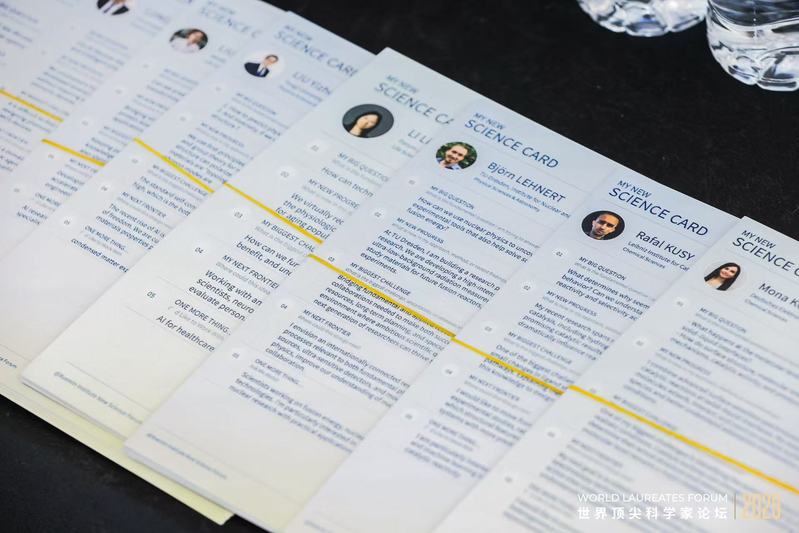
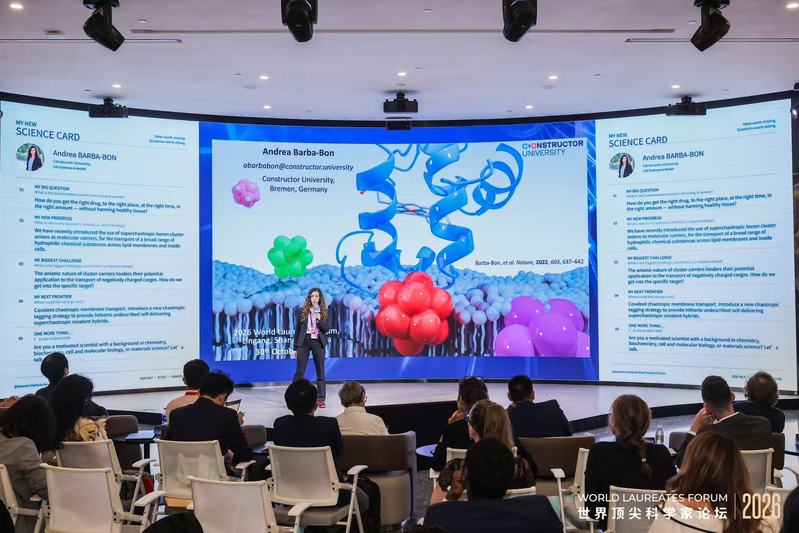
A highlight of this year’s conference was the “Science Card” initiative: each young scientist submitted a card answering five key prompts about their central research question, recent progress in their fields, their biggest challenges, next frontiers, and areas of expertise or desired collaborators. These cards fueled a flash-talk session in which 24 early-career researchers gave two-minute presentations. The talks spanned fields as diverse as artificial intelligence and computing, mathematics and statistics, chemistry and materials science, quantum computing, engineering and technology, life sciences and health, physics and astronomy, and environmental sustainability—sparking a lively interdisciplinary dialogue.
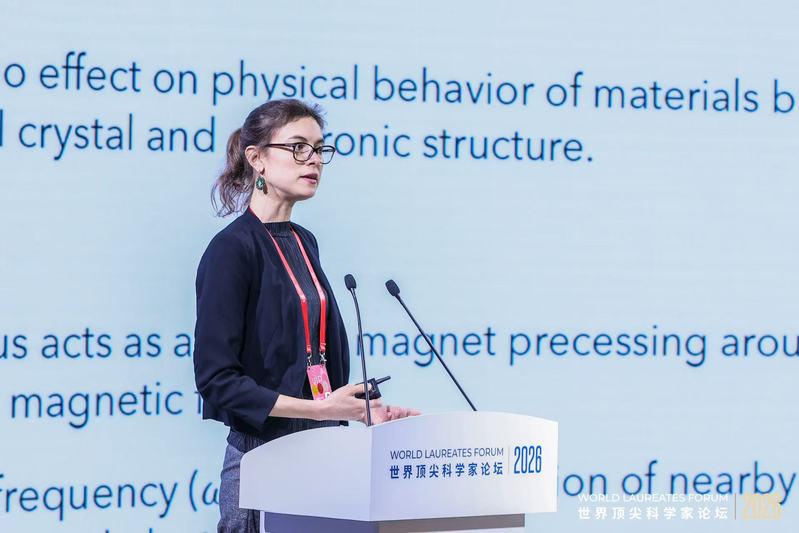
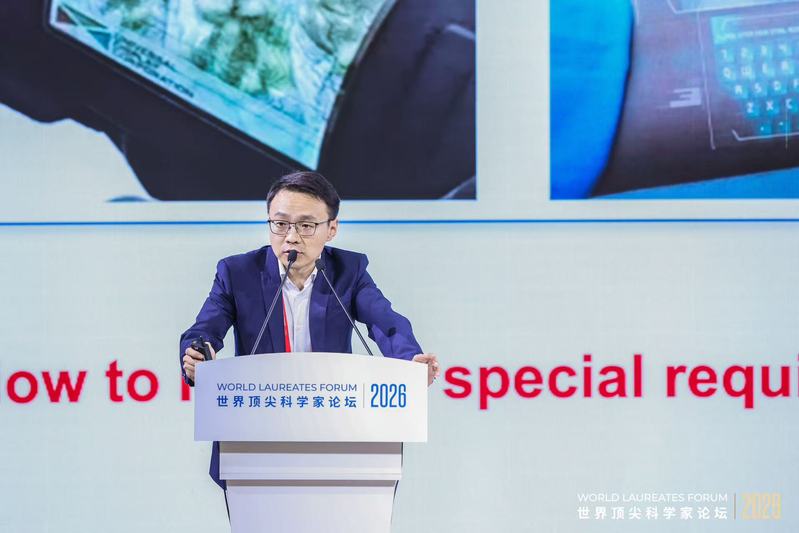
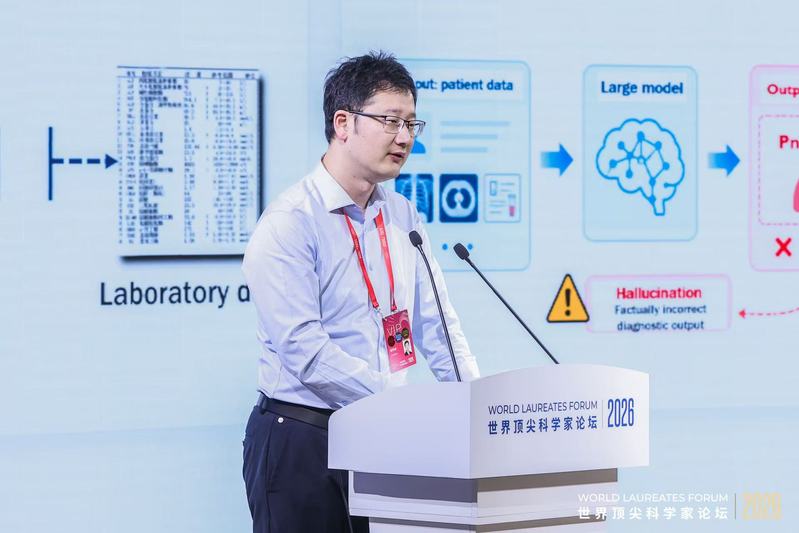
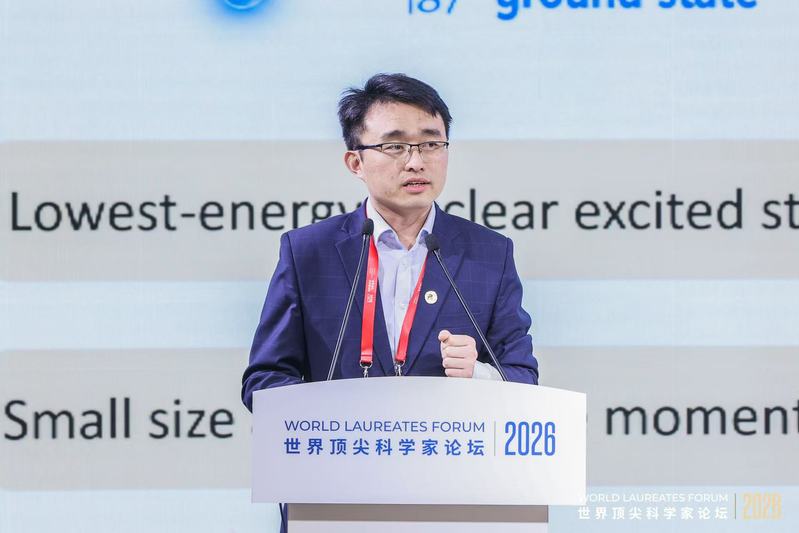
Four recipients of this year’s inaugural WLA Prize for Young Scientists presented their award-winning work: Raphaële Juliette Clément, director of the Max Planck Institute for Solid State Research and associate professor at UC Santa Barbara, on magnetic resonance analysis of batteries; CHEN Peining, professor in Fudan University’s Department of Macromolecular Science, on textile-integrated displays and fiber chips; XIE Weidi, associate professor at Shanghai Jiao Tong University’s School of Artificial Intelligence, on an AI agent for rare disease diagnosis; and DING Shiqian, associate professor at Tsinghua University’s Department of Physics and adjunct research professor at the Beijing Academy of Quantum Information Sciences, on a thorium-229 nuclear clock.
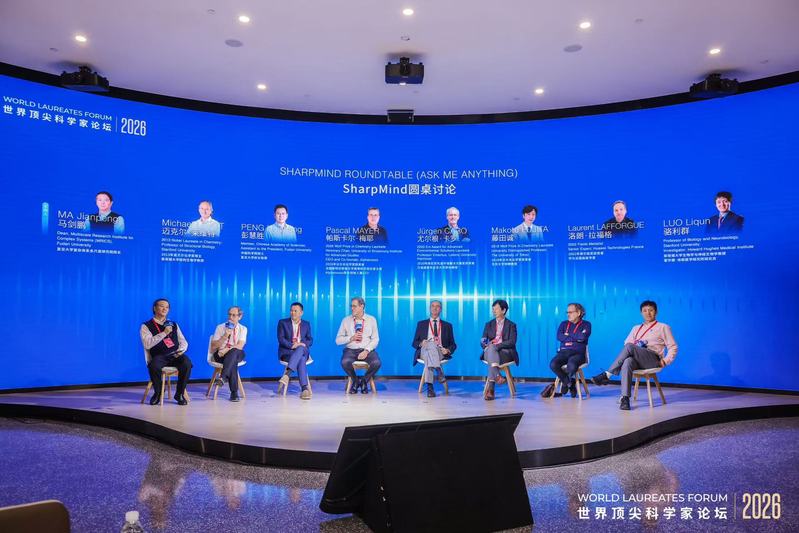
At the concluding SharpMind roundtable, roles were reversed as young scientists questioned the visiting laureates and other leading scholars on issues such as AI’s emerging role in research.
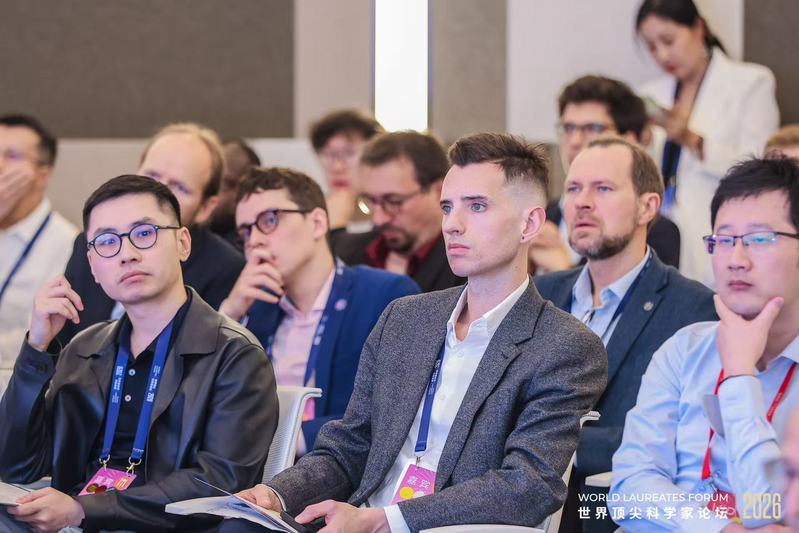
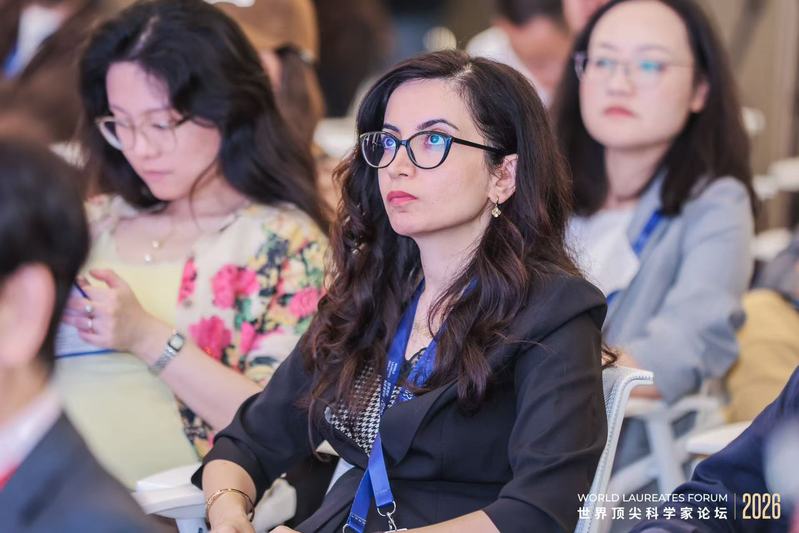
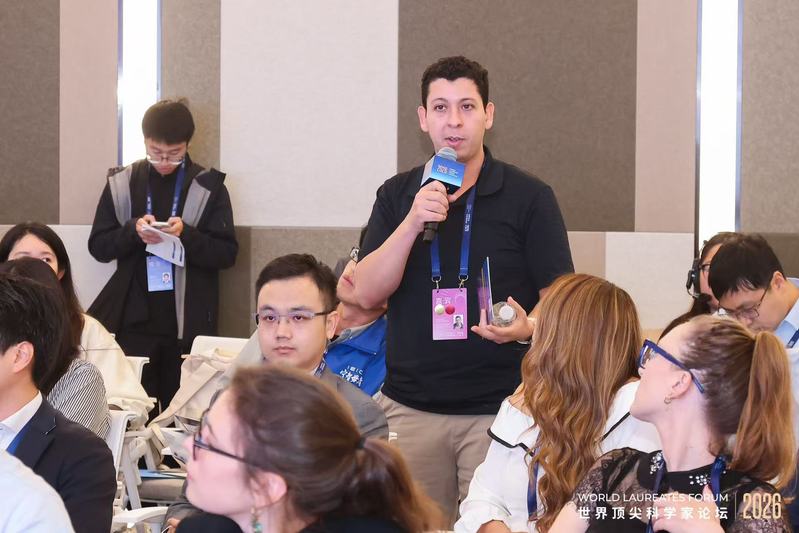
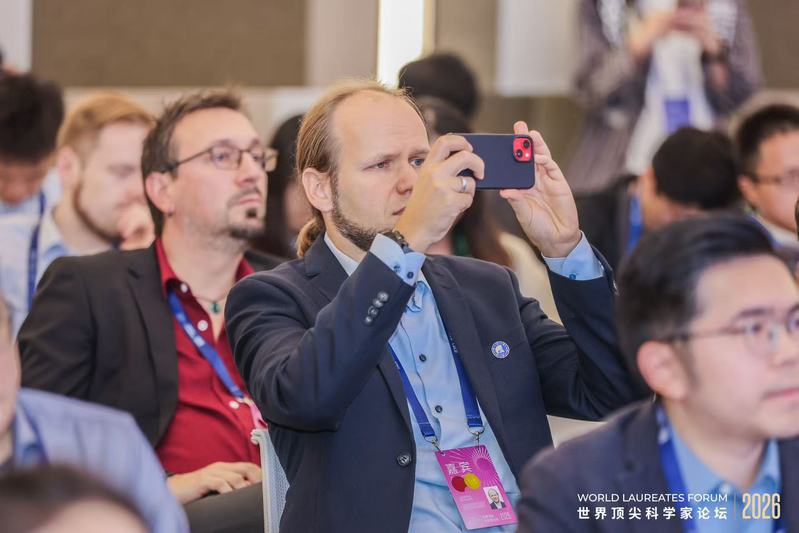
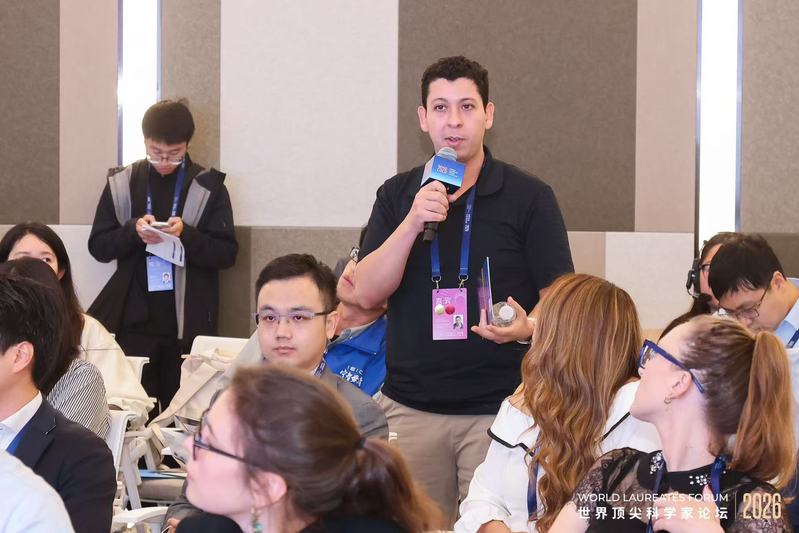
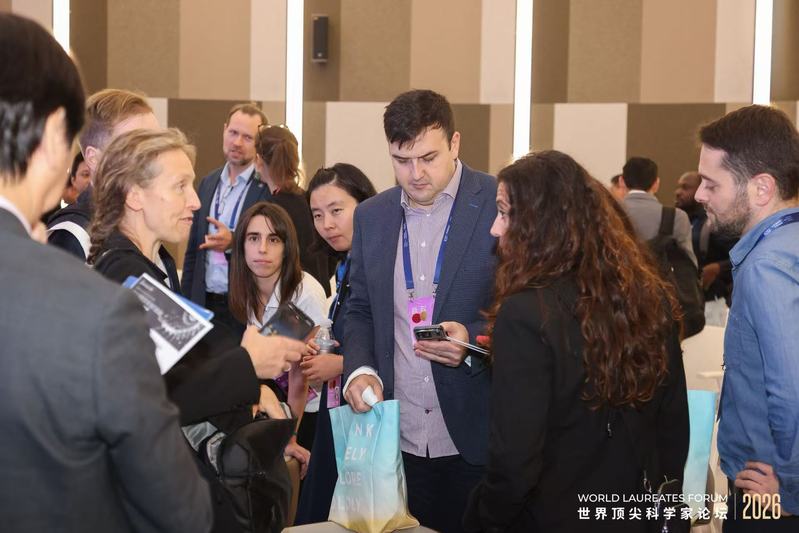
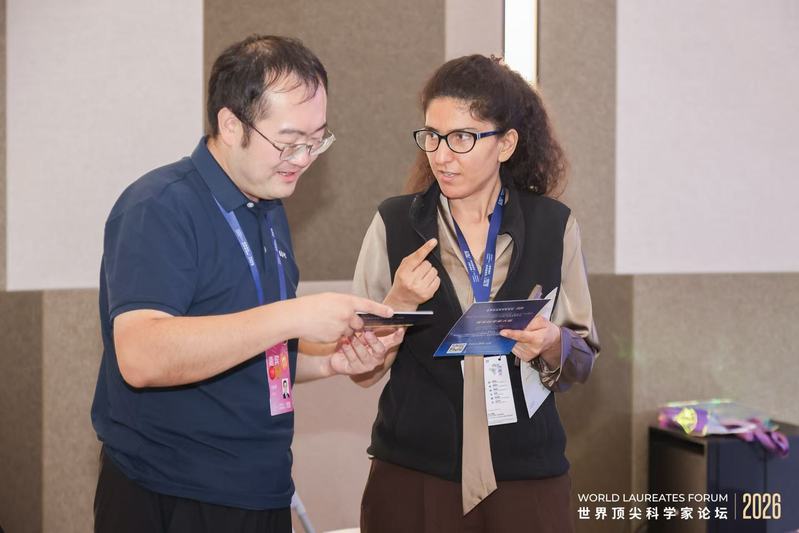
Even after the conference ended, participants stayed on, exchanging “Science Cards” and ideas—perhaps the next decade’s science will begin with exactly their carefully posed questions.
(END)
Writer: LI Yijie
Editor: WANG Mengqi