Scented sachets, the tiny pouches filled with aromatic herbs, boast a history spanning thousands of years. In ancient China, these fragrant accessories served multiple purposes: they provided a personal scent, repelled insects, and conveyed wishes for health and happiness, such as providing a personal scent, repelling insects and conveying wishes for health and happiness. As an item of intangible cultural heritage, the question of how to preserve these sachets and adapt them for contemporary society remains to be addressed.
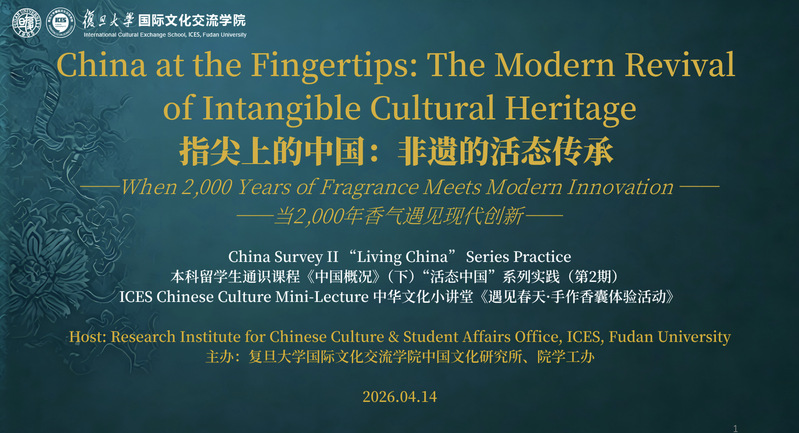
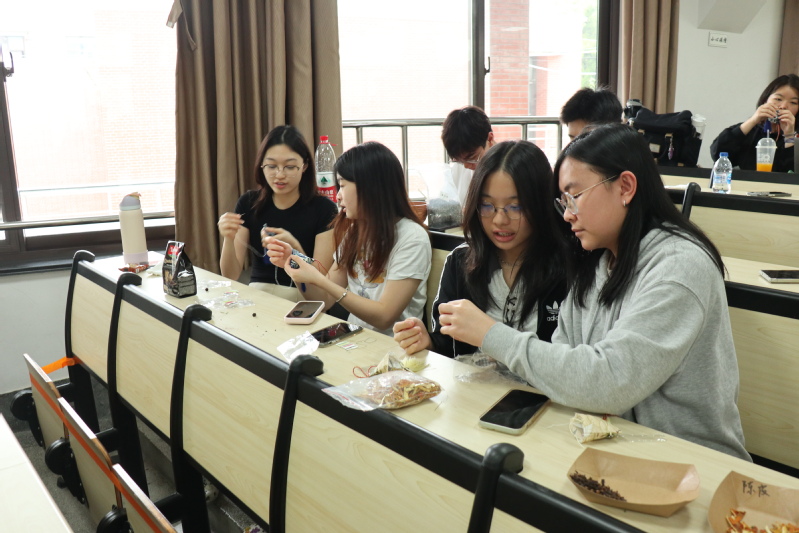
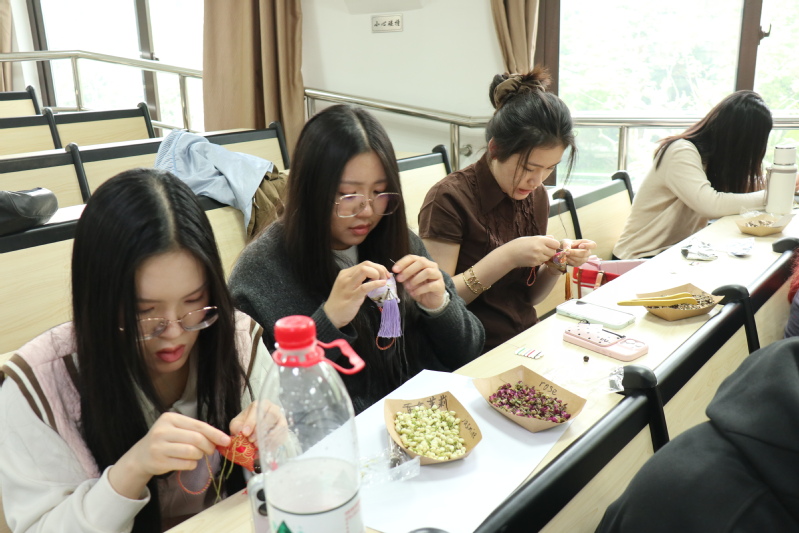
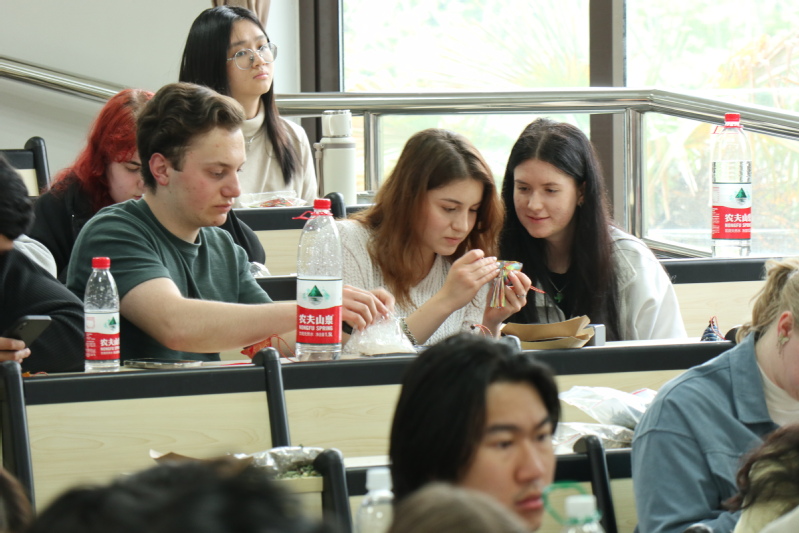
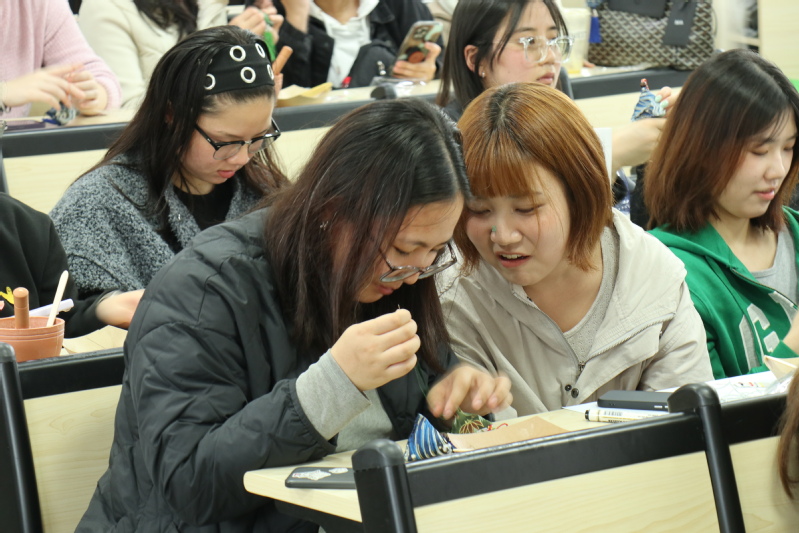
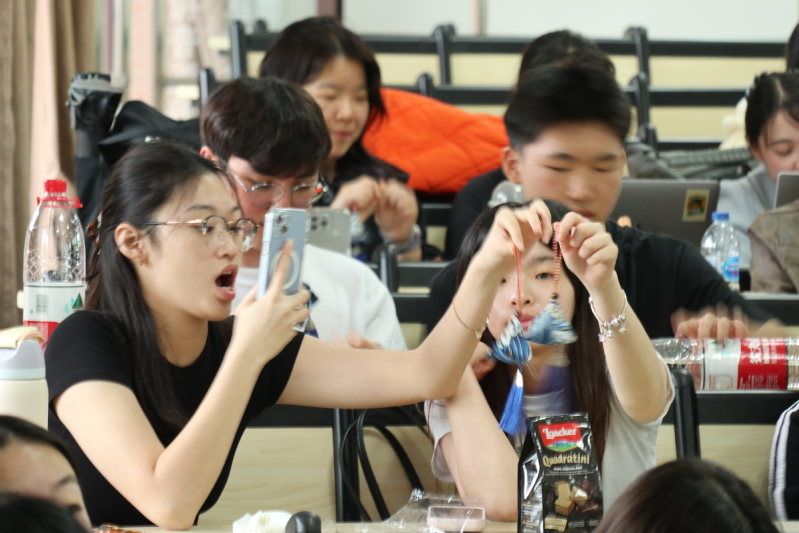
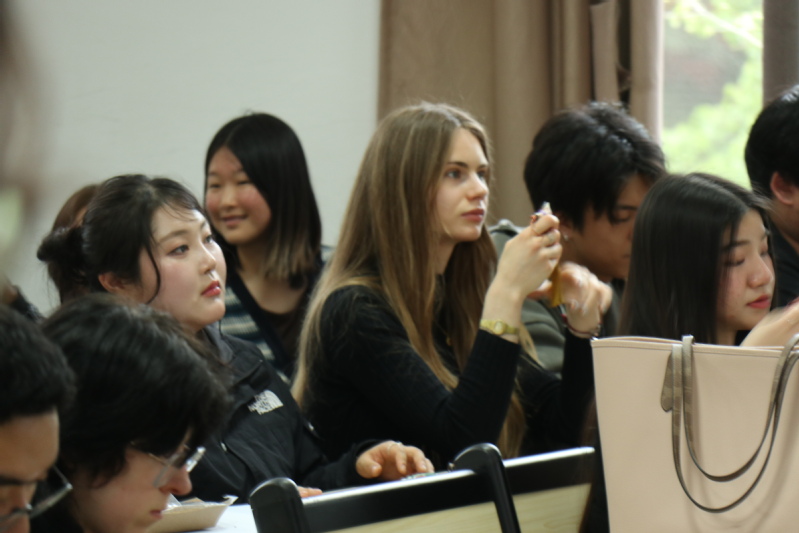
On April 14th, over 150 international students gathered for a special class of China Survey, an English-taught general education course at Fudan University. This event, themed "China at the Fingertips", was co-hosted by the Research Institute for Chinese Culture and the Student Affairs Office of the International Cultural Exchange School (ICES). In the class, they made scented sachets and took on the challenge of revitalizing this heritage.
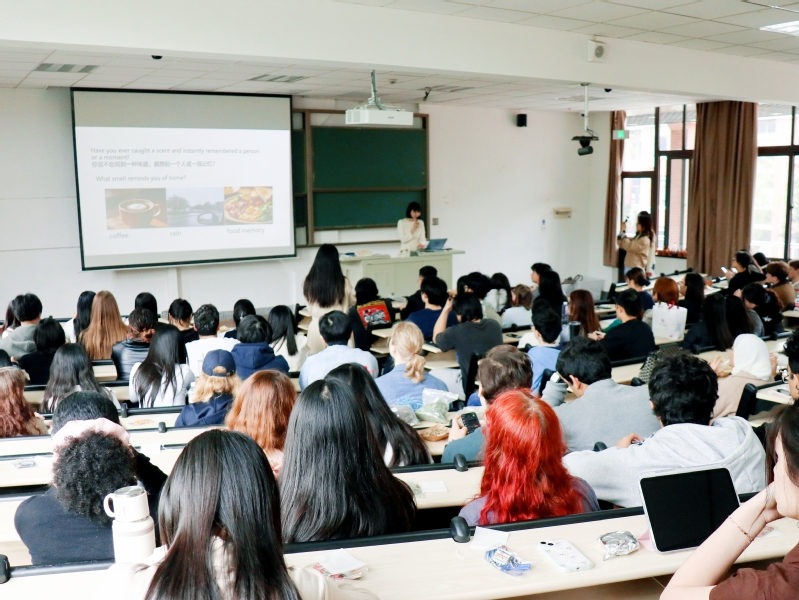
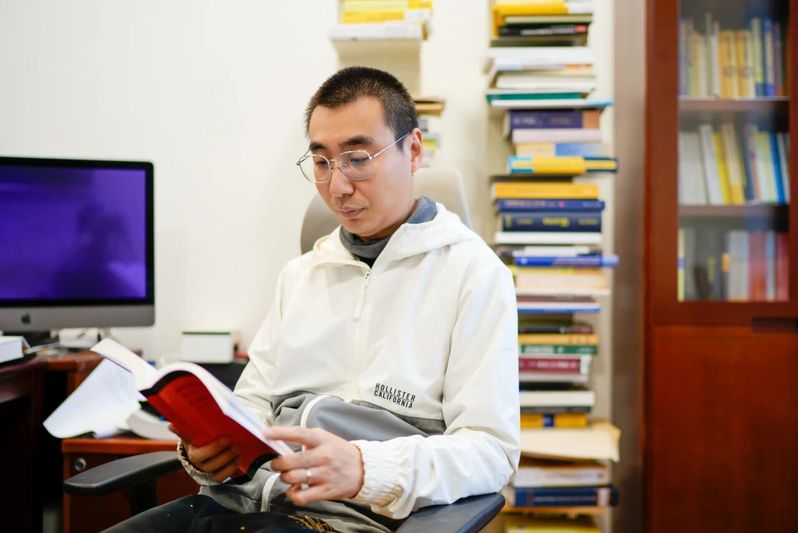
"We're taking Asian heritage out of museum display cases, putting it literally in your pocket, and turning it into an antidote for modern life,"said Dr. ZHANG Lu, course director of China Survey at Fudan’s International Cultural Exchange School, at the beginning of the class.
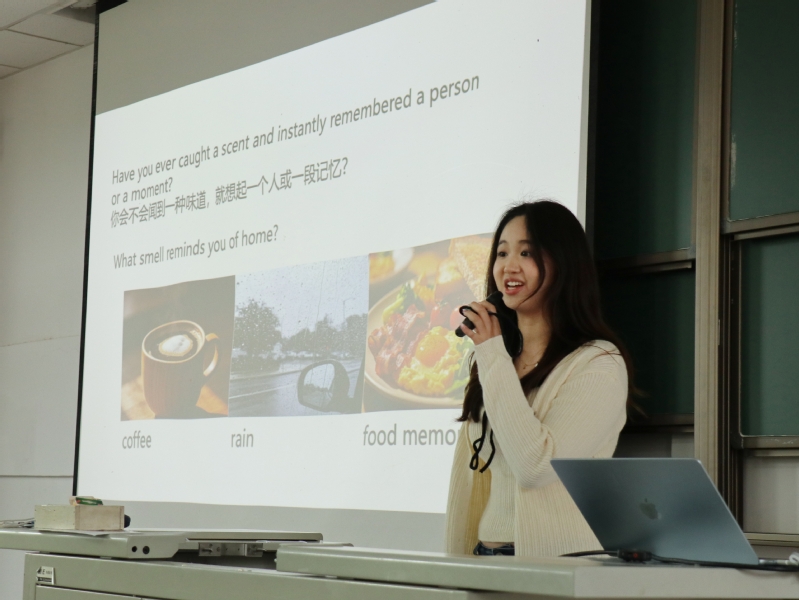
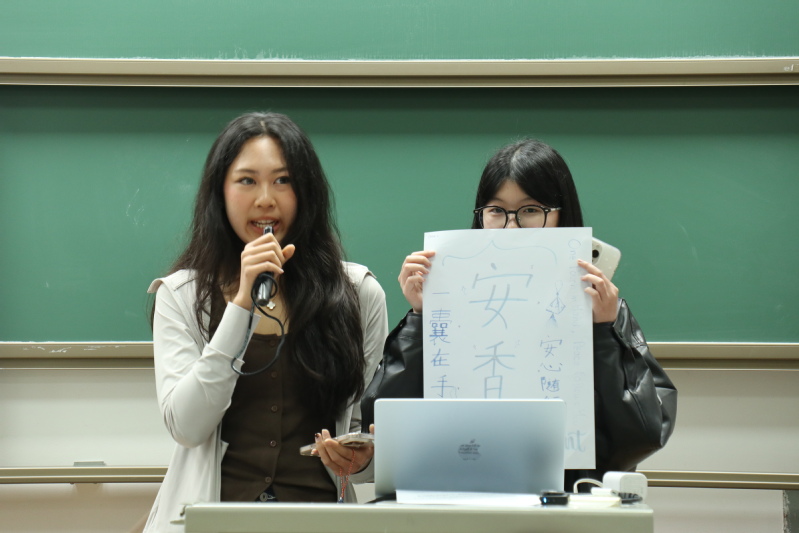
The international students embarked on their fragrant journey by delving into the history, functions, and symbolism of sachets. "A scented sachet is not just a small cloth bag. It carries three wonderful things: lovely scent, warm memories, and sincere good wishes. It's a tiny, beautiful part of Chinese culture that connects smell, love, and tradition, "said RAN Xiaohan, facilitator of this class and graduate student from International Cultural Exchange School.
"Honestly, when I first got in, I was a bit hesitant. But when I sat down and listened to the explanation, it was very clear," said Nay, a student from Myanmar.
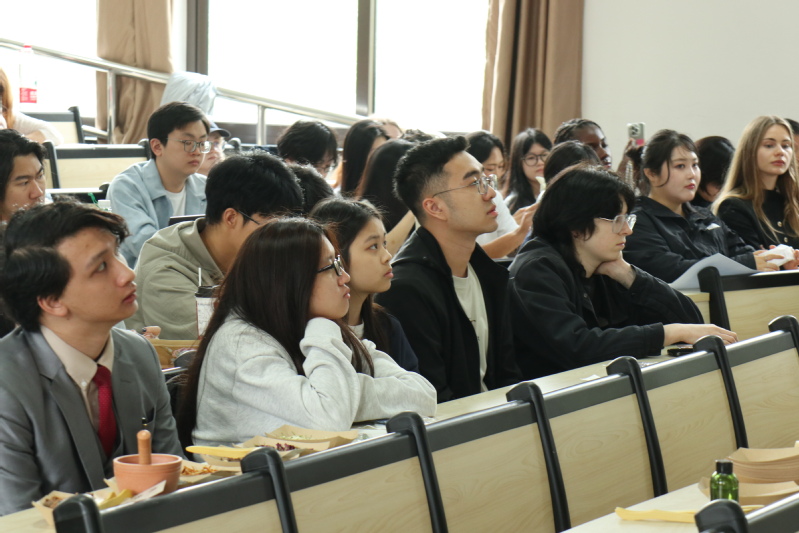
Then came the hands-on session. With the help of teachers and student volunteers, the international students carefully selected their preferred herbs, gently crushed them, and filled the bags before sewing them shut. "I like the smell of the herbs. It sometimes reminded me of my hometown," said Meera, a student from United Arab Emirates.
Calvin, a student from Thailand, was impressed by the hands-on experience of making sachets. "I have seen it a few times around China, but it’s my first time to make it. It’s so cool!" he said.
What makes the event stand out is its departure from traditional culture classes. Breaking away from traditional passive learning, the course team led by Dr. ZHANG Lu pioneered an innovative pedagogical framework—the hybrid "Handicraft + Business Pitch" model. After completing their DIY sachets, the students started designing their innovative proposals, applying "China Chic 3.0" logic to translate ancient Chinese wisdom into universally understood commercial solutions and effectively bridging cultural gaps and addressing global modern anxieties. This commercial transformation not only ensures the sustainable preservation of intangible cultural heritage, but also leverages traditional natural herbs to advance global ecological and mental sustainable development goals (SDGs).
"Unlike China Chic 1.0 — raw materials like herbs or silk — or 2.0's shelf-sitting souvenirs like museum trinkets, the 3.0 era focuses on living transmission. By embedding Challenge-Based Learning (CBL) into our curriculum design, we successfully shifted the students' role from cultural consumers to cultural innovators," Dr. Zhang explained, highlighting the academic rigor behind the event.
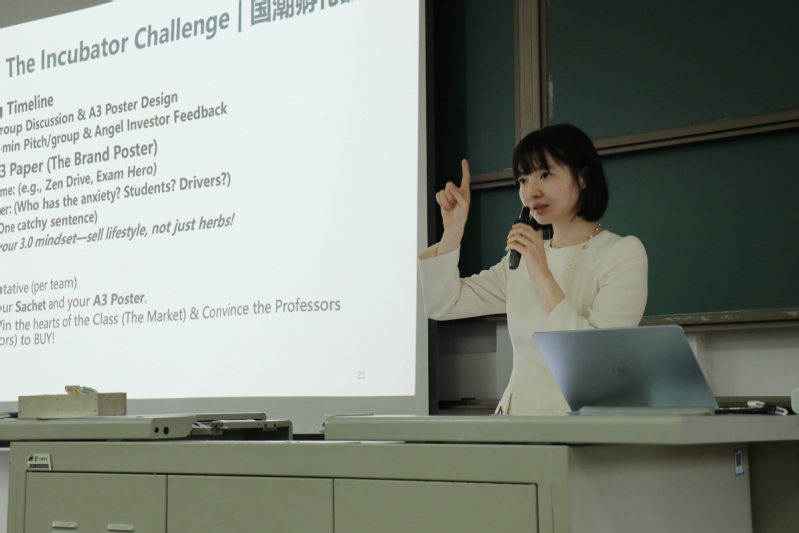
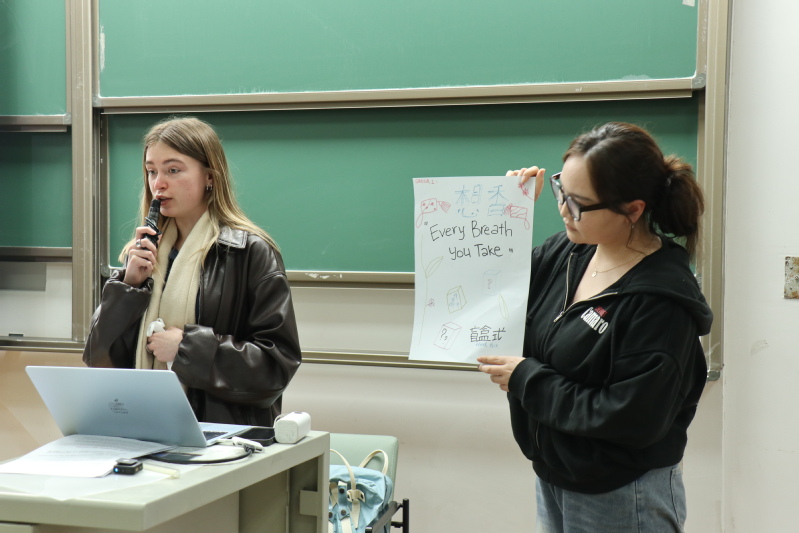
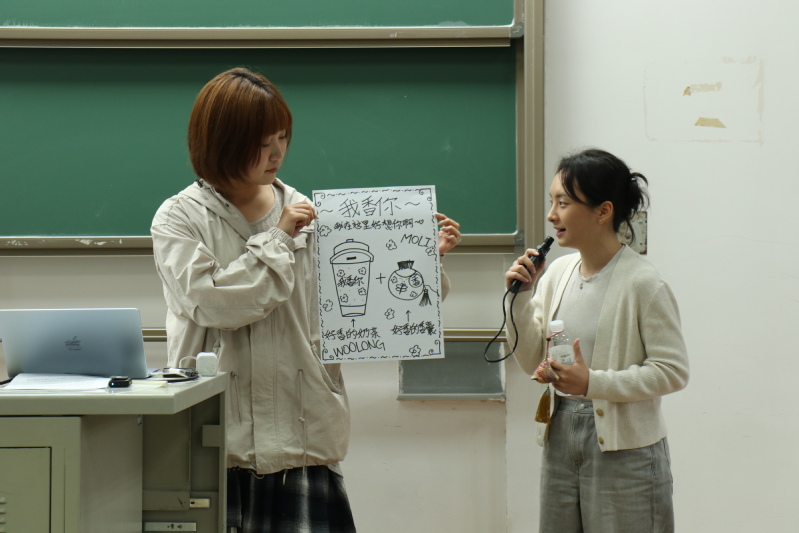
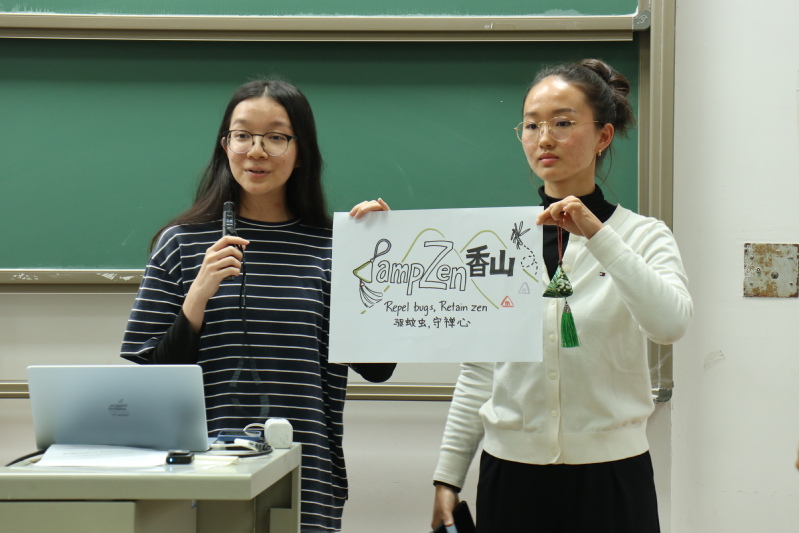
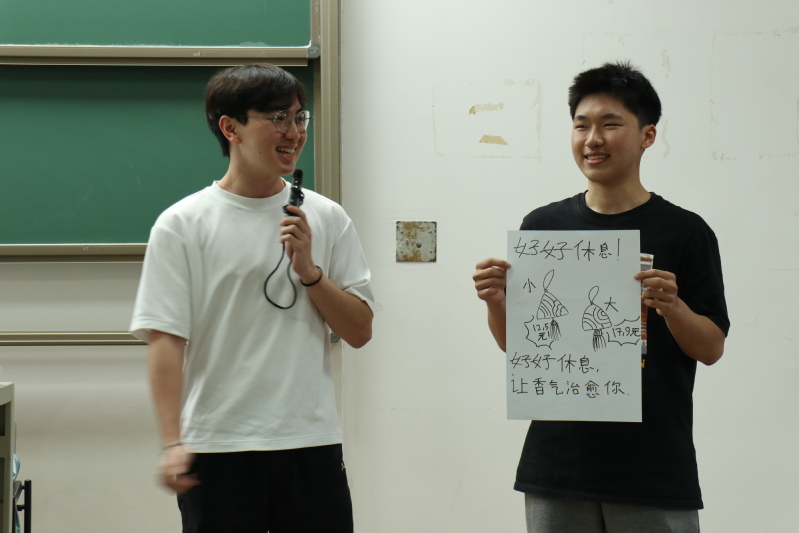
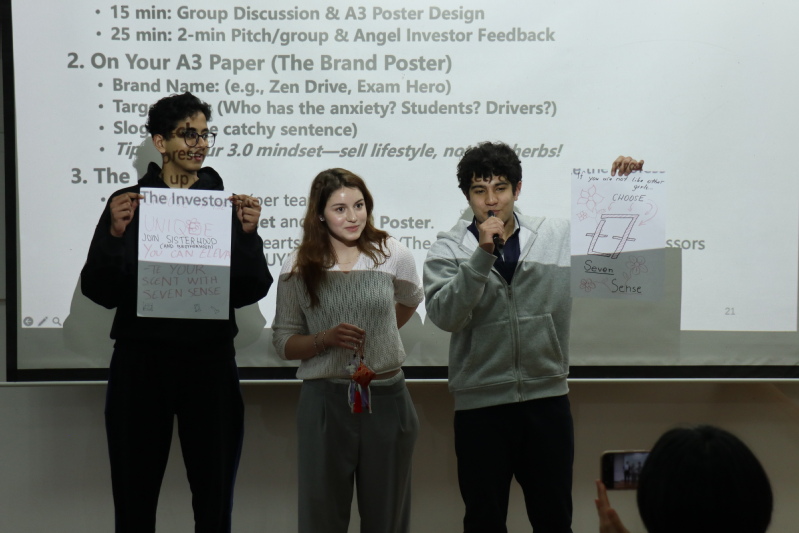
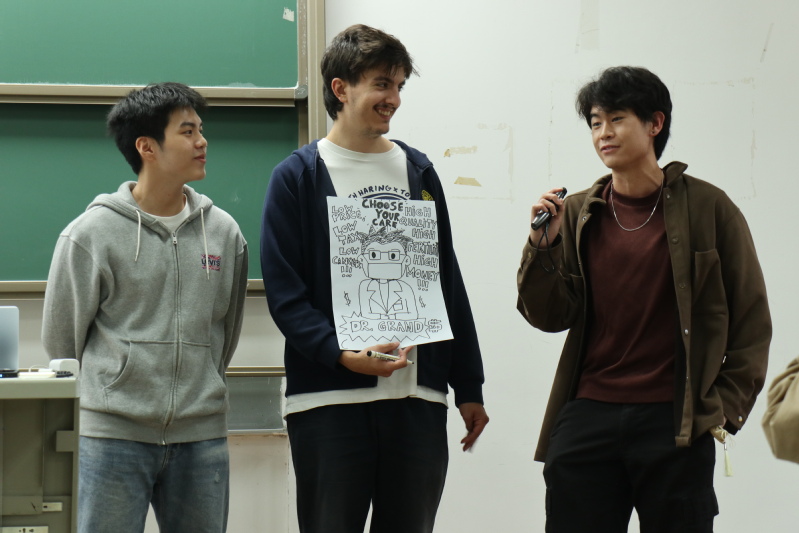
The international students brainstormed creative ideas with great enthusiasm. Seven English business plan posters were designed in this session, and seven multinational teams successfully completed their pitch presentations. The ideas ranged from "sachet blind boxes" designed to surprise consumers, to pairing sachets with milk tea. Others promoted insect-repellent sachets for campers with the slogan "Repel Bugs, Retain Zen", or proposed "Rest Well" sachets to guard modern sleep with traditional scents.
"This is what actually China Chic 3.0 should be: not replicating tradition, but turning tradition into a new tool to solve current problems," said SONG Qing and DING Meng’an, lecturers of China Survey, acting as the investors for the business pitch, "Everyone is so brilliant with such smart ideas here. It's really a hard choice. If we do, we will invest in all of you."
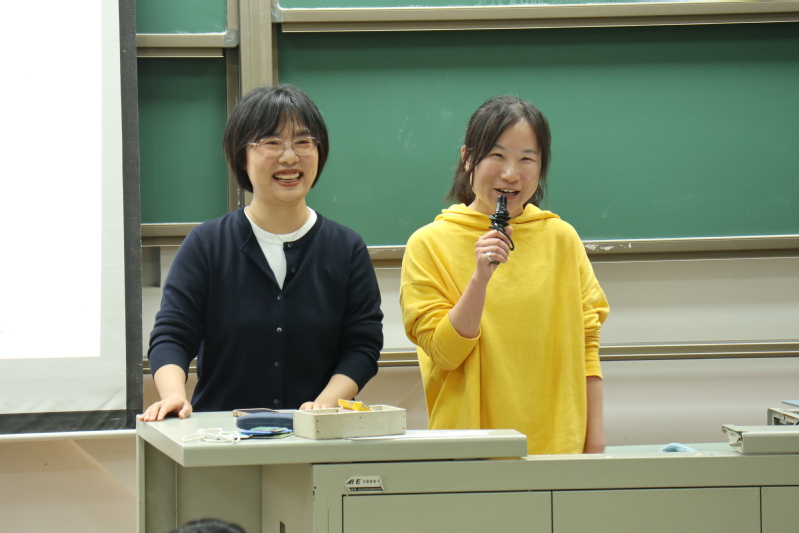
"This event represents a paradigm shift in international education," Dr. Zhang noted. "We are cultivating a new generation of global youth who are not just experiencing Chinese culture, but possess the intercultural competence to proactively translate and communicate 'China Chic' to the world."
Jenny, an Austrian student, was thrilled that China Chic has moved from the digital screen to her fingertips. "We always hear about, especially recently, on social media about China Chic, but today we’re getting our hands on these sachets and making them ourselves!" she said.
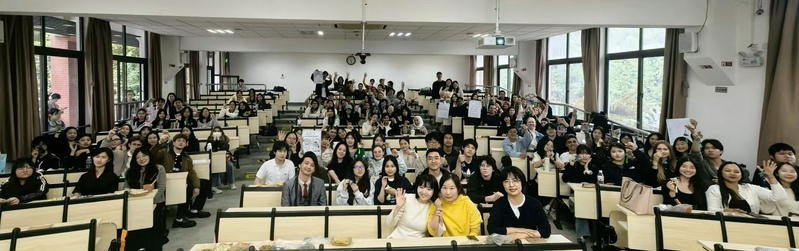
This event marks another innovative step in the "Living China" teaching practice series under the China Survey curriculum, following the previous "Unity in Diversity: A Journey to the Origins of Chinese Civilization" module. By integrating academic inquiry with real-world entrepreneurial pitching, this "Fudan Model" of cultural education empowers international students from diverse backgrounds to dive deep into Chinese heritage and engage in profound cross-cultural communication. Meanwhile, these initiatives showcase Fudan’s diverse, cutting-edge, and vibrant international campus ecosystem.
(END)
Writer: XU Huiting
Video: XU Huiting
Editor: WANG Mengqi, LI Yijie