
Is there a magical smart material that can perform macroscopic deformation and output force like human muscles with just a beam of light, without relying on motors or wiring?
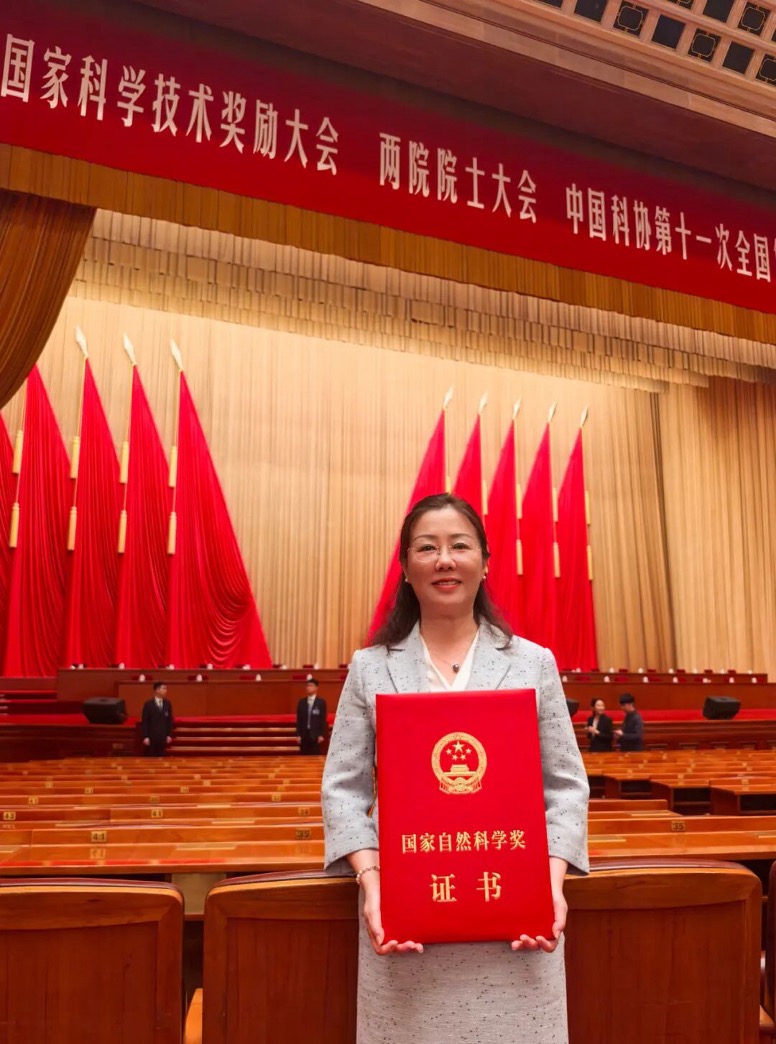
On July 8, the team led by Professor YU Yanlei from College of Smart Materials and Future Energy, Fudan University received the Second Prize of the 2025 National Natural Science Award for their project “Creation of Actuation-Targeted Photo-Controllable Liquid Crystal Polymers and Corresponding Regulation Mechanisms”.
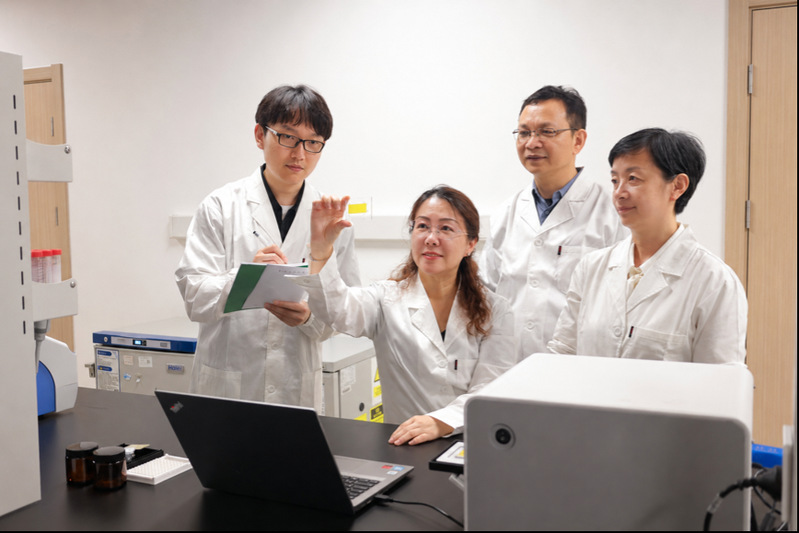
YU Yanlei (2nd from left) with her team
For more than two decades, the team has independently developed materials, designed chips, and built prototypes, breaking through multiple technical bottlenecks. Six key papers published in top journals, including Nature, earning international acclaim as “truly pioneering”.
A New Material That Gives Cold Machines “Bionic Muscles”
The majority of commercial rigid robots in recent years, burdened by motors and cables, struggle to operate in intricate or confined workspaces.
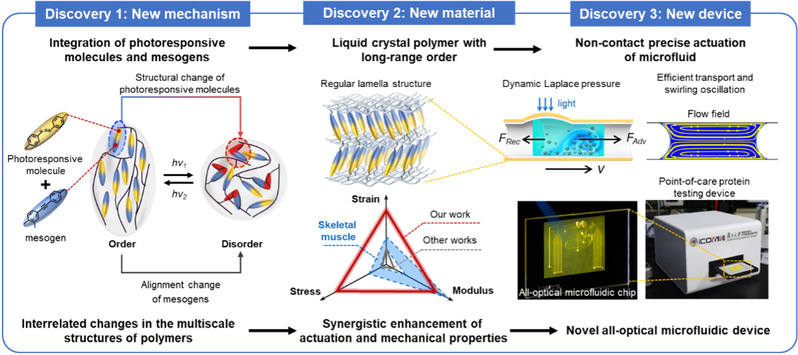
Yu’s team solved the problems by applying light-controlled actuation materials of liquid crystal polymers. In conventional photoresponsive polymers, randomly dispersed photoresponsive molecules act in isolation, leading to substantial energy dissipation and resulting in only marginal deformation under light irradiation.
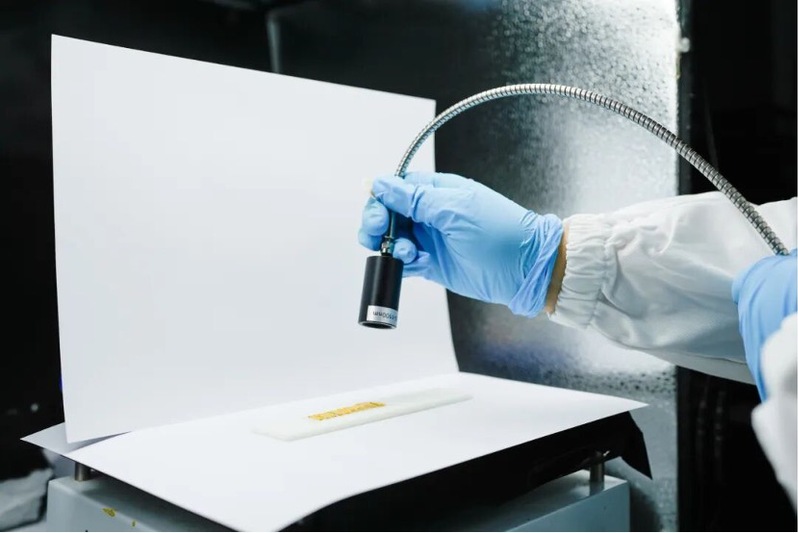
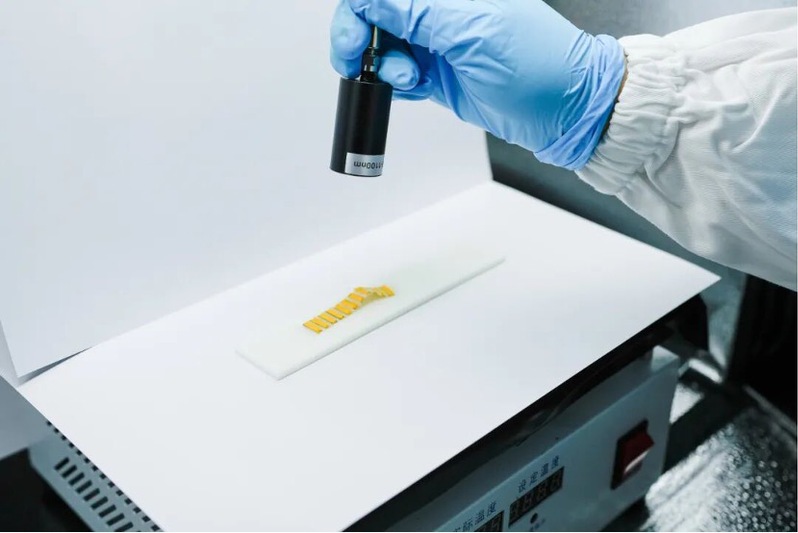 Light-controlled actuation materials of liquid crystal polymers
By introducing liquid crystals into polymer networks and optimizing molecular arrangement and backbone structures, they established an efficient “light → chemical → mechanical” energy conversion pathway, enabling a 100-fold enhancement in the actuation strain of the new material.
More importantly, the new material achieves the synergistic enhancement of actuation and mechanical properties, delivering an actuation performance surpassing that of skeletal muscle while exhibiting a toughness comparable to spider silk.
Fingertip Blood Collection for At-Home Health Testing in the future
In 2016, YU’s team published groundbreaking work on all-optical microfluidics based above-mentioned new materials in Nature. A decade later, they have turned innovation of materials and microfluidics into functional devices.
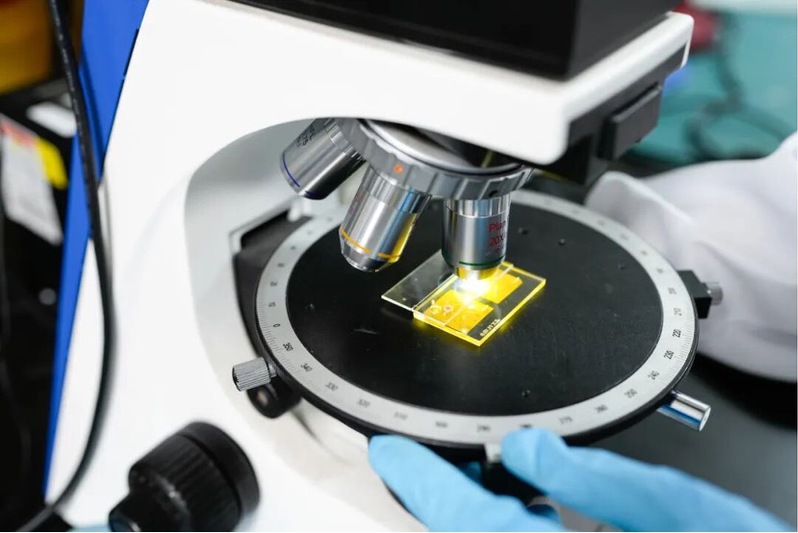
All-optical microfluidic chip
Their all‑optical microfluidic chip dispenses bulky external pumps and complex wiring. The light-triggered shape changes of channels drive the slug in the chip to transport, mix, separate, and oscillate. This all-optical microfluidic technology not only enables precise nanoliter-scale liquid transport but also enhances mixing efficiency by two orders of magnitude, effectively addressing the long-standing challenge of slow mass transfer and difficult manipulation of minute fluid volumes.
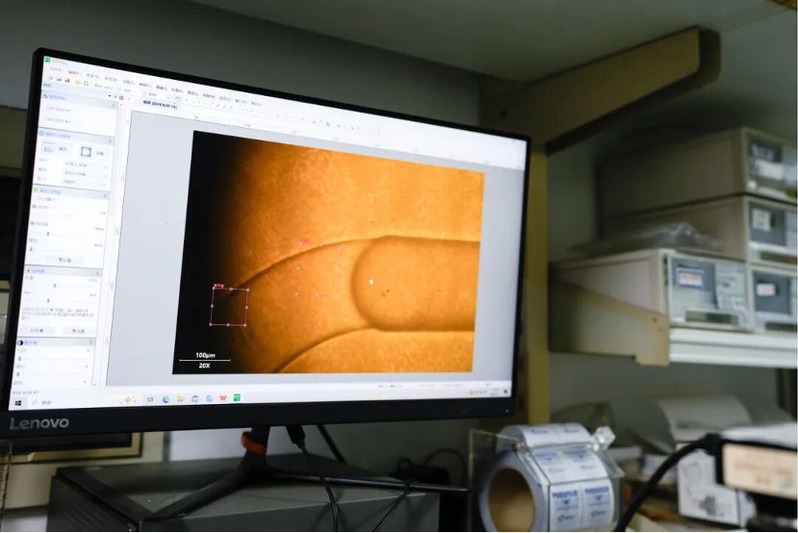
Internal microchannel of all-optical microfluidic chip under microscope observation
A few drops of fingertip blood suffice for rapid protein and nucleic acid testing, delivering results within minutes. The team is already collaborating with hospitals (including Zhongshan Hospital, Fudan University) and industrial partners like Dihong Biotechnology Co., Ltd. and Baotai Intelligent Technology Co., Ltd. to scale up production.
Looking ahead, they aim to build a universal microfluidic platform that would allow elderly people, children, and others to perform routine health screenings at home. Only abnormal results would require hospital visits.
Twenty Years: Turning an Obscure Material into a Popular Field
For decades, light-responsive liquid crystal polymers were notoriously refractory, offering marginal performance with no clear path toward practical utility. Yet, Yu contended that these ostensibly useless materials were merely awaiting the right impetus for their breakthrough.
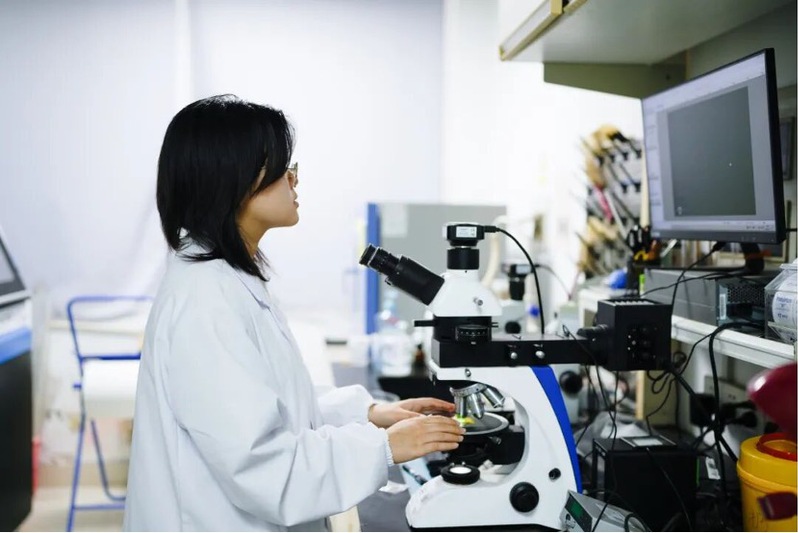
From achieving light‑controlled reversible bending in 2003, to cracking opto‑microfluidics in 2016, to winning a National Natural Science Award in 2026—Yu’s team has marched through more than twenty years of research.
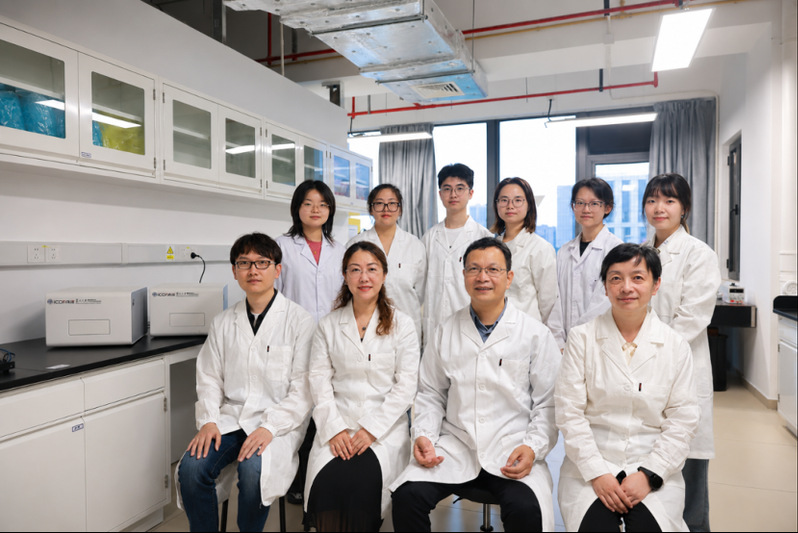 Group Photo
Research takes patience and teamwork. Yu keeps rallying the team: keep the faith, move fast in small steps, and never rush the process. The award is merely the prologue; the real work is still ahead.
(END)
Writer: HONG Kaiwei
Proofreader: YANG Xinrui