
Four years ago, Nicodemus D’silva (许茗睿) arrived at Fudan University with a Chinese proficiency that he would rate “four to five out of ten”—enough for basic daily conversation, but far from the level required to follow a university lecture, let alone read classical Chinese texts. He could barely write his own name.
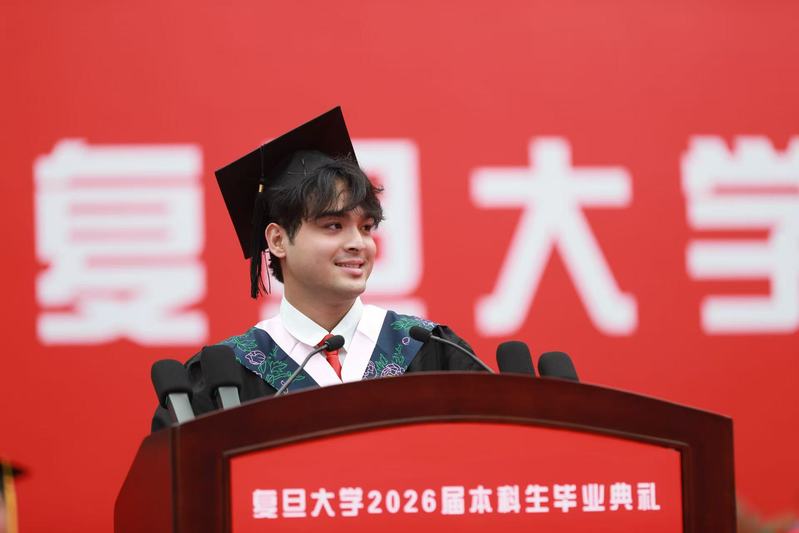
Now, he stands on the stage at Fudan’s 2026 Commencement as an undergraduate representative of the International Cultural Exchange School (ICES), delivering a speech to thousands in fluent Chinese—a moment that moved his sister to tears as she watched from the audience.
His journey embodies what Fudan offers to international students willing to embrace the challenge.
From Recitation to Reflection
Nicodemus’ background is uniquely layered. He is Malaysian, born prematurely in Shanghai to a Chinese mother and an Indian-Portuguese father. Raised in an Malay/English-speaking household in Malaysia, he grew up with minimal exposure to Mandarin. His earliest encounter with Chinese texts—memorizing the Disciples’ Rules (《弟子规》) in kindergarten—felt more like singing songs than understanding language.
Nicodemus first came to Shanghai at 13, attending the international students division of a local secondary school—an English-medium environment that offered little chance to practice Chinese. By the time he reached college, he knew exactly where he wanted to go. “Fudan was one of the top universities in China,” he says. “And if I wanted to stay in Shanghai after graduation, I had to get serious about my Chinese. So I chose Fudan’s International Cultural Exchange School (ICES).”
ICES offers programs tailored for students exactly like him. With over 70 years of experience teaching Chinese to foreign learners, the school had a curriculum that reflected its expertise. But even so, the challenge remained daunting.
“Ancient Chinese was like a completely different language from what Chinese people use now,” he says. And yet, he and his classmates from the rest of the world faced it together. They formed study groups, booking rooms in the North Canteen and reviewing together three to four days a week for one to two months before exams.
In his first year, he spent two to three hours reviewing after each class. The result? Writing, the skill he built from scratch, improved most dramatically. “Though I still write like a kid, it’s major progress from where I started,” he says with a laugh.
Perhaps the most telling marker of his transformation came through his undergraduate thesis. He wrote about the transmission of Confucian ethics, specifically the Disciples’ Rules, from China to Malaysia, examining why this text has remained so influential in Malaysian Chinese education. The thesis earned an A.
When asked during his defense how he views the Disciples’ Rules today, now decades removed from memorizing it like a nursery rhyme, he offered a thoughtful, balanced answer: “I think the Disciples’ Rules is not entirely suitable for today’s times. For example, the principle of filial piety first—that I still hold to. But is not about blind obedience; it’s about gratitude.”
Beyond the Classroom
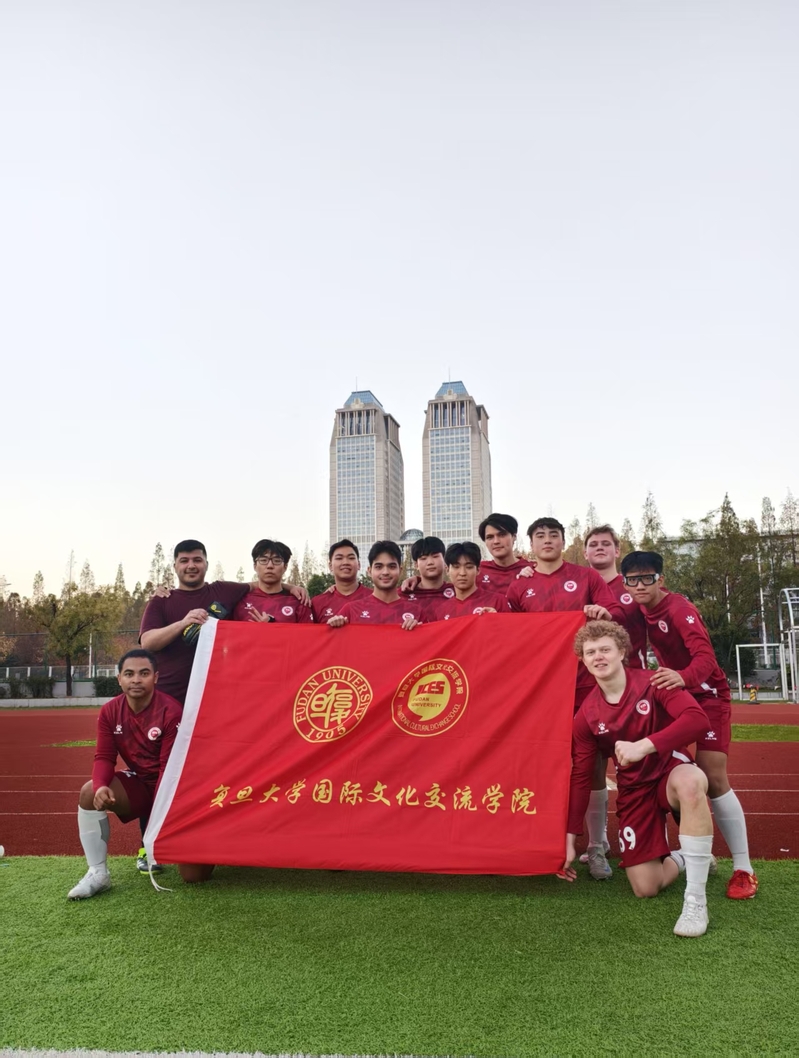
Nicodemus’ growth at Fudan extended well beyond academics. He served as Secretary of the ICES Student Union’s Secretariat, coordinating events like the “China in My Eyes” speech contest and Dragon Boat Festival celebrations. He also founded and captained Fudan’s first international student soccer team, which went on to place second in Fudan’s Inter-School Cup. His teammates came from all over the world—some spoke little Chinese, others little English. Communication happened through gestures, trust, and a shared love for the game.
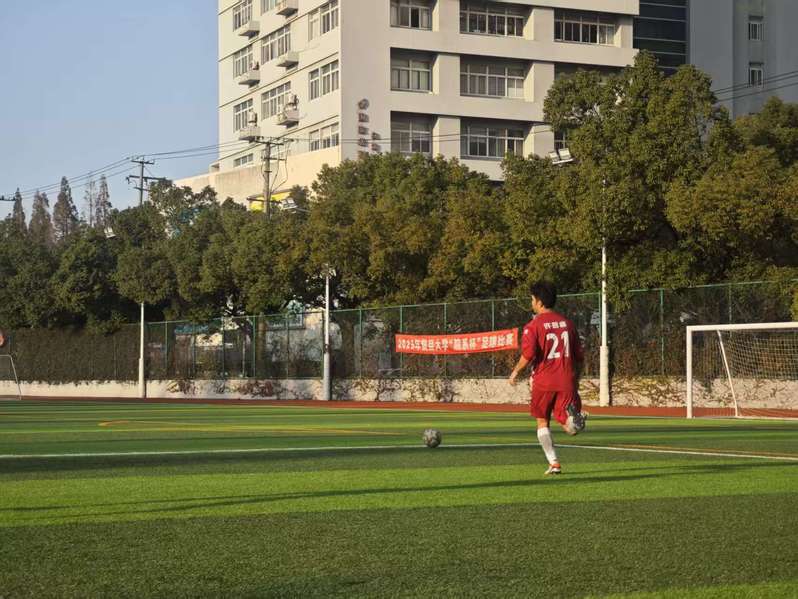
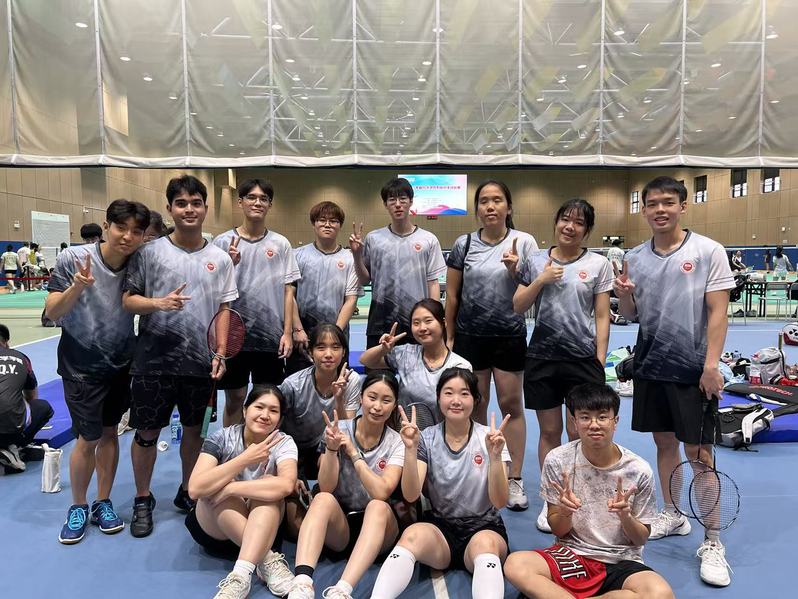
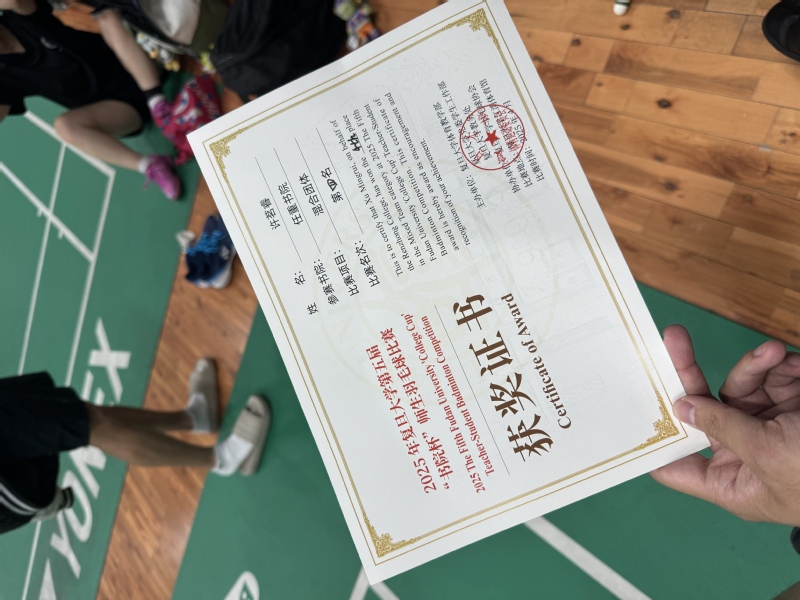
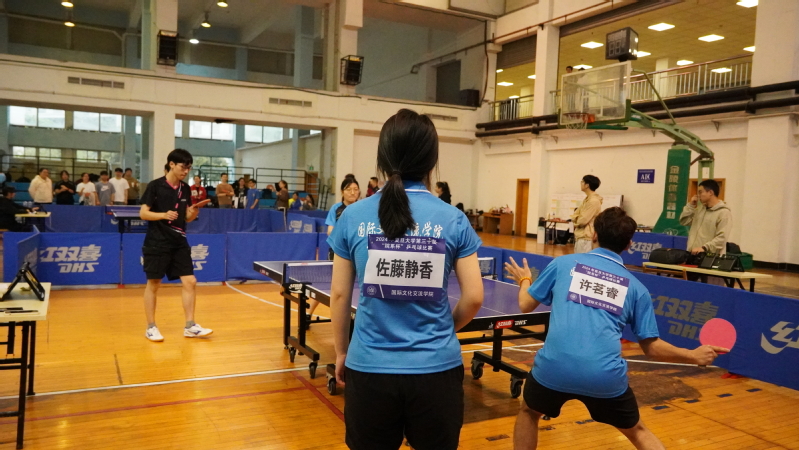
Sports also became his bridge to Chinese friends. He played badminton and table tennis, earning team medals in Fudan’s Shuyuan Cup (书院杯). For him, these activities taught a lesson deeper than teamwork: “If you don't know how to make friends with Chinese students, sports is a great way.”
After graduation, Nicodemus will remain in Shanghai to pursue a career in finance—a shift from his language studies, but one rooted in his four years at Fudan. “I found that I can’t stand a rigid 9-to-5 job; I need movement, communication, and challenge. Finance offers that,” he explains. “I studied Chinese to understand China, and I chose Marketing and Economic Ethics as cross-disciplinary electives to broaden my perspective.” With multiple internships under his belt, he offers this advice to fellow international students hoping to work in China: “Learn Chinese seriously. Be confident in interviews. Show what you can do—and be honest about what you can't. Make it feel like a conversation, not an interrogation.”
He recommends China as a study destination for international students. “China offers world-class education at a much more affordable cost than Australia, the UK, or the US,” he notes.
As Nicodemus leaves Fudan, he carries more than a degree. He carries a transformed identity—from a student who couldn’t write his own name in Chinese to one who addressed thousands in the language he once struggled to learn. From an English-speaking Malaysian with Chinese heritage to a global citizen ready to bridge cultures in Shanghai’s financial sector.
(END)
Writer: LI Yijie
Editor: WANG Mengqi